

Creating one impressive clip is very different from creating a believable sequence.
When several AI-generated shots are placed together, small inconsistencies become easier to notice. A character’s face may change slightly. Clothing details can shift. A room may suddenly gain another window, or an object may appear in a different position.
This is why the next major advance in AI video may not simply be better resolution or greater realism. It may be the ability to keep people, places, objects, and visual styles consistent from one scene to the next.
The problem appears when one shot becomes a sequence
A short standalone clip gives an AI model relatively little to keep track of. Longer storytelling demands much more.
Characters Need to Remain Recognisable
Imagine a character entering a café, sitting down, ordering a drink, and then walking outside. To a viewer, this is one person moving naturally through several scenes.
For a generative system, every camera angle creates another opportunity for details to drift. Facial structure, hairstyle, clothing, height, and other identifying features need to remain stable even when lighting, expressions, and camera distance change.
Objects and environments face similar challenges. A red bicycle should not suddenly become blue. Furniture should remain in roughly the same position. A phone, bag, vehicle, or other recurring object should retain the features that make it recognisable.
Consistency Is Really a Question of Creative Memory
Consistency does not mean keeping every frame identical.
A useful AI video system needs something closer to creative memory: the ability to preserve important information about a visual world while still allowing that world to change naturally.
Across a sequence, the model may need to remember:
- Who are the characters, and how they look like?
- Which objects are important?
- How is a location arranged?
- What visual style has already been established?
At the same time, characters still need to move, turn, smile, interact with objects, and appear under different lighting conditions.
That creates a difficult balance. The system must understand which details should remain stable and which ones are expected to change.
Reference-Based Creation Is Changing the Workflow
Traditional text prompting places a heavy burden on description. A creator may need to repeatedly explain a character’s appearance, clothing, environment, composition, and style while hoping each generation interprets those details consistently.
Reference-driven workflows offer another approach.
Instead of describing the same character again and again, creators can provide images, videos, or other visual material that establishes how that character, object, or location should appear.
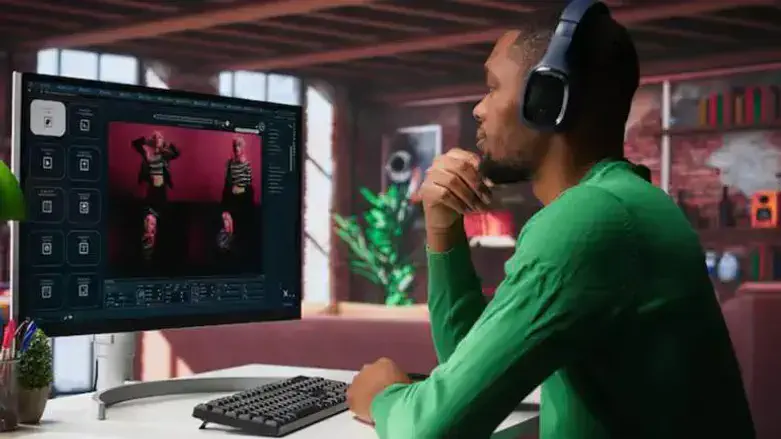
The Seedance 2.5 AI video creation tool fits within this broader move toward reference-based creation, where visual inputs can help guide continuity, editing, and scene development instead of relying only on isolated text prompts.
The important shift is that creators are gaining more ways to communicate intent.
A reference image can establish appearance. Existing footage can demonstrate movement or framing. Multiple visual inputs can give the system context that would be difficult to express through words alone.
The Harder Challenge Is Consistency Without Rigidity
Perfect similarity would not necessarily create a convincing video.
Real scenes naturally change. Faces look different from different angles. Clothing moves with the body. Colours shift under new lighting. Objects may be partially hidden and then reappear.
A stronger generative system must therefore preserve identity without simply copying the same visual information.
Consider a person walking from bright sunlight into a dim restaurant. Their face should respond naturally to the new lighting while still remaining recognisably the same person.
Style works in a similar way. A cinematic sequence may need to preserve its colour palette, atmosphere, and visual tone without making every shot look identical.
The goal is coherence rather than repetition.
Why Creative Consistency Matters Beyond Filmmaking
Better continuity could make AI video more useful across many forms of digital communication.
A company creating product demonstrations needs the same product to remain recognisable across several scenes. Publishers producing explanatory visuals may need recurring characters or locations. Educational creators may want the same illustrated figure to appear throughout an entire lesson.
Independent creators also benefit from greater consistency. If every new shot requires extensive correction to match previous scenes, much of the time saved through AI generation can disappear.
Reliable continuity allows creators to focus more on storytelling, pacing, editing, and presentation.
Longer AI Video Makes Small Errors Harder to Hide
Short AI-generated clips can sometimes hide small continuity errors simply because they end quickly.
Longer sequences are less forgiving.
Every additional scene introduces more relationships that need to remain logical. A character should still wear the same clothing. A building should keep the same layout. Weather, lighting, and objects should change only when the story gives them a reason to change.
As AI-generated videos become longer, audiences are likely to pay more attention to whether the whole sequence holds together rather than judging individual clips in isolation.
The Next Competition May Be About Control
AI video systems have often attracted attention through realism, dramatic transformations, and visually striking demonstrations.
But practical creative work depends on something quieter: reliability.
Creators need characters that remain recognisable, scenes that can be edited without unexpected changes, and references that continue to matter throughout a project.
That is why creative consistency may become one of the most important measures of progress.
When AI Video Starts Remembering Its Own World
Visual quality helped AI video capture attention. Consistency could help it become a more dependable storytelling medium.
Generating one remarkable moving image is impressive. Creating a sequence where characters, objects, locations, and styles remain coherent requires a deeper level of control.
When AI systems can preserve those details reliably, creators will spend less time correcting visual mismatches and more time shaping stories.
That may be the moment when AI video moves beyond generating impressive clips and begins sustaining complete visual ideas from one scene to the next.