

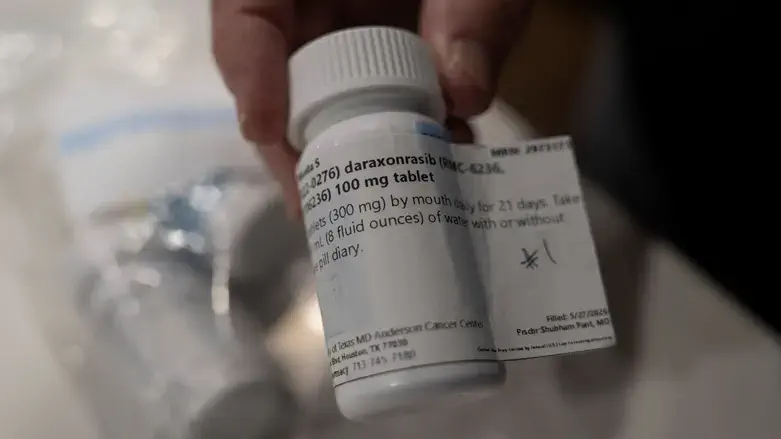
The US Food and Drug Administration (FDA) on Wednesday approved Revolution Medicines’ new pancreatic cancer treatment Rasonque (daraxonrasib), following clinical trial results showing that the drug doubled survival among patients with advanced disease, reported CNN.
The once-daily pill is authorized for people with metastatic pancreatic cancer who have previously undergone treatment or are unable to receive combination chemotherapy. Rasonque works by blocking multiple forms of the RAS protein, which plays a role in driving tumor growth in many pancreatic cancers.
Revolution Medicines said Rasonque is now available in the United States at a list price of $39,800 for a 30-day supply. Patients with eligible commercial insurance could pay as little as $0 through the company's co-pay assistance program.
Interest in the treatment surged after Revolution released trial results in April. The FDA subsequently allowed some patients to receive Rasonque through its compassionate use program, which provides access to experimental therapies for people with serious or life-threatening conditions before regulatory approval and outside clinical trials.
Among those who received early access was Barbara Andes, 88, of Fullerton, California. After a year of chemotherapy, she began taking Rasonque in July and said the pill enabled her to return to regular activities while causing considerably less nausea and fatigue. She said FDA approval would make the treatment available to many more patients.
Rasonque was also among the first drugs accepted into the FDA's expedited review program introduced last year. The initiative is intended to reduce the review period for treatments addressing major US health priorities and significant unmet medical needs to as little as one to two months, compared with the typical 10 to 12 months.
Investors had already driven Revolution Medicines' stock 166% higher this year amid expectations that Rasonque could become an important new treatment for pancreatic cancer. Following the approval, which had been widely anticipated, shares were relatively unchanged at $211.70.
Analysts estimate that the drug could eventually generate $11.5 billion in annual sales. The American Cancer Society estimates that approximately 67,350 people will be diagnosed with pancreatic cancer in the United States this year.