

An initiative to establish a joint industrial zone for the Bedouin community of Bir Hadaj and the Ramat Negev Regional Council has sparked controversy in recent days, while also receiving an unusual endorsement from Mossad Director Roman Gofman.
The plan calls for an industrial zone covering approximately 200,000 square meters. Although the proposal has existed for years, it has never been implemented. After the Negev Desert Regional Council, which has jurisdiction over Bir Hadaj, struggled to advance the project, council head Salama Abu Edissen sought cooperation with Ramat Negev to move the initiative forward.
The proposal has not received unanimous support. During a meeting of the full Ramat Negev Council, several members expressed reservations about the cooperation, citing longstanding concerns over crime, weapons and drug smuggling in the area.
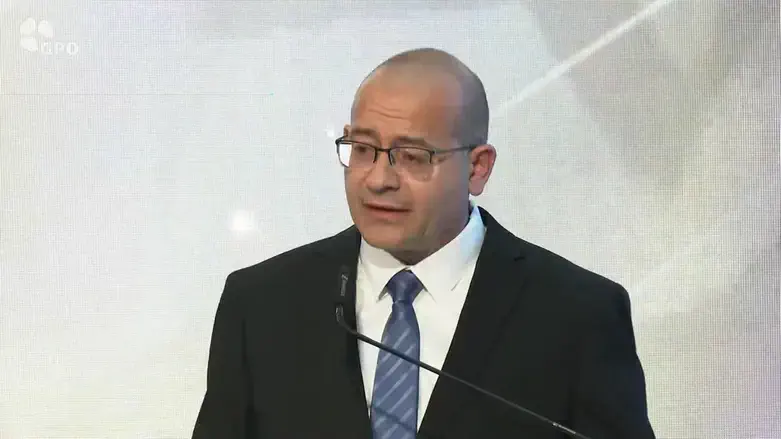
Against the backdrop of the debate, Ramat Negev Council head Eran Doron presented a letter of support from Mossad Director Roman Gofman, who said he was familiar with the area from his military service as commander of the National Ground Forces Training Center.
"The initiative brought to my attention is the right, brave move with strategic value of the highest order," Gofman wrote. He said that promoting economic and employment opportunities could strengthen the state’s presence in the area, reduce social tensions and limit the influence of criminal elements.
Gofman acknowledged the challenges and risks involved, stressing that the plan should be implemented gradually and responsibly, with monitoring and enforcement mechanisms in place. "The population in the area is for the most part law-abiding, seeking employment and a future for its children. Expanding employment opportunities will reduce the scope of action of criminal elements and strengthen the partnership with the state," he wrote.
Itzik Tzur, CEO of Ramat Negev’s economic development company, also addressed the concerns raised during the meeting. While acknowledging the area’s known criminal activity, he said it was important to recognize that thousands of law-abiding residents live in Bir Hadaj and need employment. "The project is meant for them," he said.
Opposition was also voiced during the discussion. Council member Avi Friza argued that the cooperation could send the wrong message given the enforcement and crime problems in the area. Doron responded that criminals must be distinguished from the broader population, arguing that strengthening law-abiding residents serves both security and civic interests.
Supporters of the initiative also cited the Idan HaNegev industrial zone, jointly operated by Rahat, Lehavim and the Bnei Shimon Regional Council, as a potential model for regional cooperation, despite the challenges it has faced over the years.
The proposal was ultimately approved by a majority of nine council members, with three voting against it.
Neve Midbar Regional Council head Salama Abu Edissen welcomed the decision, saying, "When there is economic security, there is also more personal security. People who get pulled into crime often do so due to a lack of prospects. Creating jobs can change the face of the entire settlement and strengthen the entire region."