

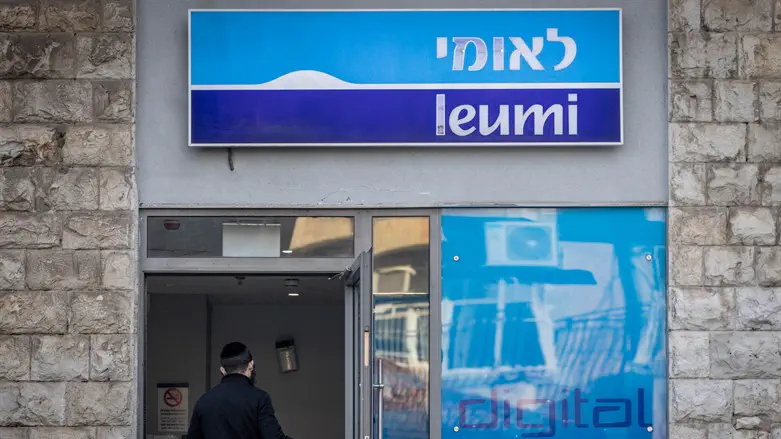
Bank Leumi filed a 26.6 million NIS lawsuit in the Tel Aviv District Court against Meta, claiming the Facebook, Instagram, and WhatsApp parent company allows the publication of fraudulent advertisements impersonating the bank and even profits from them.
According to the claim, social media users were exposed to credible-looking ads that offered benefits such as gift cards, cars, and gifts, using the Bank Leumi name, logo, and branding. Whoever clicked the link in the ad was taken to fake websites resembling the bank's official site, where they were asked to enter login details and verification codes. According to the bank, the details helped scammers infiltrate accounts and steal money.
Bank Leumi claims that it was easy to identify the scam, among other things, because of suspicious website addresses, spelling mistakes, inarticulate wording, anonymous advertising accounts, and even the use of deepfake technology. "You don't need special detective work to identify the suspicious signs," the claim states. It further claimed that Meta "knowingly cooperated in defrauding bank customers out of considerations of greed."
According to the lawsuit, the bank has already reimbursed affected customers millions of shekels, invested substantial resources in detecting and blocking the scams, and suffered reputational damage. In July alone, it says it identified 243 fraudulent campaigns on Meta’s platforms, more than the total number recorded during the first half of the year.
In addition to financial compensation, Bank Leumi is asking the court to require Meta to tighten its advertiser identity-verification procedures, label advertisements originating from unverified accounts, and allow the bank to review in advance campaigns that use its name and symbols.
Meta has yet to file its response to the lawsuit.