

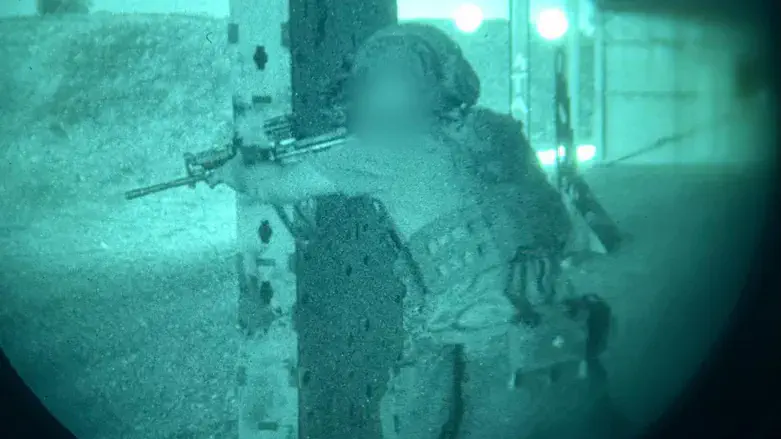
The Marom Brigade Fire Array, the body responsible for the IDF's weaponry, has recently renewed the operational shooting instructor course for special units. The month-long program resumed after a long hiatus due to the war.
The training, which is designed for reconnaissance units and commando battalions, is returning in an expanded, more professional format and includes implementing lessons learned from battles on the various fronts. For the first time, cadets in the course will learn to use specialized weapons and ammunition against the drone threat, along with the examination and adoption of machine guns, lasers, and advanced scopes. The main goal is to grant units full independence in training sharpshooters and machine gunners and to ensure peak competence and lethality when facing the enemy.
Fire Array commander Lieutenant Colonel S. explains that the array is responsible for the entire weaponry value chain, from the analysis stage to integration in the field. He says that the course is a critical force multiplier. "The cadets, after they are trained and return to their units, become our representatives. It constitutes a basis for continuous development. When more new weapons are introduced, I don't need to stop the IDF; rather, I bring those people, teach them what's new, and they return to the unit and teach all the soldiers. That's how we optimize the transfer of information and training."
Lt. Col. S. also discussed how the IDF is contending with the new threats on the battlefield. "The solution to the drones is a significant x-factor. It's not that we just started to look for solutions; there was a solution, and it was ordered; we just moved up the delivery. That is the greatness of the array: the ability to understand what's happening now, but also what will happen later. Through operational learning and studying the enemy, we succeed in understanding its capabilities and what it's planning to do, and finding a solution to gain the upper hand. The adoption took time, but we are in a totally different place than we were two months ago regarding the drone threat.
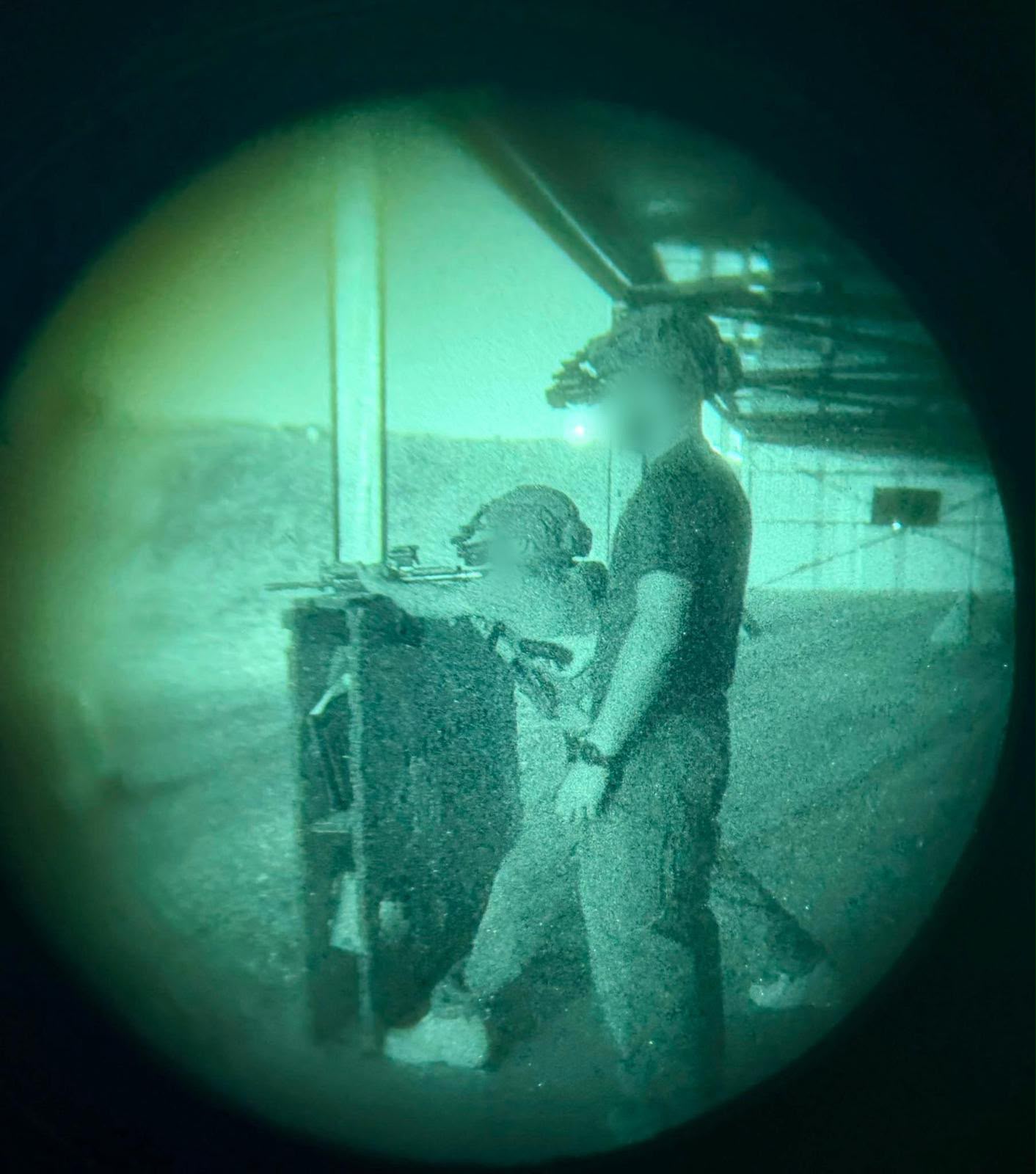
The array's chief instructor, Major A., also emphasizes the importance of training to implement lessons learned on the ground. Maj. A. notes that one of the significant upgrades to the current course is the instructors' identity. "Two/three years ago, it was taught in a certain manner; and today, it's done by the best instructors in the IDF, each one in their own field. All the instructors took the course, returned to combat in recent years, and after gaining experience, have returned to teach the course."
Regarding the solution needed to contend with the changing threats, Maj. A. adds: "The drone threat caught the military with the need to come up with a very quick response. We had people who were really connected to the field, we examined a variety of options for solutions, and the additional factor is that we are integrating it in the field."
As part of the IDF's policy to return to a training routine and establish the competence of the forces, the Fire Array is already planning to expand the course in the future to regular battalions, various branches, and reserve units.