

An i24NEWS and Direct Polls survey published Thursday evening examined the impact of recent events on Israel's electoral map.
If elections were held today, the Likud would remain the largest party, although it would lose one seat and stand at 28 mandates. It is followed by Gadi Eisenkot's party, which gains two seats to reach 23.
Yair Golan's Democrats party remains unchanged with 10 seats, while United Torah Judaism gains one seat to reach 9. Yisrael Beiteinu also remains at 9 seats. Otzma Yehudit holds steady with 8 seats, Shas drops one seat to 8, and the Joint List gains one seat to reach 8.
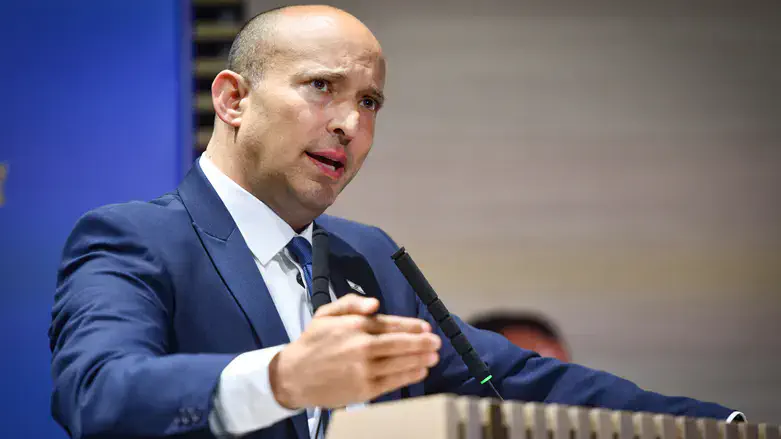
Naftali Bennett's Together party loses two seats and falls to 7, while the Religious Zionist Party and Ra'am both maintain their support with 5 seats each.
The following parties fail to cross the electoral threshold: the Zionist Home party led by Yoaz Hendel and Chili Tropper, the new party headed by Gilad Erdan and Yuli Edelstein, the Zehut party led by Moshe Feiglin, Blue and White led by Benny Gantz, the Economic Party led by Yaron Zelekha, and Noam for Israel led by Avi Maoz.
In terms of the political blocs, the coalition would receive 58 seats-three short of the 61 needed to form a government. The opposition would hold 49 seats, while the Arab parties would collectively win 13 seats.