
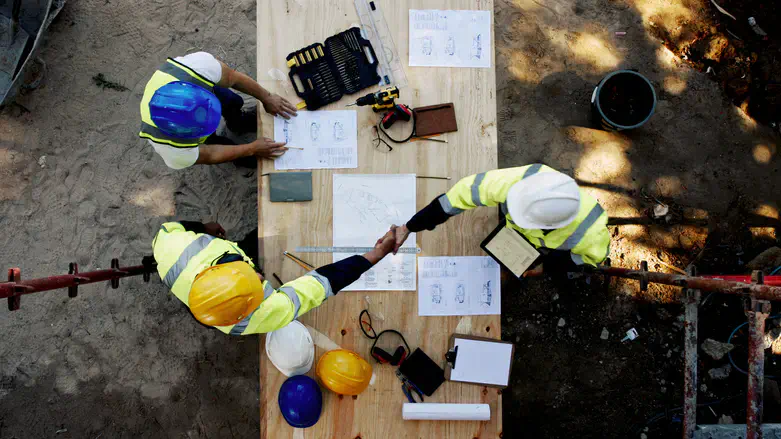
The latest figures from the Health and Safety Executive (HSE) show that 35 construction workers were fatally injured in Great Britain during 2024/25, with construction continuing to be one of the highest-risk industries for workplace fatalities. Falls from height remain the leading cause of deaths on construction sites. (GovDelivery)
As construction methods continue to evolve, so do the regulations designed to protect workers. Understanding the latest requirements helps employers stay compliant while reducing the risk of accidents and injuries.
Who regulates construction safety?
The main regulator for construction health and safety in Great Britain is the Health and Safety Executive (HSE). It enforces the Health and Safety at Work etc. Act 1974, alongside the Construction (Design and Management) Regulations 2015, often known as the CDM Regulations.
The CDM Regulations apply to projects of every size, from home extensions to major commercial developments. They place legal duties on clients, designers, contractors, and workers to plan work safely, manage risks, and provide suitable welfare facilities.
Employment requirements
Construction workers must receive suitable training before carrying out many tasks. Employers are responsible for ensuring workers understand site hazards and know how to use equipment safely.
Workers should also receive site inductions, emergency procedures, and ongoing safety training throughout their employment. Good communication is especially important on larger sites where several contractors may be working together.
Many employers also expect workers to hold recognised skills cards, such as CSCS cards, although these are industry requirements rather than legal requirements in every situation.
What is construction employment like in Israel?
Israel has a large and growing construction industry, supported by major demand for new homes, infrastructure projects, and urban development. In May 2025, around 231,700 people were employed in Israel’s construction industry, showing the size and importance of the sector.
Israel has increased the recruitment of foreign construction workers. In 2026, foreign workers make up a significant part of the construction workforce, with more than 50,000 foreign workers employed in construction-related roles according to OECD reporting.
Workers are expected to wear appropriate protective clothing, receive training, and follow strict site procedures. Falls from height remain one of the biggest risks on Israeli construction sites, leading to continued efforts to improve safety standards and increase inspections.
While employment laws and regulations differ from those in the UK, both countries place strong importance on reducing workplace accidents and improving worker welfare.
Protective clothing and PPE
Construction workers must wear suitable personal protective equipment (PPE) whenever risks cannot be removed by other safety measures.
Depending on the job, this may include hard hats, high-visibility clothing, safety boots, gloves, eye protection, respiratory equipment, and fire safety workwear. Workers exposed to loud machinery may also require hearing protection.
Since changes introduced in 2022, employers must provide suitable PPE not only for employees but also for many other workers covered by health and safety legislation. Employers are not allowed to charge workers for essential protective equipment.
PPE should be inspected regularly and replaced if it becomes damaged or no longer offers adequate protection.
Noise at work
Noise is a common hazard on construction sites. Equipment such as drills, breakers, grinders and heavy machinery can expose workers to damaging noise levels.
The Control of Noise at Work Regulations require employers to assess noise risks and reduce exposure wherever possible. If noise cannot be reduced sufficiently, suitable hearing protection must be provided and workers should receive training on how to use it correctly.
Protecting workers' hearing is essential because hearing loss caused by excessive workplace noise is permanent but largely preventable.
Working hours and worker wellbeing
There is no single legal limit that applies only to construction workers, but most workers are covered by the Working Time Regulations. For VZ Builders, a team of house builders in Radlett, these generally limit the average working week to 48 hours, unless a worker chooses to opt out.
Employers should also provide appropriate rest breaks and ensure workers are not becoming dangerously tired. Fatigue increases the risk of mistakes, particularly when working at height, operating machinery or driving site vehicles.
Supporting worker wellbeing has become an increasingly important part of modern construction safety. Many companies now offer mental health support, welfare facilities and programmes that encourage workers to speak up about concerns before they become serious problems.
Managing site risks
Construction sites must be carefully planned to reduce hazards before work begins. Risk assessments help identify potential dangers, allowing employers to put suitable control measures in place.
Common risks include working at height, moving vehicles, electrical equipment, excavations, manual handling and exposure to dust or hazardous substances.
Regular inspections, good housekeeping and clear communication all help prevent accidents. Workers also have a responsibility to follow safety procedures and report hazards as soon as they are identified.
Keeping up with changing regulations
Construction regulations continue to develop as new technologies, materials and working practices emerge. Employers should regularly review their health and safety policies to ensure they remain compliant with current legislation.
Training should also be updated whenever regulations change or new equipment is introduced. Investing in safety not only protects workers but can also improve productivity and reduce costly delays caused by accidents.
Final thoughts
Construction safety depends on more than simply wearing a hard hat. It requires proper planning, suitable training, effective supervision and the correct protective equipment. Regulations covering employment, PPE, noise, working hours and risk management all work together to create safer construction sites.
Whether working in the UK or in countries such as Israel, construction workers benefit from strong safety practices and employers who take their legal responsibilities seriously.
By keeping up to date with the latest regulatory requirements, businesses can protect their workforce, remain compliant and help create a safer construction industry for everyone.