

US intelligence officials are examining whether Russia may have assisted Iran in recent drone attacks on CIA facilities in the Gulf by supplying targeting information or advanced drone technology, Reuters reported, citing four people familiar with the matter.
The sources, who spoke anonymously due to the sensitivity of the issue, stressed that investigators have not reached any definitive conclusions. However, they said analysts are reviewing the precision of the strikes and Russia's longstanding technical cooperation with Iran as possible indicators of Moscow's involvement, Reuters reported.
According to the report, at least two CIA facilities were struck in March, including the agency's station at the US Embassy in Riyadh, Saudi Arabia, and another site in eastern Iraq. Some of the sources said additional CIA locations were also targeted, but did not provide further details.
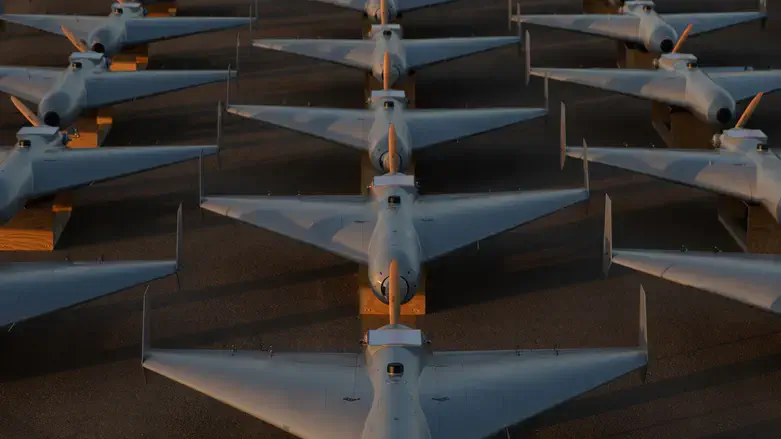
A Western intelligence assessment, described by an official with access to the document, reportedly concluded that Russia likely played a role in helping identify CIA facilities for attack. Two Western officials briefed on intelligence reports said analysts believe the strike in Riyadh involved two Russian-enhanced versions of Iran's Shahed drones. According to those officials, one drone breached a vulnerable section of the embassy's exterior, allowing a second drone to enter through the opening before detonating. No casualties were reported.
US officials are also investigating whether Russian targeting data was used in the embassy attack. Some intelligence sources cautioned that Iran may have intended to strike the embassy itself and hit the CIA station by chance.
The report said Russia has long supported Iran's drone program and may have helped improve the accuracy of Shahed-136 drones by providing the Kometa-M satellite navigation system, which experts consider more precise and more resistant to jamming than Iran's existing technology.
The White House referred requests for comment to the CIA, which declined to comment. Iran's mission to the UN, the Russian Defense Ministry, and the Saudi government did not respond to requests for comment.
Former CIA station chief Daniel Hoffman told Reuters that cooperation between Moscow and Tehran on targeting CIA facilities would be consistent with their strategic partnership.
"They share an interest in trying to reduce or eliminate US influence altogether in their self-designated spheres of influence," Hoffman said.