

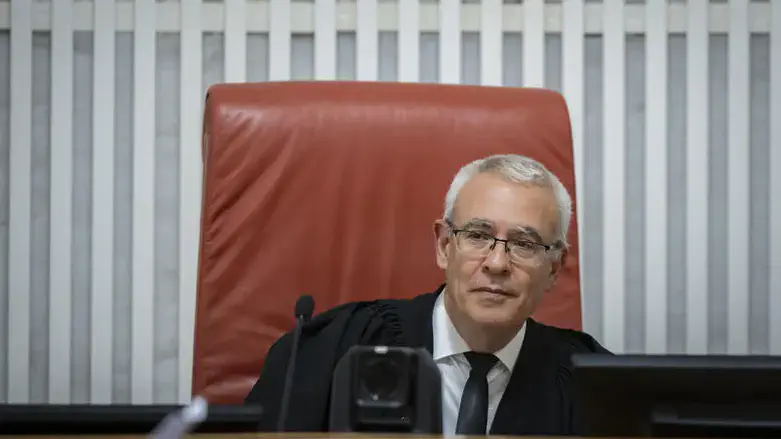
The High Court of Justice issued a temporary injunction against sections of the new Communications Law that are effective immediately from the date of publication, freezing their entry into force at this stage. Judge Ofer Grosskopf determined in his decision that there is a real concern that if the sections enter into force, "it will be difficult to turn the wheel back." However, the judge rejected the request for a temporary injunction that applies to the law as a whole.
The freeze on the immediate provisions will remain in effect until a decision is made on the requests for an interim injunction, with the respondents required to submit their response on the matter by July 26. The background to the decision is petitions that were filed alleging defects in the legislative process and in some of the arrangements stipulated in the law.
The law, which was passed on Thursday, provides for the establishment of the Broadcast Communications Authority, an independent statutory body that will consolidate and replace the existing broadcasting regulators. Under the proposal, the authority will operate with an annual budget of NIS 25 million, which will be deducted from the budget of the Israeli Public Broadcasting Corporation.
The law also establishes the Broadcast Communications Council, which will set the authority's policy. The council will consist of nine members and will be required to ensure gender and ethnic representation. A search committee, headed by the Director General of the Ministry of Communications, will be responsible for selecting candidates for the council.
Until additional legislation is enacted, the council will operate without direct enforcement powers over content providers, while the Second Authority for Television and Radio will continue exercising its regulatory powers over existing license holders and radio broadcasters.