

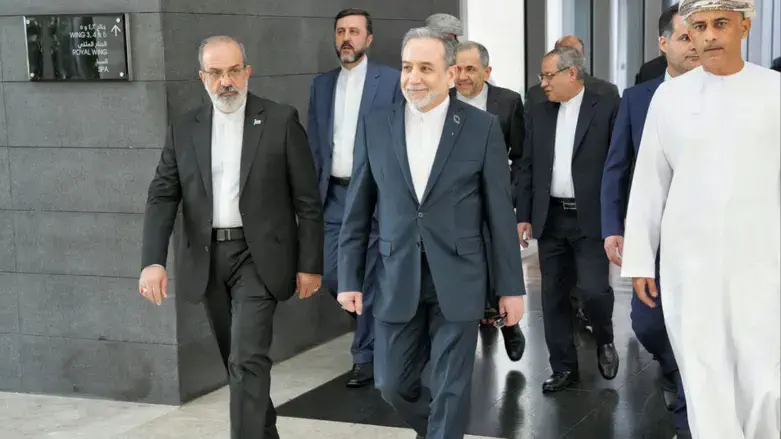
US officials believed Israel may have been preparing to target two senior Iranian negotiators while Washington was engaged in sensitive talks with Tehran this spring.
According to the New York Times, American officials became increasingly concerned that Iranian Foreign Minister Abbas Araghchi and Parliament Speaker Mohammad Bagher Ghalibaf could be targeted during ceasefire negotiations that began in April. US officials reportedly feared such an action would derail the diplomatic process.
The report said the United States asked other countries in the region to warn Iran about the possibility that the two officials could be targeted.
According to the report, US officials viewed Araghchi and Ghalibaf as legitimate military targets during the height of the conflict, but believed that once negotiations were underway, any attempt to kill them could end the talks and renew the fighting.
Israel's strategy early in the war focused on eliminating senior Iranian leaders, while US military operations concentrated on Iran's naval and missile capabilities.
Israeli strikes killed Ali Larijani, Iran's top national security official, and former Foreign Minister Kamal Kharazi, both of whom were participating in negotiations with the United States.
Differences between Washington and Jerusalem widened after the initial phase of the conflict, with the Trump administration pursuing a diplomatic agreement while Israeli officials remained skeptical of ending hostilities before achieving broader war objectives.
The Wall Street Journal previously reported Israel had placed Araghchi and Ghalibaf on a target list before temporarily removing them as negotiations with Iran were being considered. A US official and a Middle East official were cited as saying that the Trump administration learned that at least Ghalibaf had been included on the list and asked Israel not to proceed.
According to the report, Iranian officials took additional security precautions during the negotiations. Before Ghalibaf traveled to Islamabad for talks, Iran reportedly sought assurances through Pakistani and Qatari intermediaries that Israel would not target the delegation.
Pakistani fighter jets escorted the Iranian delegation's aircraft during the visit. On the return flight, Iranian security officials warned of what they believed was a possible Israeli threat, prompting the plane carrying Ghalibaf to make an emergency landing in Mashhad before the delegation continued its journey to Tehran by land.
Araghchi and Ghalibaf later traveled to Qatar and Switzerland for additional meetings with US officials despite the reported security concerns.