

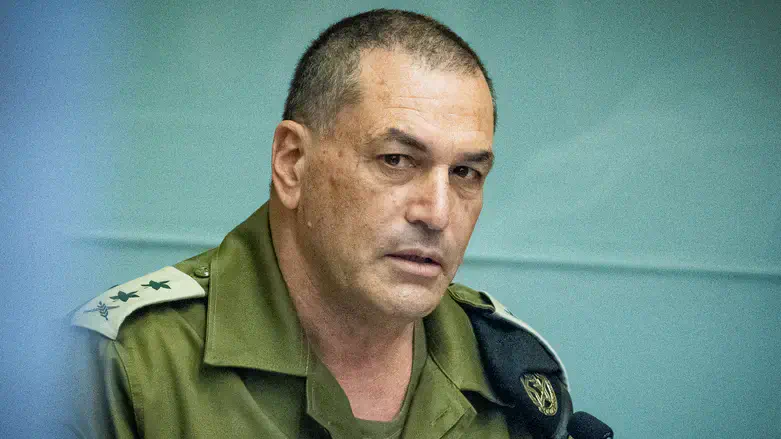
IDF Chief of Staff LTG Eyal Zamir opened Thursday's General Staff situational assessment by marking 1,000 days since the outbreak of the war, calling it "the longest war in our history" and emphasizing the need for continued readiness across all operational theaters.
"Today marks 1,000 days since the outbreak of the longest war in our history," Zamir said. "It is a war that began with a grave failure and the worst tragedy in the history of the State of Israel. From that tragedy, we rose, recovered, and conducted a war that achieved unprecedented accomplishments in the history of the nation."
Referring to the state ceremony marking 20 years since the Second Lebanon War, which he attended yesterday, Zamir said that while such anniversaries are symbolic milestones, "they are highly significant for remembrance, learning, and drawing lessons."
The Chief of Staff stressed that Iran remains at the center of the military's preparations.
"Iran continues to be the primary focus of our preparedness," he stated.
Zamir said the IDF is currently in "an interim period across all theaters of operation," noting that "all arenas remain active at varying levels of intensity, and each is undergoing defining developments. The arenas are interconnected, and any action in one may affect the others."
He instructed commanders to maintain a high level of readiness, saying, "In every sector, we must remain vigilant and prepared for rapid escalation and for an immediate return to combat in order to deepen our achievements and secure victory."
At the same time, Zamir said the current period should be used to address the strain on personnel while maintaining operational effectiveness.
"Alongside maintaining our vigilance and continuing to thwart threats, we must take advantage of the coming period to reduce operational fatigue, care for our personnel, and improve operational readiness," he said.
Highlighting the contribution of IDF personnel throughout the war, Zamir said the achievements of the multi-front war were made possible through "the determination and sacrifice of the defenders of the nation," including combat soldiers on the front lines and the IDF's support units.
He concluded by calling the IDF's soldiers and commanders "the State of Israel's most important resource."
"It is fitting and proper that they be first in the order of priorities to receive the nation's appreciation through its decisions and allocation of resources, by caring for them, their families, and their future," Zamir said.