

The majority of the Israeli public (55%) views internal polarization as the primary threat to the country, outranking the Iranian nuclear bomb (23%) or the conflict with the Palestinian Arabs (18%), according to the annual state of the nation report by the Jewish People Policy Institute (JPPI).
According to the data, six out of ten Israelis (60%) believe there is a tangible danger of domestic bloodshed, a sentiment that fuels a growing sense of public anxiety and concern.
The report highlights deep social friction: the haredi sector received the lowest social cohesion rating (3.79 out of 10), and the secular public rated their sense of closeness to the haredi community at a staggering low of 1.81. Concurrently, support for the far-right rose from 11% pre-war to 19%, while young voters who previously identified as "center-left" reported shifting to the right in the wake of the war.
Regarding Israel’s status as a democratic society, most of the public (59%) agrees that democracy must balance majority rule with the protection of human rights. However, among Jewish respondents, consensus on democracy being an inclusive "both/and" concept has declined compared to three years ago. Only 31% shared a unified view on national identity and the Palestinian Arab conflict, with 36% of Jewish respondents feeling Israel is "not Jewish enough" and 42% of secular respondents believing it is "too Jewish."
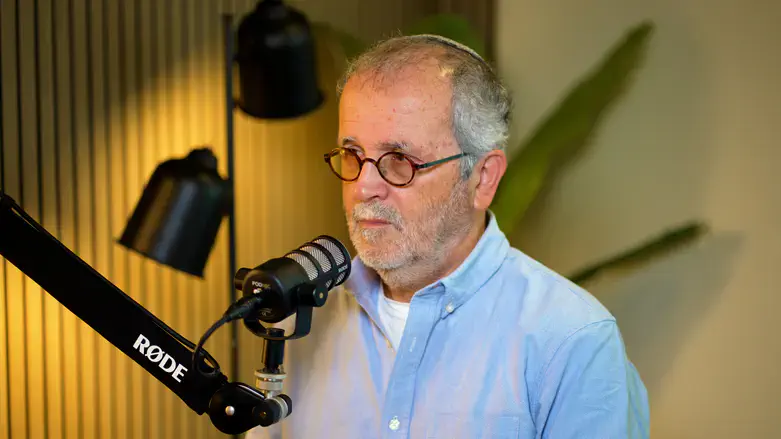
JPPI President Prof. Yedidia Stern stated, "Israeli society demonstrates remarkable resilience and optimism, yet it remains deeply fractured and polarized. The public perceives the internal rift as its main adversary, and we urgently need a long-term action plan to foster solidarity and trust. Public leaders must place national cohesion at the top of the national agenda and establish a streamlined constitution to regulate how we manage our disputes fairly and effectively."