

Lebanese Shiite cleric Sheikh Ali Al-Amin stated on Wednesday that Lebanon and its people are paying the price for a war they did not decide to enter, stressing the importance of negotiations between Lebanon and Israel to halt the bloodshed.
Speaking in an interview with Al-Arabiya and Al-Hadath, Al-Amin said the ongoing conflict has brought "killing, destruction, displacement and forced migration," adding that Lebanon continues to bear these consequences on an almost daily basis.
"The Lebanese state and its people did not make the decision to enter this war," he said, describing the conflict as an unequal one whose cost is measured in lives lost, destruction, and displacement.
Al-Amin said the significance of the talks between Lebanon and Israel lies in their ability to "stop the river of blood among our people," end the cycle of destruction and displacement, and enable displaced residents to return to their homes.
He emphasized that the Lebanese government had made the decision to negotiate and that it alone is responsible for protecting the population and safeguarding the country's territory.
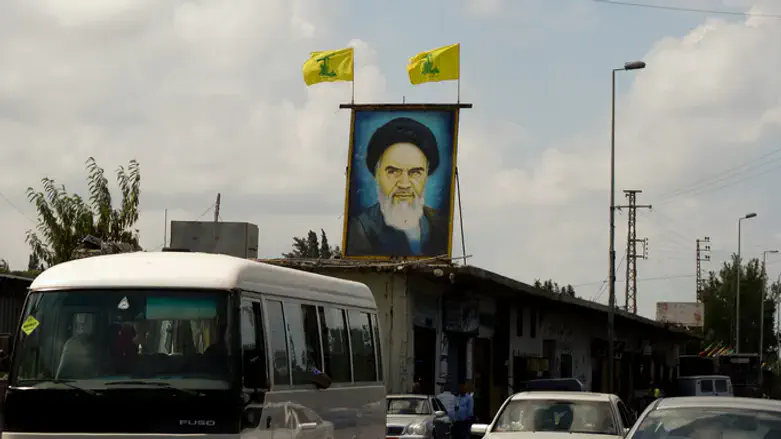
In the interview, Al-Amin also addressed Hezbollah's opposition to negotiations with Israel. He said the organization did not consult the Lebanese state before entering the war and now seeks to influence the manner in which it ends.
According to Al-Amin, Hezbollah's connection to Iran's leadership dates back to its founding. "Since its establishment, it has been a mouthpiece for Iran," he said, adding that the group has repeatedly expressed its ideological commitment to Iran's system of rule and obedience to the doctrine of Wilayat al-Faqih.
Al-Amin further stated that there has long been a Shiite voice opposing what he described as the hijacking of the Shiite community and its placement in confrontation with the Lebanese state.
"The other Shiite voice rejecting the hijacking of the Shiite community and placing it in opposition to the Lebanese state has existed from the beginning," he said. He added that this current has consistently supported the strengthening of the Lebanese state, the deployment of the Lebanese Army in southern Lebanon, and opposition to external interference, including Iranian involvement.
He noted that calls for reform and policy change within the Shiite community have become more visible in recent years, saying that growing numbers of people recognize the dangers of the policies pursued by those leading the community and the harm they have caused to Lebanon in general and to the Shiite community in particular.