
רַבָּן שִׁמְעוֹן בֶּן גַּמְלִיאֵל אוֹמֵר, עַל שְׁלשָׁה דְבָרִים הָעוֹלָם עוֹמֵד, עַל הַדִּין וְעַל הָאֱמֶת וְעַל הַשָּׁלוֹם, שֶׁנֶּאֱמַר (זכריה ח) אֱמֶת וּמִשְׁפַּט שָׁלוֹם שִׁפְטוּ בְּשַׁעֲרֵיכֶם: (אבות א:יח)
A Second Three
Rabban Shimon Ben Gamliel (Rashbag) concludes the opening perek of Avot by teaching that the world is supported by three pillars: Din, Emet, and Shalom.
These three pillars recall the teaching of Shimon Hatzaddik earlier in the same perek, who identified Torah, Avodah, and Gemilut Chasadim as foundational pillars of the world.
What is the relationship between the teachings of the two Rav Shimons? Rashbag, as the later authority, appears to build upon Shimon Hatzaddik’s formulation. The question is whether he disagrees with the earlier pillars or further develops them.
The Meiri’s version of Rashbag’s statement, which uses the phrase “ha’olam mekayeim" (the world is sustained by), highlights a significant distinction from Shimon Hatzaddik’s teaching, which lists three things upon which the world stands (omeid). Shimon Hatzaddik identified the goals of the world’s existence, whereas Rashbag articulated what is necessary for the world’s continued existence and for sustaining a functional, healthy society.
Let us examine Rashbag’s three pillars from this perspective.
Emet
Emet, truth, is a fundamental character trait. It is included among Hashem’s thirteen attributes and is described as His seal.
Emet is also essential for human conduct. Rabbeinu Yonah explains that valuing emet should inspire continual teshuvah and self-reflection. Since Hashem embodies truth and His Torah exemplifies it, we too should strive to serve Hashem with the same honesty.
Rabbeinu Yonah further asserts that emet is vital for interpersonal relationships. The Torah prohibits falsehood, and Dovid HaMelech includes “truth of the heart" among his eleven foundational behavioral principles. In the absence of mutual trust, personal relationships and the social structures built upon them deteriorate.
Din
Judges, who are entrusted with maintaining a healthy, fair, and functional society, must be “men of truth." This quality enables them to best achieve Rashbag’s first pillar, din (law or justice). Although judges cannot always ascertain absolute truth and may sometimes recommend compromise to preserve shalom, the Mishnah’s third value, these considerations must not obscure their commitment to truth. A society that lacks truth as its moral compass inevitably succumbs to injustice and cynicism.
Commitment to justice is the basis of Sefer Bereishit’s contrast between Avraham and Sedom. The people of Sedom acted cruelly and unfairly towards others, generating ze’akah (cries) and tze’akah (shouts). Hashem told Avraham about the destruction of Sedom because Avraham intended to teach his family the inverse - “the way of Hashem, which is tzedakah u’mishpat (fairness and justice)."
Hashem chose Avraham because he recognized what the world requires for its survival. Hashem created the world and entrusted it to humanity, expecting that, like Avraham, we would maintain it responsibly. Accordingly, the Gemara teaches that one who judges fairly is regarded as Hashem’s partner in creation.
This partnership forms the foundation of our enduring closeness to Hashem. Hoshei’a cites Hashem as declaring that He binds us to Him eternally through our pursuit of justice: “V'erastich Li l’olam, v’eirastich Li b’tzedek u’v’mishpat."
Like Sefer Bereishit, the rest of the Torah also emphasizes the importance of justice. Sefer Shemot tells us that, leading up to Matan Torah, Moshe spent his entire day adjudicating disputes. Similarly, Sefer Vayikra mandates the ownership and use of accurate weights and measures.
Sefer Devarim contains Parshat Shoftim, which is named for the judges we are commanded to appoint and who are tasked with the mission of “tzedek tzedek tirdof" (pursue justice). The subsequent verse links our survival and success in Eretz Yisrael to this pursuit: “l’ma’an tichyeh v’horashta es ha’aretz." This connection extends beyond the realm of reward and punishment; an unjust society ultimately collapses.
Eretz Yisrael’s capital city, Yerushalayim, is meant to be Sedom’s foil. This is why Yerushalayim’s kings, even before the Jewish people’s arrival, included the word tzedek in their names: Malki-Tzedek was king of Yerushalayim in the days of Avraham, and Adoni-Tzedek was king at the time of Yehoshua. Yerushalayim was naturally associated with the principle of justice.
Accordingly, Dovid and Shlomo established their dynasty in Yerushalayim upon the foundation of justice. Upon ascending the throne, Sefer Shmuel records that Dovid was “oseh mishpat u’tzedakah." In Sefer Tehillim, Dovid connects Yerushalayim’s unity, peace, and security to the courts that uphold justice. Shlomo further emphasized this tradition, making it a defining feature of his reign.
Unfortunately, subsequent generations in Yerushalayim and Eretz Yisrael deviated from this path. In response, Yeshayahu HaNavi referred to them as “officers of Sedom." A people and a city intended to contrast Sedom’s ways ultimately came to resemble them. Yeshayahu quotes Hashem lamenting that the city endowed with a natural inclination toward justice had become rife with violence and deceit. This deviation led to the exile foretold by Parshat Shoftim.
Yeshayahu prophesied that ge’ulah (redemption) will come when we return to the path of justice. At that point, Hashem will restore righteous judges, and Yerushalayim will again be associated with justice. Yirmiyahu added that, at that time, Hashem will restore the Davidic dynasty in its original form of “mishpat u’tzedakah." May we strive to use the values of emet and din to build communities, cities, and a nation that embody the truth and justice Hashem expects from our world.
Our next piece will iy"H address the third of Rashbag’s sustaining values: shalom.
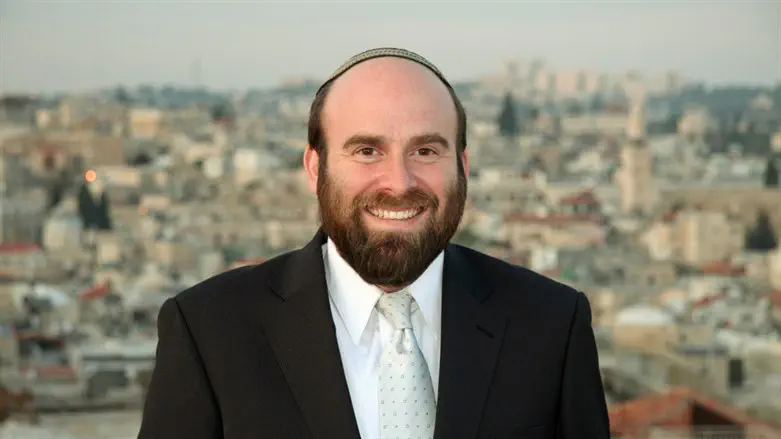
Rav Reuven Taragin is the Dean of Overseas Students at Yeshivat Hakotel and the Educational Director of World Mizrachi and the RZA.
His new book, Essentials of Judaism, is available at rabbireuventaragin.com.