

A new report examining the October 7, 2023 Hamas massacre in southern Israel concludes that Hamas terrorists and their allies carried out systematic sexual violence during the attack and against hostages held in Gaza, describing the abuse as a deliberate tactic intended to inflict terror, humiliation and long-term trauma.
The report, first shared with CNN, is being described by its authors as the most comprehensive compilation of evidence to date concerning sexual and gender-based crimes committed during the massacre. Researchers said the violence was “systematic, widespread, and integral" to the attack.
“The most important finding is the fact that the sexual violence on October 7 and against hostages in captivity has been a calculated strategy by Hamas," lead author Cochav Elkayam-Levy told CNN.
The study includes testimony from more than 10 survivors who described rape, sexual assault and abuse during the massacre, while being abducted to Gaza, or during captivity. Some survivors, including former hostages Romi Gonen, Arbel Yehud, Amit Soussana and Ilana Gritzewsky, have publicly discussed their experiences in recent months.
Other testimonies were provided confidentially to investigators, doctors and legal experts.
The report also contains allegations that have not previously been made public, including testimony from two minors who said they were sexually abused while held hostage in Gaza and forced by captors to perform sexual acts on one another.
Researchers said some evidence only became available following the release of hostages from Gaza, while other information was gathered during meetings with medical experts, lawyers and survivors.
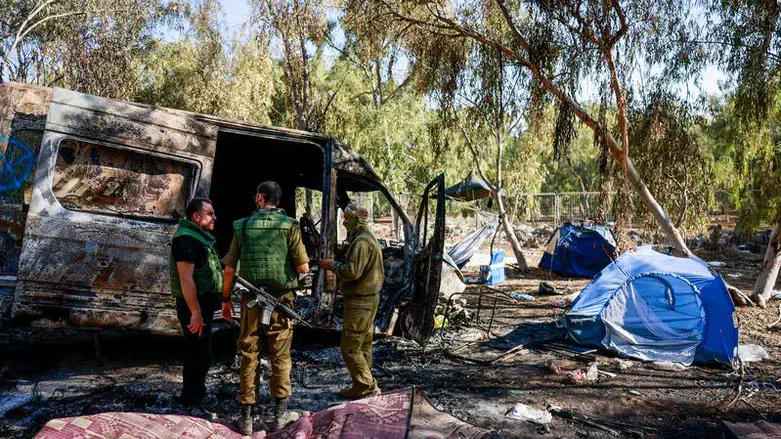
One section of the report focuses on attacks at the Nova music festival near the Gaza border, where investigators documented several alleged rapes based on eyewitness testimony. According to one survivor who hid near the scene, a woman was repeatedly assaulted by terrorists before being killed.
The report states that additional witnesses later described finding victims with torn clothing, signs of mutilation and evidence of severe sexual violence. Investigators documented at least six other incidents in which witnesses said they saw rapes or gang rapes carried out before victims were murdered.
Elkayam-Levy said the purpose of the project was to ensure that the crimes committed on October 7 are preserved in historical record and cannot later be denied.
The report is accompanied by a digital archive containing testimony, photographs and video evidence collected by researchers over more than two years. According to the commission, the material will remain sealed for a period of time to protect the identities and privacy of victims and survivors.
The effort was publicly endorsed by several prominent figures, including Sheryl Sandberg and Hillary Clinton.
Researchers said they conducted hundreds of interviews with survivors, first responders, forensic specialists and medical personnel. The team also reviewed more than 10,000 photographs and video clips, including footage recorded by the terrorists during the massacre.
The Civil Commission, an independent group established by Elkayam-Levy following the attack, concluded there is “clear and convincing evidence" of repeated patterns of sexual and gender-based violence across multiple locations in southern Israel.
According to the report, the abuse included rape, gang rape, forced nudity, sexual torture, threats of forced marriage and the filming and distribution of images documenting assaults. Investigators concluded that both women and men were targeted.
Researchers also detailed widespread mutilation of victims’ bodies. The report states that attackers frequently targeted women’s faces, chests and intimate areas. Forensic experts and personnel involved in identifying victims at the IDF’s Shura base reportedly reviewed evidence showing that some bodies had been mutilated even after death.
Elkayam-Levy said the nature of the violence indicated a deliberate effort to terrorize Israeli society.
“Sexual violence is meant to torture, humiliate," she said, adding that the attacks were designed to create lasting collective trauma.
Claims of sexual violence during the October 7 massacre became politically charged in the months following the attack, particularly after several early reports circulated publicly were later found to be inaccurate.
Elkayam-Levy acknowledged that some initial claims made in the immediate aftermath of the massacre proved incorrect, but stressed that every allegation included in the current report was carefully reviewed and corroborated.
According to the report, each case relied on cross-referenced evidence that included eyewitness accounts, forensic findings and geolocation analysis of photographs and videos. Researchers said they deliberately avoided relying on information obtained through state interrogations in order to maintain the independence of the investigation.
Hamas has repeatedly denied accusations that its terrorists committed rape or sexual abuse during the October 7 massacre or while holding hostages in Gaza.
However, several international investigations have reached conclusions supporting the allegations.
Following a fact-finding mission to Israel, Pramila Patten said there were “reasonable grounds to believe" that conflict-related sexual violence, including rape and gang rape, took place during the attacks.
The Association of Rape Crisis Centers in Israel, as well as an Israeli research initiative known as the Dinah Project, also concluded that sexual violence formed part of the massacre.
The report further noted that the International Criminal Court sought arrest warrants against three Hamas leaders over allegations that included rape and sexual violence as war crimes. Proceedings were later closed after the three terrorists were killed during Israel’s war against Hamas in Gaza.
Researchers said gathering evidence was complicated by the conditions immediately after the massacre. Many victims were murdered, leaving investigators without direct testimony. Emergency crews operating in active combat zones often prioritized rescue and body recovery over forensic procedures, meaning some evidence was not preserved.
Journalists were also brought to massacre sites in the days after the attack, before some areas had been fully documented by investigators.
Elkayam-Levy said critics later used gaps in forensic evidence to challenge claims of sexual violence, despite testimony and corroborating material collected by researchers.
She also noted that some first responders, many of them volunteers with little formal forensic training, were traumatized by what they witnessed and in certain cases shared accounts that later proved inaccurate. Critics subsequently used those mistakes to cast doubt on broader evidence that researchers insist was independently verified.
Elkayam-Levy became one of the leading public advocates for recognition of the victims of sexual violence committed during the massacre. In 2024, she was awarded the Israel Prize for her work.
She said she has since received threats, including death threats, but remains committed to documenting the crimes.
“These men and women, victims of sexual violence, have been silenced in the worst way and cruelest way possible," she said. “Hopefully what we did is to put an end to this."