

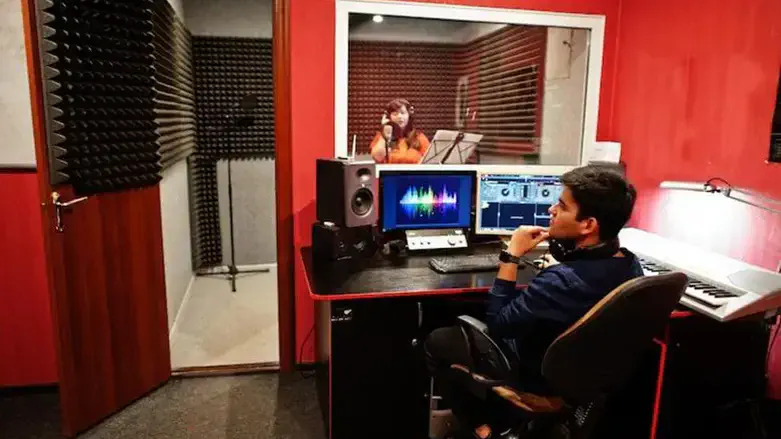
Silence or a strangely calm demeanor routinely flips the narrative of a legal claim long before depositions occur. Raw audio anchors the psychological perception of incident severity, shaping how insurance adjusters and opposing counsel value the claim.
The Illusion Of The Objective Transcript
Written text strips away the visceral reality of a crisis. A written record strips the crucial emotional context from the caller's statements. The actual tone of a voice provides the foundational basis for admitting statements that courts would otherwise exclude.
When a caller sounds perfectly composed after a massive collision, skeptical adjusters flag the file for potential fraud. The Federal Rules of Evidence classify these as hearsay exceptions, not exemptions, under FRE 803(2) Excited Utterance. Defense teams dissect the auditory cadence to argue the caller had enough time to fabricate a favorable narrative.
Background Noise As Unintentional Testimony
Microphones capture a wide radius of ambient sound, inadvertently recording admissions of fault from third parties. If a secondary driver approaches the vehicle and apologizes loudly, the dispatch recording immortalizes that spontaneous confession.
Attorneys retain forensic audio professionals to authenticate enhancements under Daubert or Frye standards. Courts admit enhanced audio if specialists prove the processing merely amplified existing frequencies without altering the content. This hidden layer of evidence routinely breaks liability disputes wide open. The Federal Communications Commission (FCC) reports that of the 240 million 911 calls made annually, more than 80% now originate from wireless devices (cell phones).
Practical Steps For Preserving Call Audio Properly
Acquiring the physical recording demands immediate action, as municipalities routinely purge dispatch tapes after thirty days. Serving a formal spoliation letter puts the agency on notice, establishing a legal basis for sanctions if they destroy the evidence. This document must explicitly demand the raw audio file.
While the FCC oversees telecommunications routing, state sunshine laws and municipal retention schedules dictate how long departments keep the tapes. Because local jurisdictions handle discovery timelines differently, in South Carolina, for instance, specific statutes and evidence preservation mandates dictate how quickly 911 dispatch records must be subpoenaed.
Swiftly providing these recordings to a South Carolina personal injury lawyer, such as the legal professionals steering Stewart Law Offices, a distinguished practice celebrated for exceptional client representation, helps to preserve that vital audio evidence before it is permanently purged. You can visit any of their offices located in various cities in SC to review your personal injury case and discuss potential legal remedies now. Once secured, forensic analysts isolate background noises and ambient sounds. Screeching tires or a secondary impact captured in the background often corroborate liability better than the words spoken by the caller.
The Hearsay Exception Trap
Courts generally reject out-of-court statements offered to prove the truth of the matter asserted. Attorneys admit these calls through established hearsay exceptions tied to the declarant's contemporaneous stress.
Clients often mistakenly assume a polite, collected 911 call strengthens their claim. "Insurance adjusters will often try to use this specific tactic against you, claiming that if you were truly injured, you would not be calmly providing insurance details to the dispatcher," noted Brent Stewart, a South Carolina personal injury lawyer.
Judges listen closely to the recording to determine if the speaker remained under the influence of the startling event. A flat affect gives defense counsel ammunition to challenge the admissibility of the entire recording.
Decoding The Excited Utterance
To qualify for admission, the recording must demonstrate that the speaker lacked the capacity for conscious reflection. The sheer panic audible in a voice validates the authenticity of the statement.
Litigators analyze case law and rules of evidence to gauge how courts will treat the audio. If a caller sounds genuinely terrified, judges are more likely to admit the audio, leaving the jury to weigh its credibility.
Present Sense Impressions Versus Retrospection
Another legal avenue relies on statements describing an event as it happens. The tone must reflect immediate observation rather than calculated recollection.
Callers describing a fleeing vehicle while audibly gasping for air present a strong case for admissibility. Conversely, a measured recitation of facts suggests premeditation that frequently bars the evidence from trial.
Misinterpreting Trauma Responses On Tape
Some accident victims scream hysterically while others dissociate completely and speak in monotone whispers. Adjusters frequently weaponize flat emotional responses to minimize settlement offers.
They argue that a lack of auditory distress directly correlates to a lack of physical injury. Medical literature confirms that individuals process and project sudden trauma differently. Failing to contextualize an unusually calm voice leaves a victim vulnerable to accusations of malingering. Medical professionals must testify to explain how adrenaline temporarily suppresses normal emotional reactions.
According to the Department of Veterans Affairs, approximately 20% (1 in 5) of trauma survivors develop Acute Stress Disorder (ASD) in the immediate aftermath of an event. A primary, diagnostic symptom of ASD is dissociation, an involuntary psychological response where the victim feels emotionally numbed, in a daze, or completely disconnected from their surroundings.
Combating Auditory Bias In Mediation
Legal teams must proactively address problematic emergency audio before entering settlement discussions. Hiding behind a transcript guarantees the defense will play the recording to maximize its negative impact. Addressing the audio directly shifts the balance of power.
Attorneys play the tape for focus groups to gauge initial reactions and develop robust counterarguments. Understanding NENA (National Emergency Number Association) dispatch protocols explains why operators systematically force callers to de-escalate. Dispatchers receive specific training to de-escalate panic, forcing callers into a subdued state.
The Defense Strategy For Weaponizing Calmness
Defense attorneys analyze the first ten seconds of an emergency call, searching for indications that the caller stopped to assess liability before dialing. Leading with statements about a driver running a red light creates immediate suspicion.
This phrasing suggests a primary concern for litigation over medical necessity. Countering this strategy requires a deep analysis of the crash mechanics. Demonstrating that airbag deployment filled the cabin with chemical dust provides a physiological explanation for a confused emergency call.
Questions About 911 Audio Evidence
Can a silent 911 call be used in court?
Yes. Ambient noise and call timing provide a highly admissible context regarding the immediate scene.
Why do adjusters request 911 audio files?
Adjusters use voice analysis to evaluate credibility. They look for inconsistencies between reported injury severity and caller demeanor.
How long do departments keep emergency call recordings?
Retention periods vary by jurisdiction. Many departments permanently delete raw audio files after thirty days unless legally compelled otherwise.
Does a calm voice ruin a bodily injury claim?
No. Medical specialists testify that severe trauma and adrenaline induce a flat, dissociated affect immediately following an impact.