
In the double Torah portion we read this past Shabbat, Behar-Bechukotai, the Torah lays out the foundations for Jewish life in Eretz Yisrael. At its core is the delicate balance between hishtadlut-human effort and responsibility-and the clear recognition that ultimately, “כִּי לִי הָאָרֶץ, כִּי גֵרִים וְתוֹשָׁבִים אַתֶּם עִמָּדִי" (“Ki li ha’aretz, ki gerim ve-toshavim atem imadi" - “For the land is Mine; for you are strangers and residents with Me") (Vayikra 25:23).
This balance is reflected in the powerful imagery of “iron" found in the Tochachah: “וְנָתַתִּי אֶת שְׁמֵיכֶם כַּבַּרְזֶל" (“Ve-natati et shemeichem ka-barzel" - “I will make your skies like iron") (Vayikra 26:19). Rashi explains that iron here symbolizes a closed reality-heavens that no longer allow rain and blessing to descend. The skies become sealed like iron, reminding us that even strength itself can become an obstacle when disconnected from its spiritual source.
In our generation, “iron" has taken on an entirely new meaning. The “Iron Dome" has become a symbol of protection and security. Yet precisely here the Torah’s warning becomes especially relevant: “וְשָׁבַרְתִּי אֶת גְּאוֹן עֻזְּכֶם" (“Ve-shavarti et ge’on uzzechem" - “I will break the pride of your strength"). The Sforno explains that this refers to the fortresses and systems upon which people place complete reliance. The Torah is not נגד השתדלות (neged hishtadlut - opposed to human effort). On the contrary, it demands responsibility, preparedness, and defense. But it warns us not to turn military strength, technology, or human achievement into the ultimate source of confidence.
When a society begins to believe “כֹּחִי וְעֹצֶם יָדִי" (“Ko’chi ve-otzem yadi" - “My power and the strength of my hand") alone secures its future, the very “iron" meant to protect can become a barrier separating us from the true Source of blessing.
The Torah never teaches passivity. It explicitly commands action: “וּבֵרַכְךָ ה' אֱלֹקֶיךָ בְּכֹל אֲשֶׁר תַּעֲשֶׂה" (“U-verachecha Hashem Elokecha be-chol asher ta’aseh" - “Hashem your God will bless you in all that you do") (Devarim 15:18). Chazal emphasize that one might think a person can sit idle and wait for blessing; therefore the verse says “in all that you do." Even in our parashah, the Torah promises: “וְהִשִּׂיג לָכֶם דַּיִשׁ אֶת בָּצִיר" (“Ve-hissig lachem dayish et batzir" - “Your threshing shall overtake the vintage") (Vayikra 26:5).
But first one must plow, plant, harvest, and thresh so that the blessing has somewhere to rest.
The same principle applies to national security. The Torah commands: “וְיָתֵד תִּהְיֶה לְךָ עַל אֲזֵנֶךָ" (“Ve-yated tihyeh lecha al azenecha" - “You shall have a shovel among your equipment") (Devarim 23:14). Many mefarshim understand this as teaching the importance of military preparedness, discipline, and proper organization within the camp. We are obligated to build defenses, develop advanced technology, and do everything possible within the natural order to protect life.
At the same time, however, the Torah reminds us: “וְזָכַרְתָּ אֶת ה' אֱלֹקֶיךָ כִּי הוּא הַנֹּתֵן לְךָ כֹּחַ לַעֲשׂוֹת חָיִל" (“Ve-zacharta et Hashem Elokecha ki Hu ha-noten lecha koach la’asot chayil" - “And you shall remember Hashem your G-d, for it is He Who gives you the power to succeed") (Devarim 8:18). Even the greatest military success requires Siyata DiShmaya. No victory exists in a vacuum.
Parashat Bechukotai also teaches us how “iron" can be transformed from a symbol of blockage into a kli shel berachah. “אִם בְּחֻקֹּתַי תֵּלֵכוּ" (“Im bechukotai telechu" - “If you follow My statutes"). Chazal explain: “שתהיו עמלים בתורה" (“that you should labor in Torah"). Military capability alone has never sustained the Jewish people. Our endurance depends upon Torah, ruchniyut, and mutual responsibility. Therefore the Torah declares: “וּרְדְפוּ מִכֶּם חֲמִשָּׁה מֵאָה" (“U-redfu mikem chamishah me’ah" - “Five of you shall pursue a hundred") (Vayikra 26:8). Jewish strength multiplies when there is unity, shared purpose, and spiritual clarity.
Parashat Behar adds another essential element: “וְלֹא תוֹנוּ אִישׁ אֶת עֲמִיתוֹ" (“Ve-lo tonu ish et amito" - “You shall not wrong one another") (Vayikra 25:17). Even while confronting external enemies, we must guard against internal fractures caused by hurtful speech, division, and needless conflict.
The “Iron Dome" may intercept missiles, but it cannot heal a fractured society. The true strength of Am Yisrael depends upon sensitivity, responsibility, and Ahavat Yisrael.
Ultimately, the Torah does not want Jews to live in fear. It wants us to live with genuine bitachon: “וְנָתַתִּי שָׁלוֹם בָּאָרֶץ… וִישַׁבְתֶּם לָבֶטַח בְּאַרְצְכֶם" (“Ve-natati shalom ba-aretz… vi-yeshavtem la-vetach be-artzechem" - “I will grant peace in the land… and you shall dwell securely in your land") (Vayikra 26:6). When human effort is joined with humility and recognition of where strength truly comes from, then the “iron" that once symbolized blockage becomes instead a vehicle for blessing, protection, and peace.
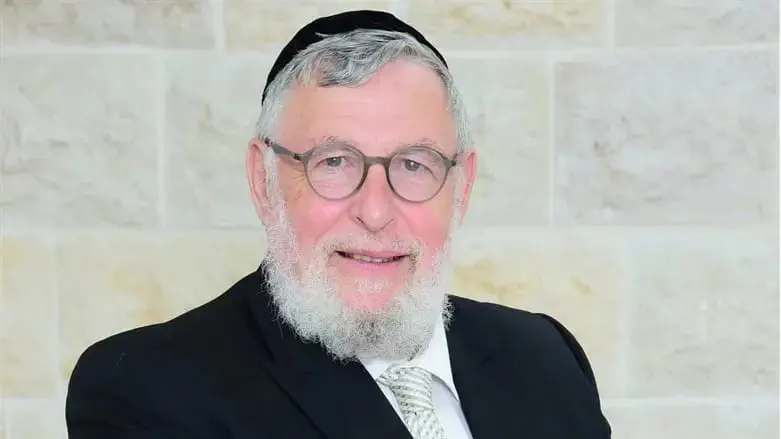
Rabbi Eliezer Simcha Weisz is a member of the Israel Chief Rabbinate Council.