

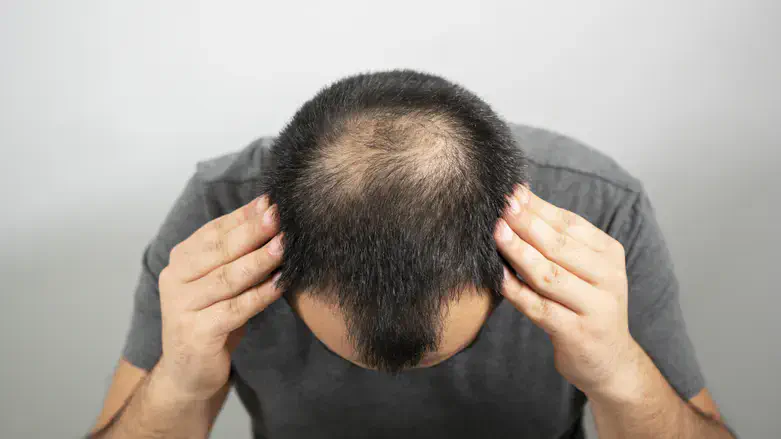
Hair transplantation has become one of the most popular solutions for people dealing with hair loss, thinning hair, or a receding hairline. For many individuals, the procedure is not only about improving appearance but also about restoring confidence and feeling more comfortable with the way they look.
Although hair transplants are becoming increasingly common, many people still do not fully understand how the process actually works. Some assume it is simply a matter of “adding more hair," but in reality, it is a carefully planned medical procedure that requires precision, experience, and an understanding of scalp anatomy and hair growth patterns.
The goal of a hair transplant is not just to cover bald areas. The real objective is to create a natural result that blends with the patient’s facial structure, age, and existing hair characteristics.
What Is a Hair Transplant?
A hair transplant is a procedure in which hair follicles are moved from areas with strong, dense hair growth to areas affected by thinning or baldness. In most cases, the follicles are taken from the back or sides of the scalp because hair in those areas is generally more resistant to genetic hair loss.
Once transplanted, the follicles usually continue to grow hair in the new location because they maintain their original genetic characteristics. This is why hair transplantation is considered a long-term solution compared to temporary cosmetic options.
It is important to understand that a hair transplant does not create new hair. Instead, it redistributes the patient’s existing hair in a strategic and carefully planned way.
Who Can Benefit from a Hair Transplant?
Hair transplants may be suitable for men and women experiencing significant thinning, genetic hair loss, receding hairlines, or hair loss caused by scars or injuries.
However, not everyone is an ideal candidate. Before the procedure, specialists evaluate the quality of the donor area, the condition of the scalp, the progression of hair loss, and the patient’s expectations.
In some cases, doctors may recommend waiting or combining the transplant with additional treatments before moving forward.
The Consultation and Planning Stage
Before the transplant begins, the patient undergoes a professional consultation and scalp evaluation. During this stage, the doctor examines donor hair density, thinning patterns, and the design of the future hairline.
Proper planning is one of the most important parts of the process. A hairline that is too low or too dense may look unnatural, especially as the patient ages. Experienced doctors carefully design the transplant according to facial proportions, age, and potential future hair loss.
Clinics such as Dr. Asi Peretz focus on personalized planning and natural-looking hairline design.
How Are Hair Follicles Extracted?
During the procedure, hair follicles are carefully removed from the donor area. Today, several transplantation techniques exist, with one of the most common being the FUE method.
In the FUE technique, individual follicles are extracted one by one and later implanted into thinning areas. One major advantage of this method is that it allows for precise work with minimal visible scarring in many cases.
There are also other transplantation methods, and the best option depends on the patient’s condition, the number of grafts required, and the doctor’s professional judgment.
How Is the Hair Implanted?
After the follicles are extracted, tiny openings are created in the recipient area. Each follicle is then implanted according to the natural direction and angle of hair growth.
This stage is extremely delicate because the final appearance depends heavily on the placement, density, and orientation of the grafts. In the front hairline area, doctors often use finer grafts to create a softer and more natural transition.
The overall goal is to produce a result that looks as natural as possible, even to people who see the patient regularly.
How Long Does the Procedure Take?
The duration of a hair transplant depends on the size of the treatment area and the number of grafts being transplanted. Some procedures may take only a few hours, while larger sessions can last significantly longer.
In most cases, the procedure is performed under local anesthesia, meaning the patient remains awake but should not feel significant pain during the treatment.
Once the procedure is completed, patients are usually able to return home the same day with detailed aftercare instructions.
What Happens After the Procedure?
During the first few days after the transplant, patients may experience redness, mild swelling, and small scabs in the treated area. These effects are considered a normal part of the healing process.
In the weeks following the procedure, some of the transplanted hairs may shed. This is a common and expected phase. The follicles themselves usually remain in place and later begin producing new hair growth.
Initial growth can often be seen after several months, while the full results continue to develop gradually over time.
Do Hair Transplants Look Natural?
When performed correctly, modern hair transplants can look extremely natural. Advances in medical techniques now allow doctors to create realistic hairlines and match the density to the patient’s facial structure and natural hair pattern.
The natural appearance depends on many small details, including growth direction, gradual density changes, and proper hairline design.
This is why the experience and artistic judgment of the surgeon play such an important role in the final outcome.
Are Hair Transplants Permanent?
In many cases, transplanted follicles continue growing hair for many years because they are taken from areas resistant to genetic hair loss.
However, untreated natural hair may continue to thin over time. For this reason, some patients may choose to undergo additional treatments or future touch-up procedures.
Proper planning from the beginning can help maintain a balanced and natural appearance over the long term.
Why Choosing the Right Clinic Matters
A successful hair transplant combines medical expertise, technical precision, and aesthetic understanding. Choosing an experienced clinic and surgeon can significantly influence both the result and the overall experience.
An experienced doctor understands not only how to perform the procedure itself but also how to design a natural hairline, select the right technique, and provide realistic expectations for the patient.
Ultimately, a successful hair transplant is one that looks natural, blends harmoniously with the face, and helps the patient feel more confident and comfortable over time.