

B’nai Brith Canada’s League for Human Rights released its 2025 Annual Audit of Antisemitic Incidents, documenting a continued rise in anti-Jewish hate across the country and identifying what it describes as a sustained national crisis.
According to the report, a total of 6,800 antisemitic incidents were recorded in 2025, marking a 9.3% increase from the 6,219 incidents documented in 2024. The findings indicate that antisemitism has risen sharply in recent years, with a 145.6% increase since 2022, when 2,769 incidents were reported.
The audit states that the 2025 total represents an average of 18.6 incidents per day targeting Jewish Canadians, compared to eight per day in 2022. It notes that antisemitic incidents have increased in six of the past seven years.
The report categorizes incidents into three types: harassment, vandalism, and violence. Harassment accounted for the overwhelming majority of cases, with 6,491 incidents recorded. Vandalism incidents totaled 299, while 10 incidents of violence were documented.
The audit highlights a significant shift toward online activity. Antisemitism expressed through digital platforms represented 92% of all incidents in 2025, up from 86% in 2024 and 84% in 2023. The report describes this trend as a sustained transformation in how antisemitism is expressed and experienced.
Regionally, Ontario recorded the highest number of incidents, with 3,194 cases in 2025. Other regions reported lower totals, including British Columbia with 847 incidents, the Prairies with 841, Alberta with 677, Quebec with 573, and Atlantic Canada with 384. Thirteen incidents were recorded in the Territories, while 271 incidents were classified as Canada-wide when a specific region could not be identified.
The report notes that several regions experienced significant increases compared to 2024, including Atlantic Canada, the Prairies, and British Columbia. Ontario also recorded a substantial rise in incidents.
Monthly data shows that incidents increased as the year progressed, with the highest totals recorded in November and December, at 982 and 1,404 incidents respectively.
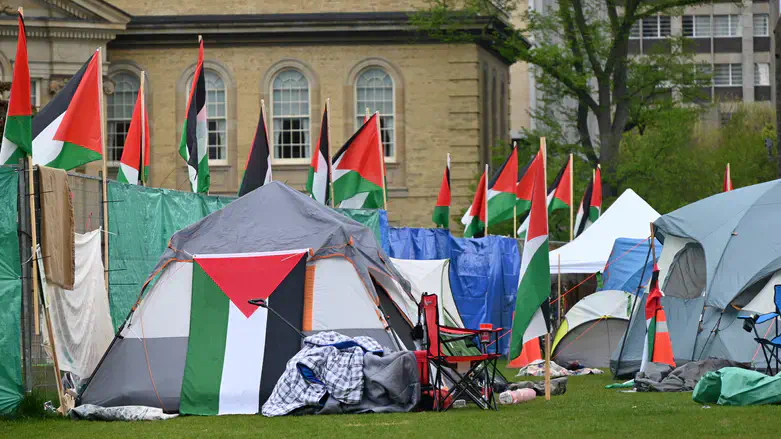
The audit states that antisemitism was documented across various sectors of Canadian society, including schools, universities, workplaces, and online spaces. It reports that Jewish students and faculty encountered hostility on campuses, while elementary and high school students were also subjected to antisemitic graffiti, threats, and harassment.
The report further examines what it describes as the growing demonization of Zionism, stating that anti-Zionist rhetoric has contributed to antisemitic incidents. It cites examples involving student organizations, protests, and public discourse in which language and imagery targeting Zionism were linked to broader hostility toward Jewish individuals and institutions.
The audit also identifies trends related to extremist activity, including the presence of white supremacist groups and online radicalization. It notes increased visibility of such groups and their use of social media platforms to disseminate content and recruit individuals, including youth.
In addition, the report discusses what it describes as a correlation between media narratives and antisemitic incidents, stating that language and framing used in coverage of international events were reflected in antisemitic discourse within Canada.
Incidents included in the audit were collected through multiple channels, including reports from victims, law enforcement, and online monitoring. Each incident is assessed using the International Holocaust Remembrance Alliance definition of antisemitism and is reviewed through a multi-stage verification process before inclusion.
The audit concludes by stating that the documented rise in antisemitic incidents reflects a broader trend and underscores the need for continued monitoring and response.