
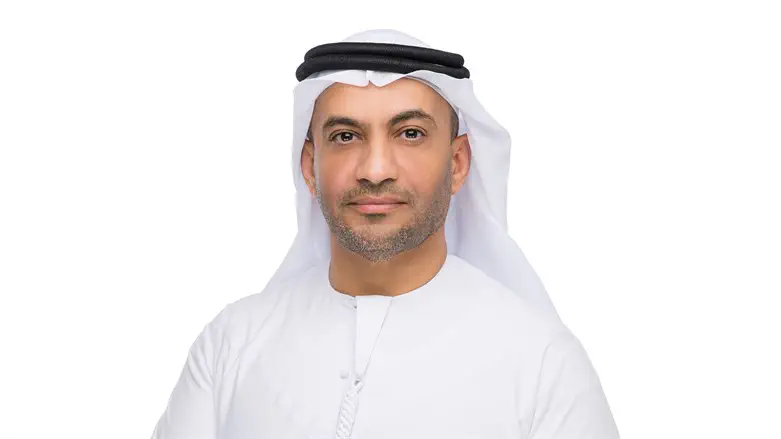
Dr. Salem AlKetbi is a UAE political analyst and former Federal National Council candidate.
Several regional actors are moving quietly, not to contain the fallout from the current phase but to fill the vacuum that could follow a decline in Iran’s role. What once seemed theoretical is now visible in practice. These states are repositioning themselves with a defined goal: to take a leaf out of Iran’s book and reproduce its model for managing conflict in the Middle East.
It is not an effort to adapt, but to restore influence through the shortest path, using terrorist proxies, indirect pressure and chaos as a bargaining chip. The Iranian experience, which should have served as a lesson on the costs of that model, is now treated by some as a success to be copied rather than a warning to be heeded.
The problem is no longer Iran alone but the fact that its method has become a ready-made template for others. The most dangerous change is that the threat is moving from a state to a methodology. Built around irregular proxies and an expanded margin of pressure through missiles and corridors, the model allows its user to exert influence without paying the price of direct confrontation, and that makes it attractive to actors seeking quick gains in a volatile region.
Because the model has shown tactical utility, efforts to copy it follow defined and deliberate lines.
The first is the rebuilding of terrorist proxies, not only as military instruments but as political and security networks able to impose a negotiating reality by force without declaring war. These proxies save time and allow their sponsors to disrupt and influence simultaneously.
The second line is financial and political blackmail. It revives an old equation in a new form: using pressure to extract funding or impose arrangements in the name of stability, then directing those resources back into the same threat networks.
The third line is the revival of revolutionary and nationalist discourse as a mobilization tool and political cover, reviving hostility toward the West, the United States, Israel and the Jews not out of ideological conviction but to justify a project built on tension rather than stability.
These three lines should not be seen in isolation; they express a wider effort to revive the revolutionary logic that once governed the region, now repackaged to recycle the same philosophy of conflict. That logic rests on a simple and dangerous premise: creating crises yields influence, sustained tension opens doors to negotiation, and chaos can be wielded as an instrument rather than treated as a threat.
The deeper problem is that some actors are not content to adopt the tools; they try to legitimize them by invoking and politicizing the Shiite sectarian legacy to present themselves as a natural continuation of that role. What they overlook is that this course reproduces not only influence, but also the conditions that produced conflict, isolation, and eventually, destruction and mayhem.
The contest is not limited to would-be heirs. It also involves other regional powers with different instruments that want to block any monopoly over the model or refashion it to serve their interests.
Turkey is a case in point. It does not work inside the Iranian template, but it does not stand apart from it either. Ankara maintains a parallel structure of influence, different in nature and tools, embedded in networks with a Sunni political and social base, which allows it to project power without copying the Iranian model in its classic form.
This does not make its instruments less effective, only different in form and at times more flexible. It depends on a mix of political presence, indirect support and ties to local networks, which lets it build real influence without appearing as a direct adversary.
Turkey is unlikely to remain passive as others try to inherit the Iranian model. It is more likely to use its own instruments to frustrate any regional power that seeks to monopolize influence through that logic, especially if Ankara views it as a threat to its vital interests or its standing in the regional balance.
The result is no longer a contest over a single source of influence but an overlap of competing models. Sectarian, political and security tools intersect in the same geography, reopening historical cycles of tension in a setting that is more complex and harder to control.
Therefore, anyone who tries to take over Iran’s role will inherit its tools - and its trajectory with them. A different name changes nothing if the structure stays the same: proxies, indirect pressure and the destabilization of states.
This helps explain the change in Gulf policy. The issue is no longer deterring Iran as a state but preventing any actor from reproducing the model.
Gulf states therefore carry part of the responsibility, and they intend to close the space that allows the model to function:
-no funding without explicit political and security commitments,
-no tolerance for environments that harbor terrorist proxies or incitement, and
-no acceptance of partnerships built on a gap between rhetoric and behavior.
At the same time a separate deterrent is being built, aimed at blocking blackmail before it starts by strengthening defenses, securing vital corridors such as the Strait of Hormuz and expanding military partnerships centered on bases such as Al Udeid Air Base and the Fifth Fleet base. The goal is to raise the cost of using the model well above any potential return.
The bottom line is not that the region faces a vacuum but rather a test. Either the vacuum produces a new balance, or it triggers an open race to copy the same model under different names. In the latter case, the outcome will not be shared influence but a compounded crisis, a longer conflict and and a bill no one can dodge.