

The IDF Spokesperson on Monday morning released the operational probe into the battle at Kibbutz Holit, which was finalized by former IDF Chief of Staff Lt. Gen. Herzi Halevi.
The investigative team determined that the IDF failed in its mission to defend the kibbutz, alongside noting exceptional acts of combat and defense carried out by residents and security forces.
According to the findings, residents carried out defensive actions, rescues, and assistance under fire. The report stated that “these actions constitute a model of mutual responsibility and civilian bravery." It further concluded that the kibbutz security head (ravshatz) and his deputy engaged the enemy directly, physically defended the community, and acted in a manner worthy of recognition.
On the morning of the attack, regional forces operated along the border area and near the kibbutz, striking terrorists but sustaining losses. At the onset of events, forces reached the kibbutz gate but diverted to another combat zone and did not fulfill the defense mission.
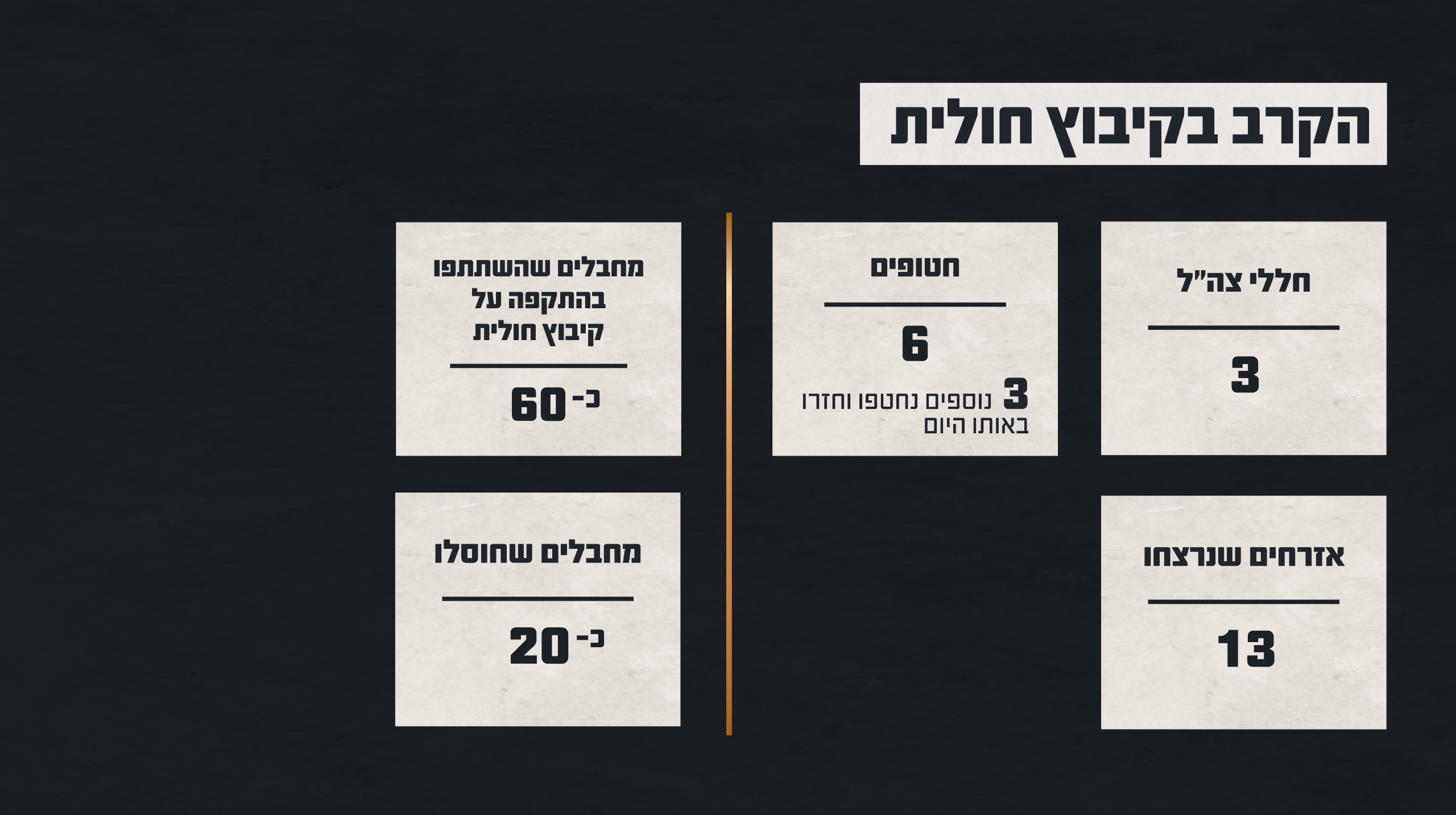
By the afternoon hours, reinforcement forces arrived, engaged the terrorists, and halted further harm to residents. The report noted that “their fighting is worthy of appreciation." During the attack, 13 civilians were murdered. Four Israeli civilians and two foreign workers were abducted, and three residents were kidnapped and released later that same day.
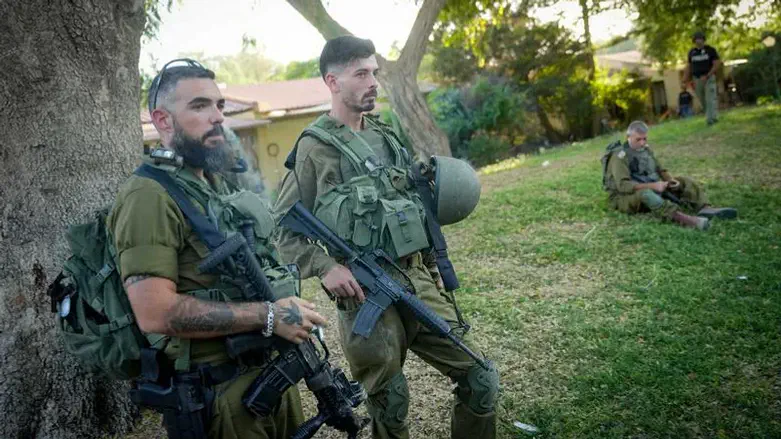
The probe states that “security forces who fought in the kibbutz acted with great bravery and self-sacrifice." Three members of the security forces were killed in the fighting, with additional casualties, abductees, and wounded among both residents and forces.
The attack began at 06:29 with massive rocket fire from the Gaza Strip, under which terrorists infiltrated Israeli territory. Within minutes, a mega-scale assault developed across multiple locations, with “the infiltration of thousands of terrorists into dozens of sites simultaneously" hindering the arrival of forces.
In the first phase, IDF forces operated outside the kibbutz, striking terrorists but suffering from attacks on the Sufa outpost and disruptions to the command structure. At the same time, the ravshatz and his deputy identified the threat, opened fire, and alerted additional forces in the sector.
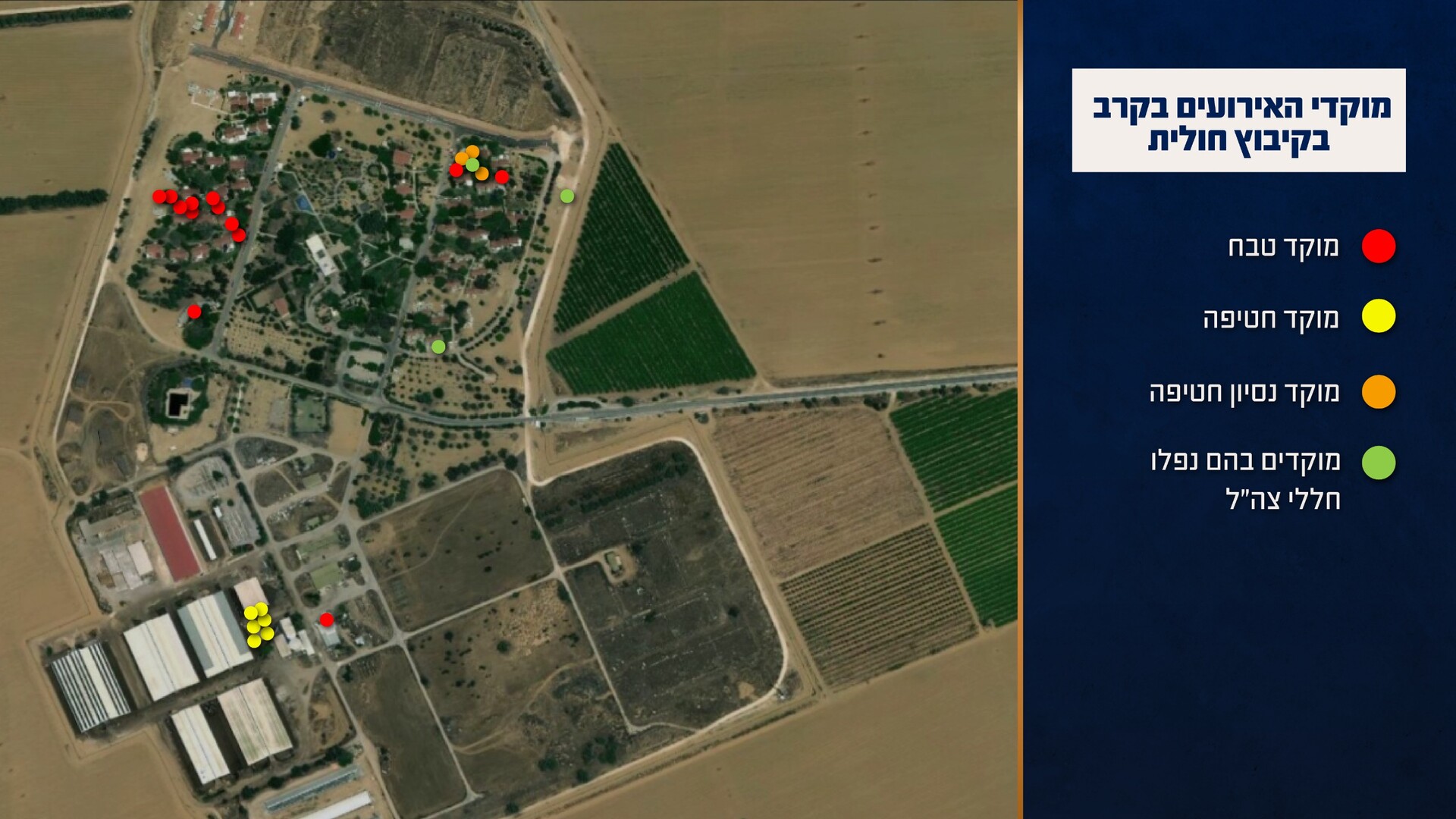
In the second phase, beginning at 06:59, terrorists infiltrated the kibbutz through the eastern fence and launched a campaign of murder, abduction, and destruction. Residents and members of the standby squad fought largely on their own, evacuating the wounded while under immediate threat to their lives.
During the fighting, ravshatz Avi Korin was killed after entering combat, while his deputy continued fighting alone for hours. Terrorists broke into dozens of homes, murdered civilians, abducted residents, and set buildings on fire. Some residents were rescued by neighbors amid the ongoing fighting.
Later in the day, terrorists continued operating throughout the kibbutz, looting property and holding civilians hostage. Armed residents, together with a police officer from the kibbutz, engaged the terrorists and struck them at several points.
At 13:53, reinforcement forces entered the kibbutz and began searches and combat operations. Additional forces later arrived, including special units, tanks, and infantry. These forces conducted battles, located terrorists, and began restoring control of the area.
During the clashes, terrorists retreated toward the Gaza Strip while taking civilians hostage. Three of the hostages were later released inside Gaza and returned to the kibbutz hours later. Evacuation of residents began in parallel, and medical assistance was provided to the wounded.
Control of the kibbutz was gradually transferred to IDF forces, and operations continued in the following days with additional encounters and the elimination of terrorists. In the days that followed, the bodies of missing persons were located, including that of the ravshatz.
The probe concluded that the failure stemmed, among other factors, from damage to the command structure, the loss of key commanders, and the absence of an updated situational picture. It also noted that certain operational decisions, including evacuation under threat, were erroneous.
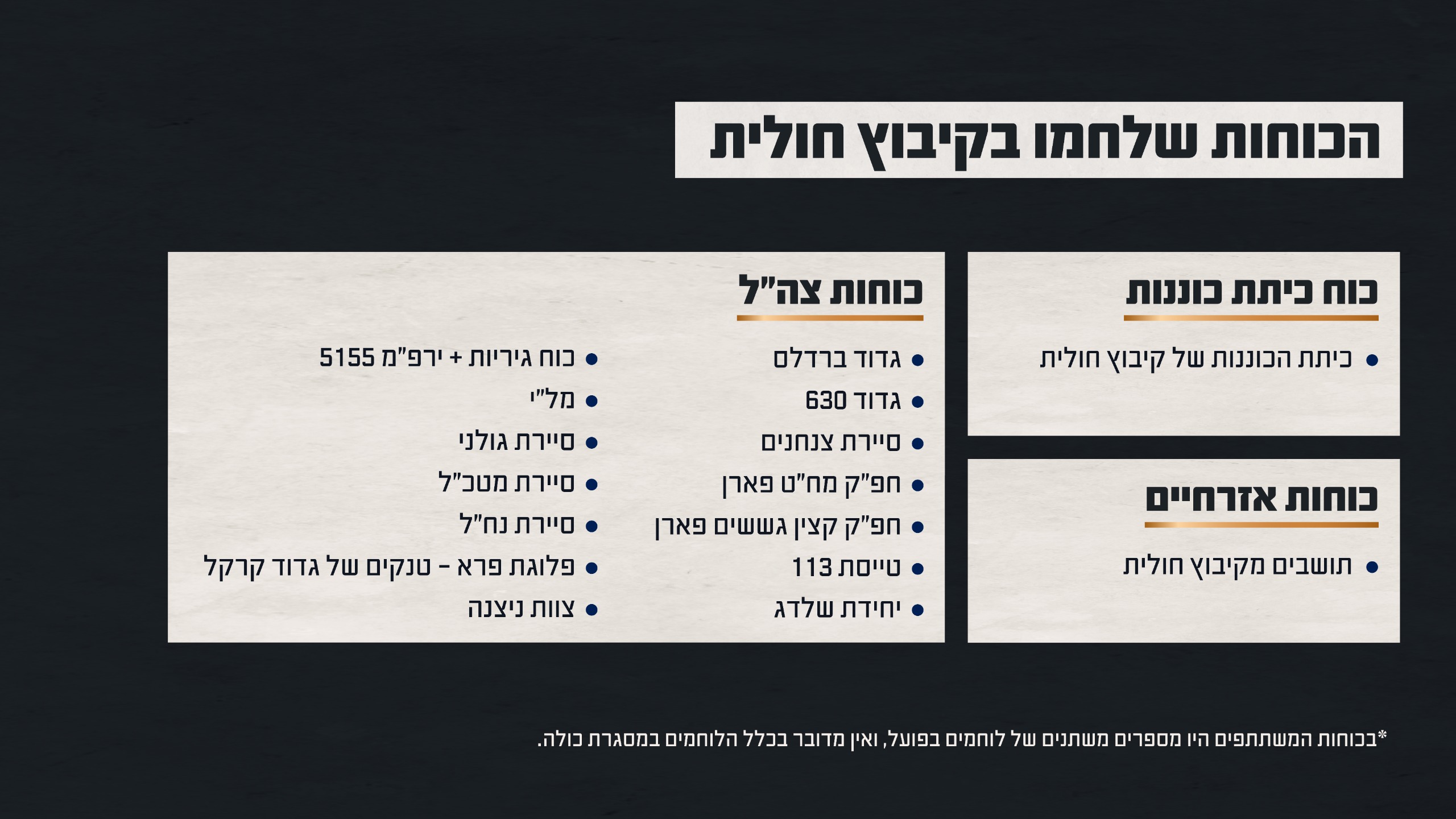
At the same time, the report highlighted significant combat actions by various forces, including tank and armored personnel carrier crews who delayed the terrorists’ advance. It also commended the actions of civilians, the ravshatz and his deputy, and the local emergency team.
The report added that “additional details may emerge in the future," noting that this is an operational probe focused on the sequence of events, battle management, and the actions of military forces.
In response to the publication, Kibbutz Holit stated: “Two and a half long years after October 7, the IDF’s investigation into that terrible day was presented to the public. We thank the military for conducting the probe and acknowledging the failures and shortcomings - but for us, this is yet another confirmation of the great failure of that morning. A morning in which extraordinary civilian bravery stood in the face of the greatest military failure the state has known.
“On that Black Sabbath morning, Kibbutz Holit was left without protection. Only around 14:00, seven and a half hours after the start of the attack, did the first soldiers enter the kibbutz, despite forces being present in the area from the early morning hours. This reality left the residents to face a brutal assault on their own. The kibbutz security coordinator, the standby squad, and other members of the community acted with exceptional courage - fighting for their homes, rescuing the wounded under fire, saving children from burning houses, physically shielding their families, and some paid the heaviest price with their lives.
“Kibbutz Holit bows its head in memory of the community members and soldiers who fell in battle, embraces the bereaved families, and seeks to honor the forces and fighters who did reach the kibbutz and acted with bravery. The probe is an important step in the process, but it is not the final word. The pursuit of truth has not yet been completed, and we demand that it be fully realized through a state commission of inquiry that will thoroughly examine all the failures and circumstances that led to the disaster - and above all, restore trust.
“As we prepare to return home, we expect real security, lessons to be learned, and different actions in the face of the growing threats along the border even today. The Holit community seeks to rehabilitate, grow, and rebuild - in its natural place, to which it is deeply connected."