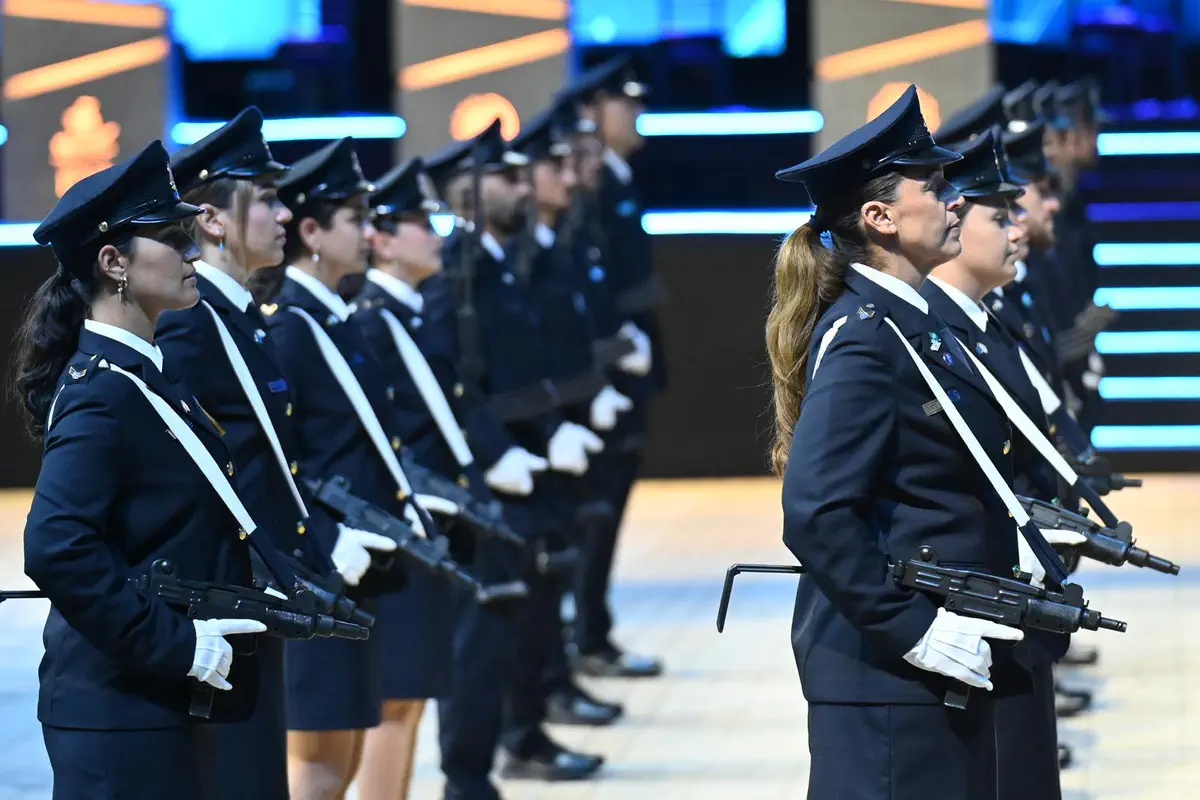
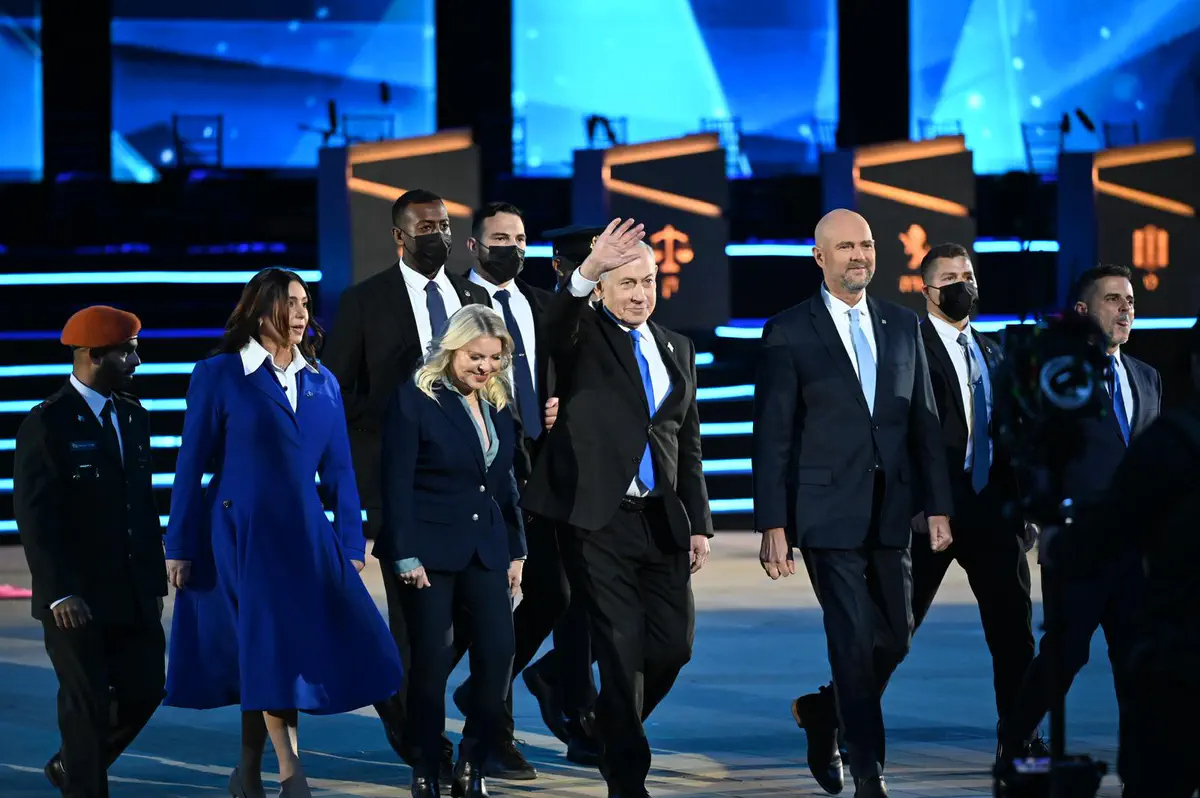
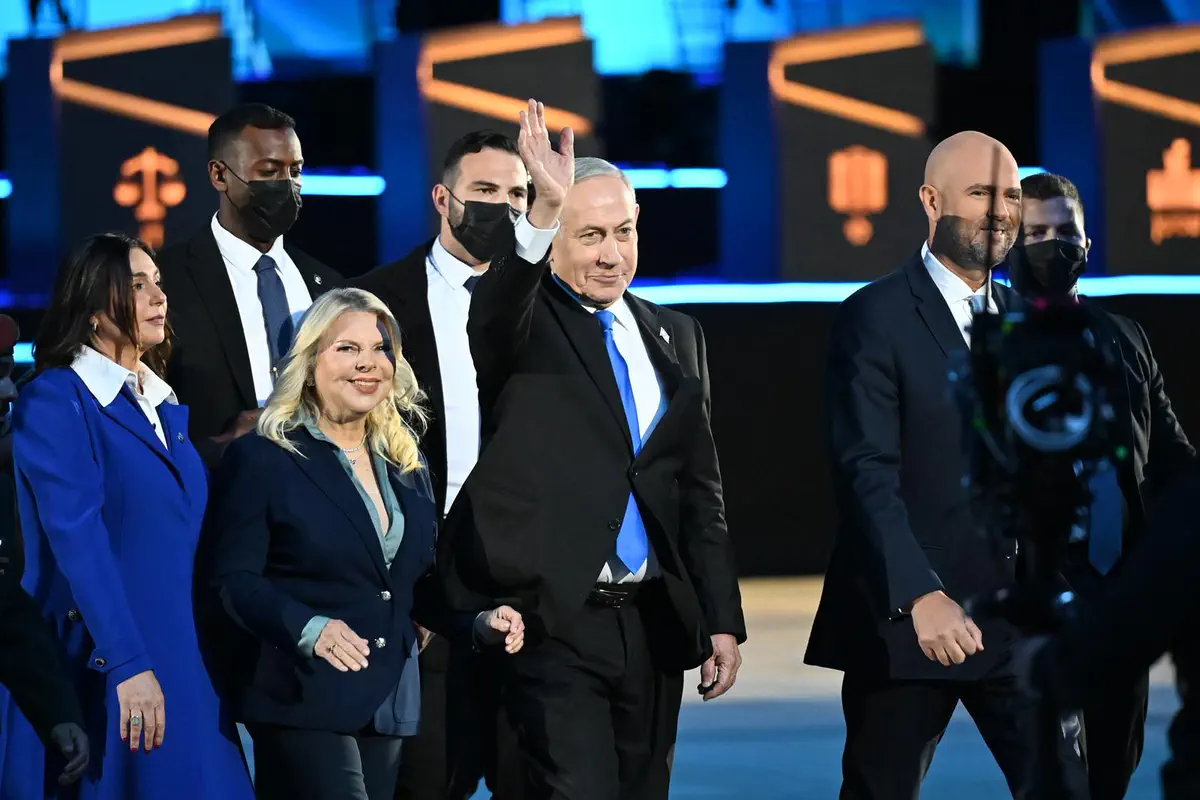
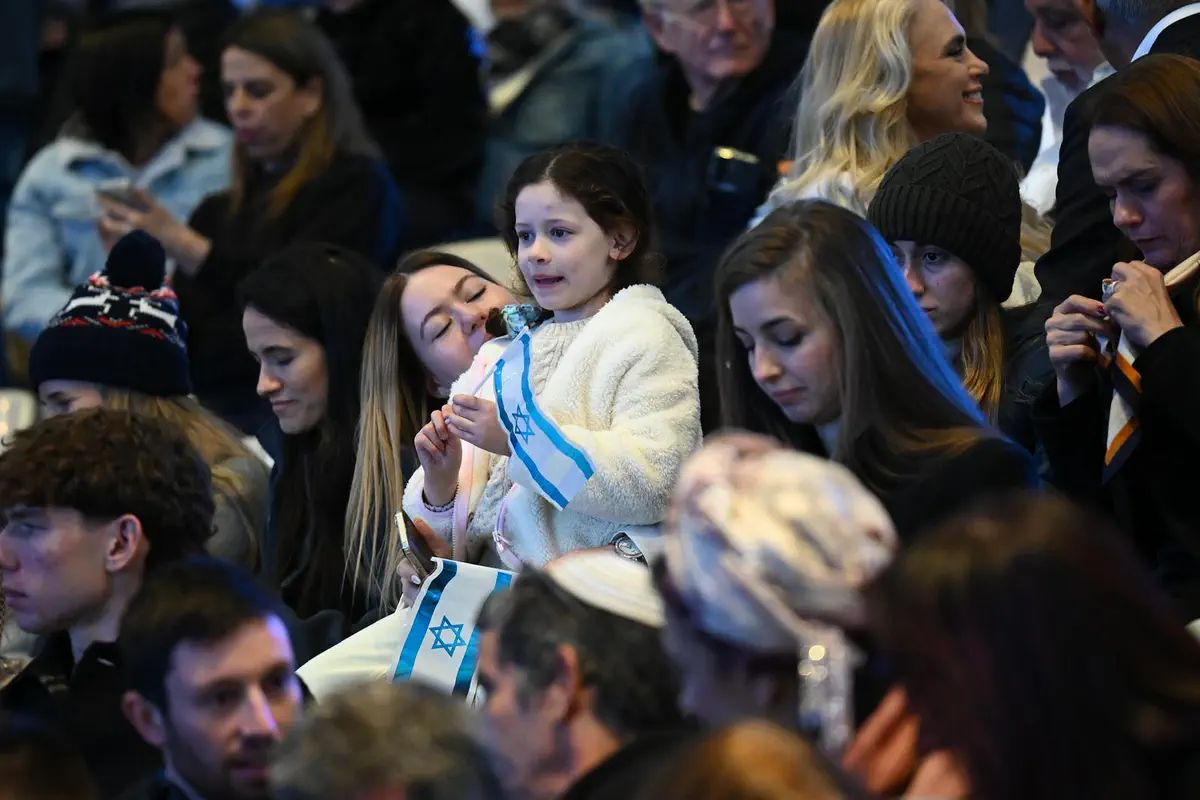
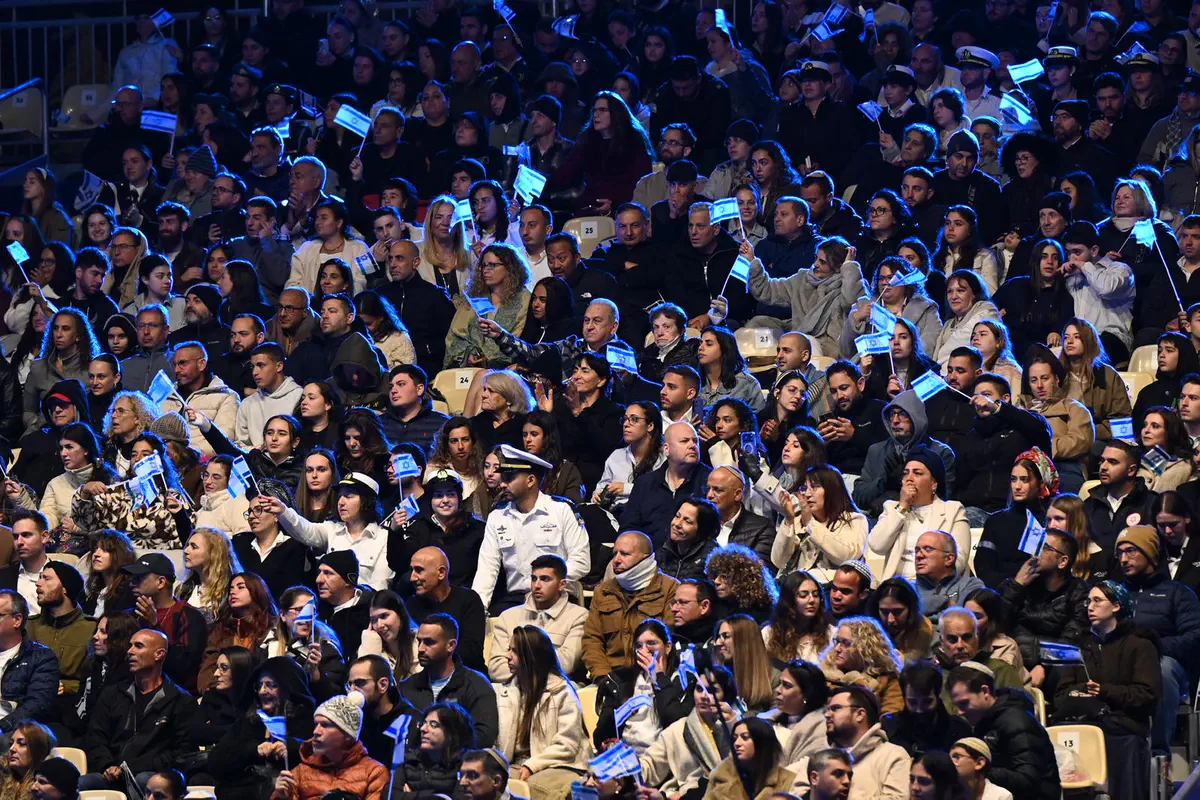
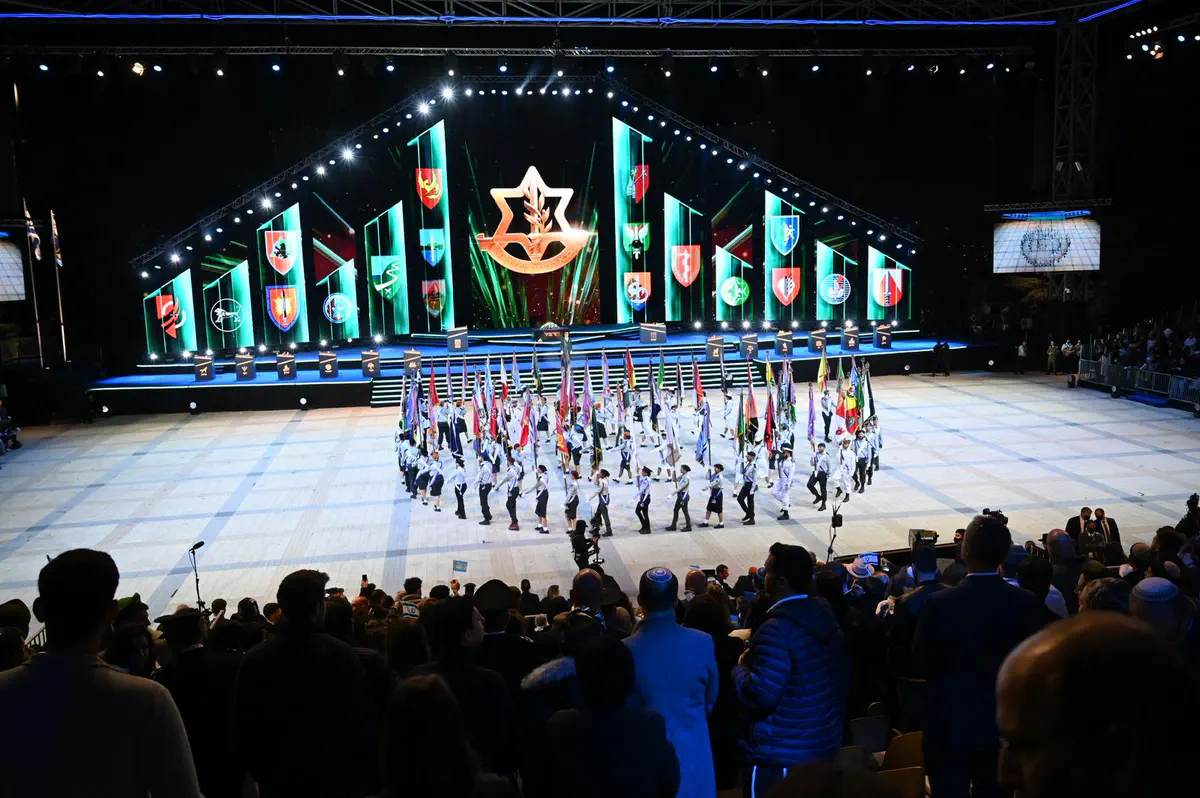
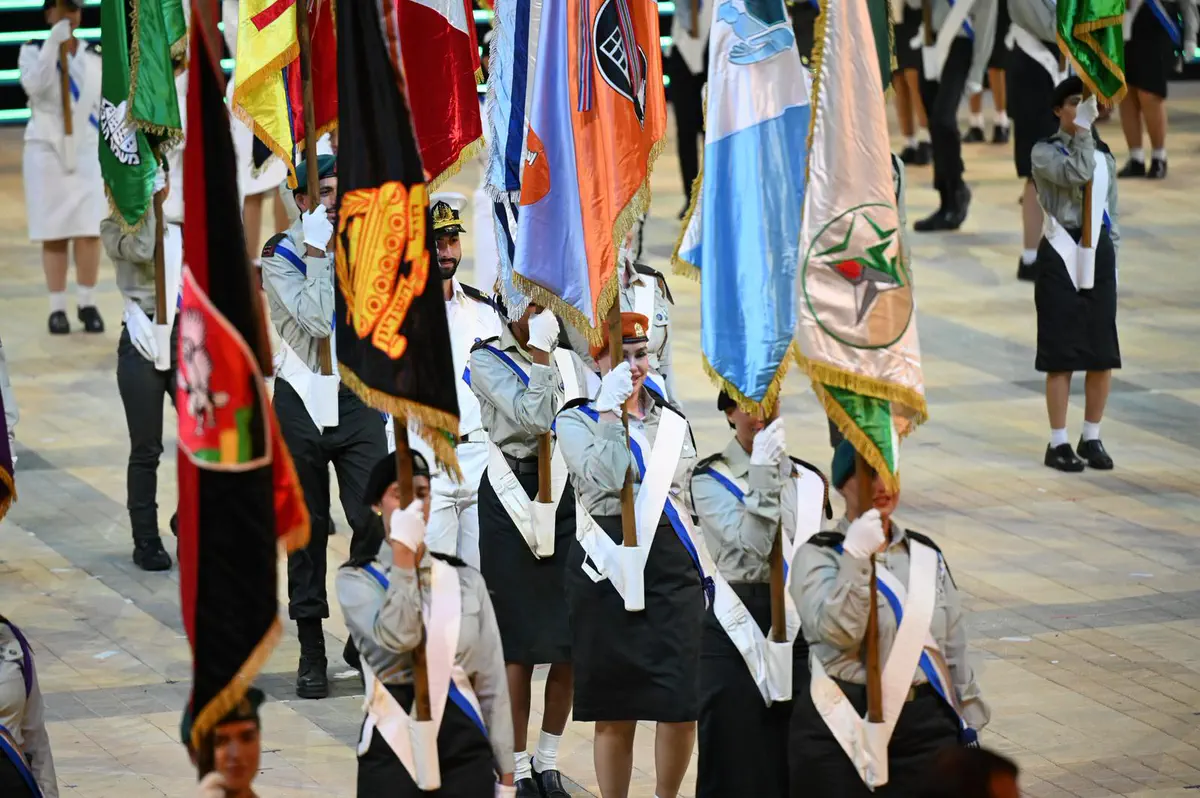
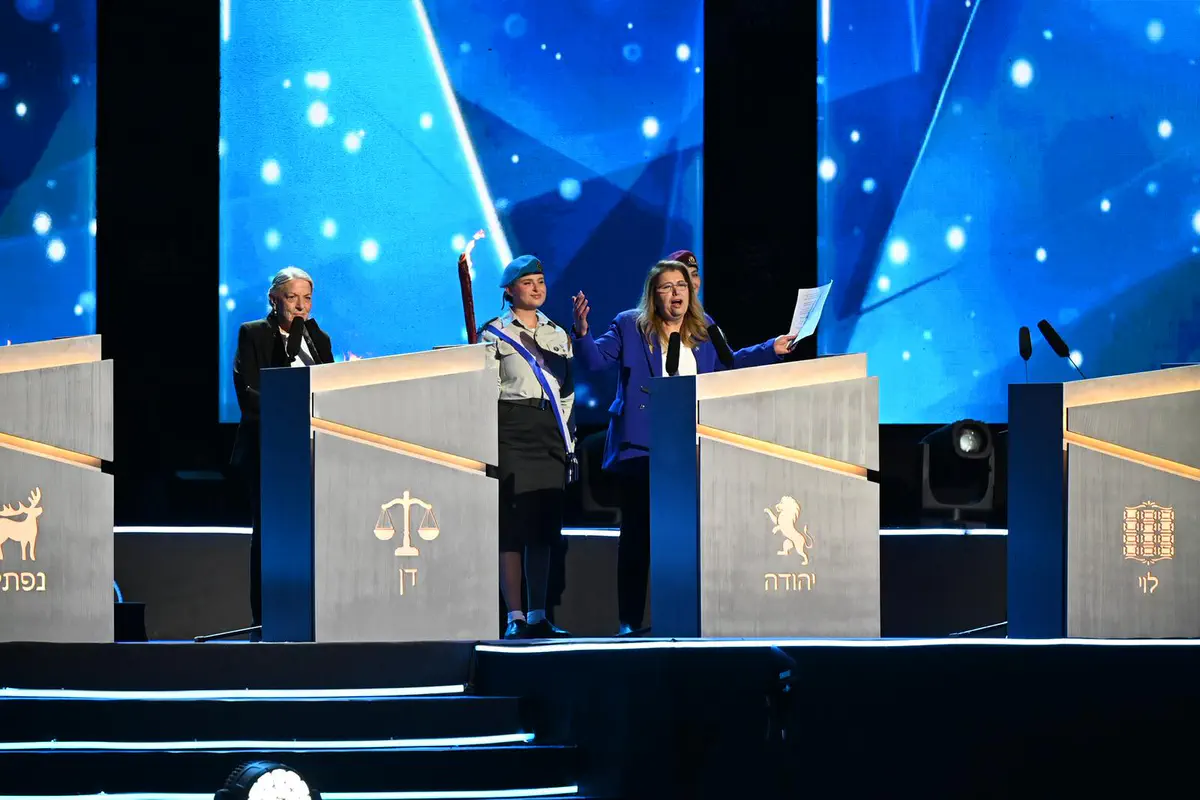
The State of Israel marks this evening (Tuesday) the sharp transition from Memorial Day for Israel’s fallen soldiers and victims of terror to the celebrations of the 78th Independence Day.
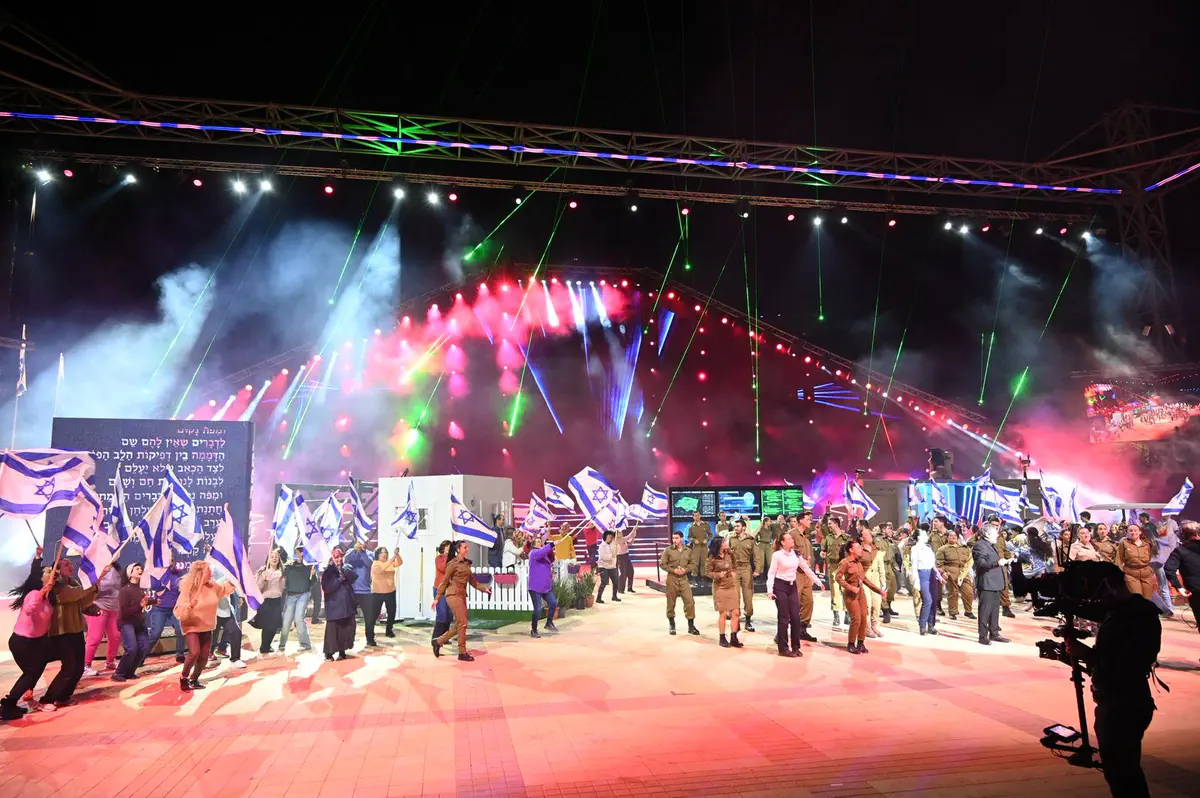
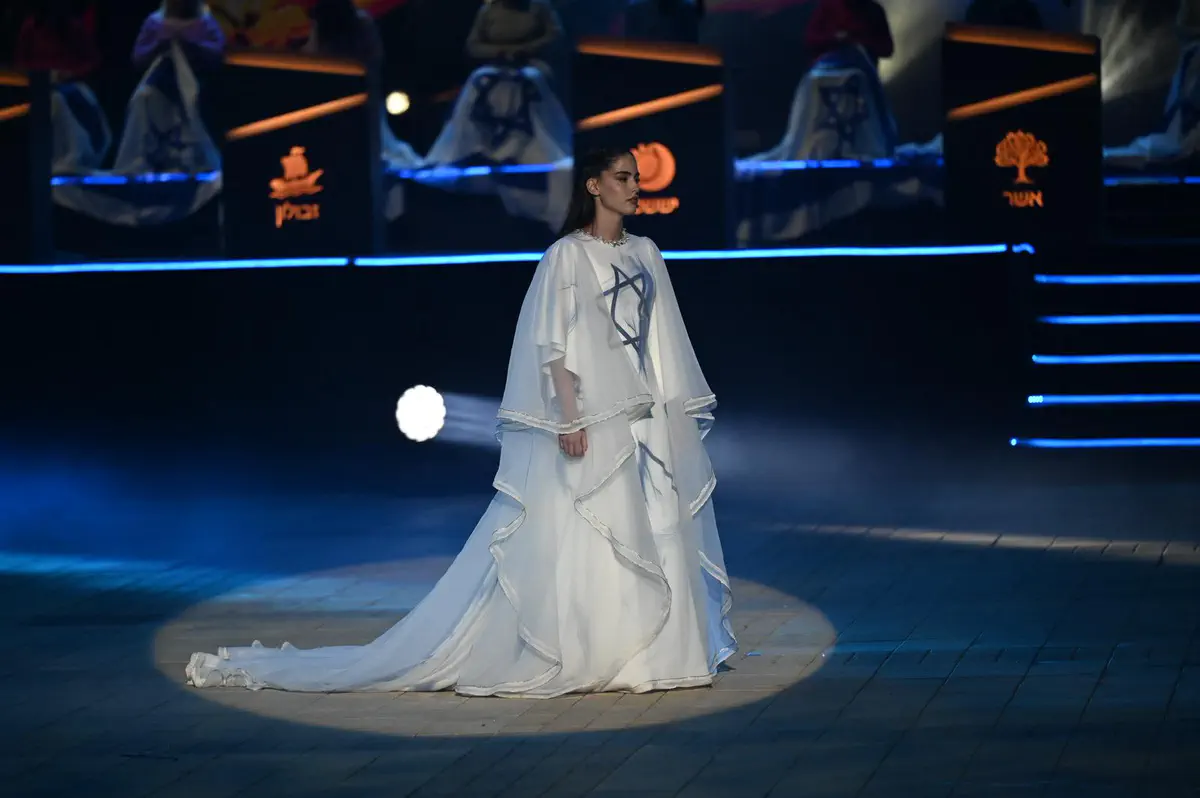
The official ceremony, held as tradition dictates on Mount Herzl in Jerusalem, is focusing this year on the theme of “Strengths of Renewal," expressing the nation’s ability to rise and grow out of the challenges of the period.
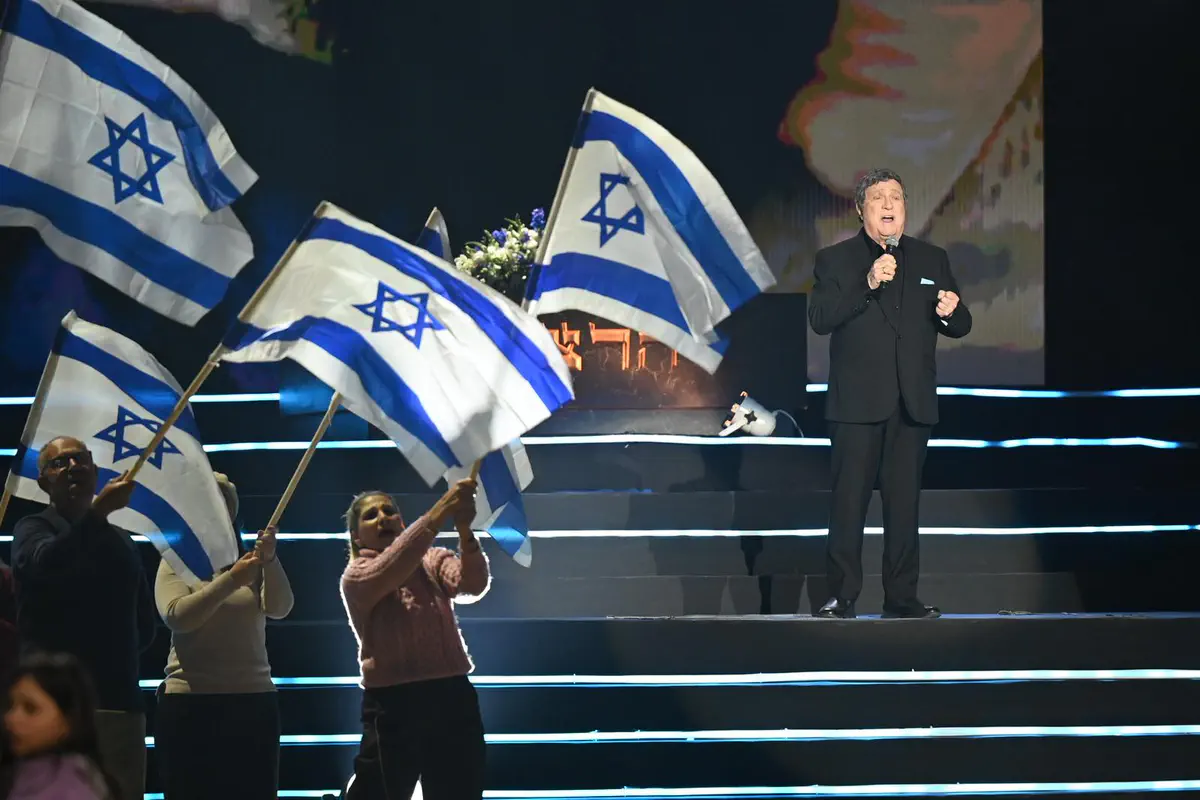
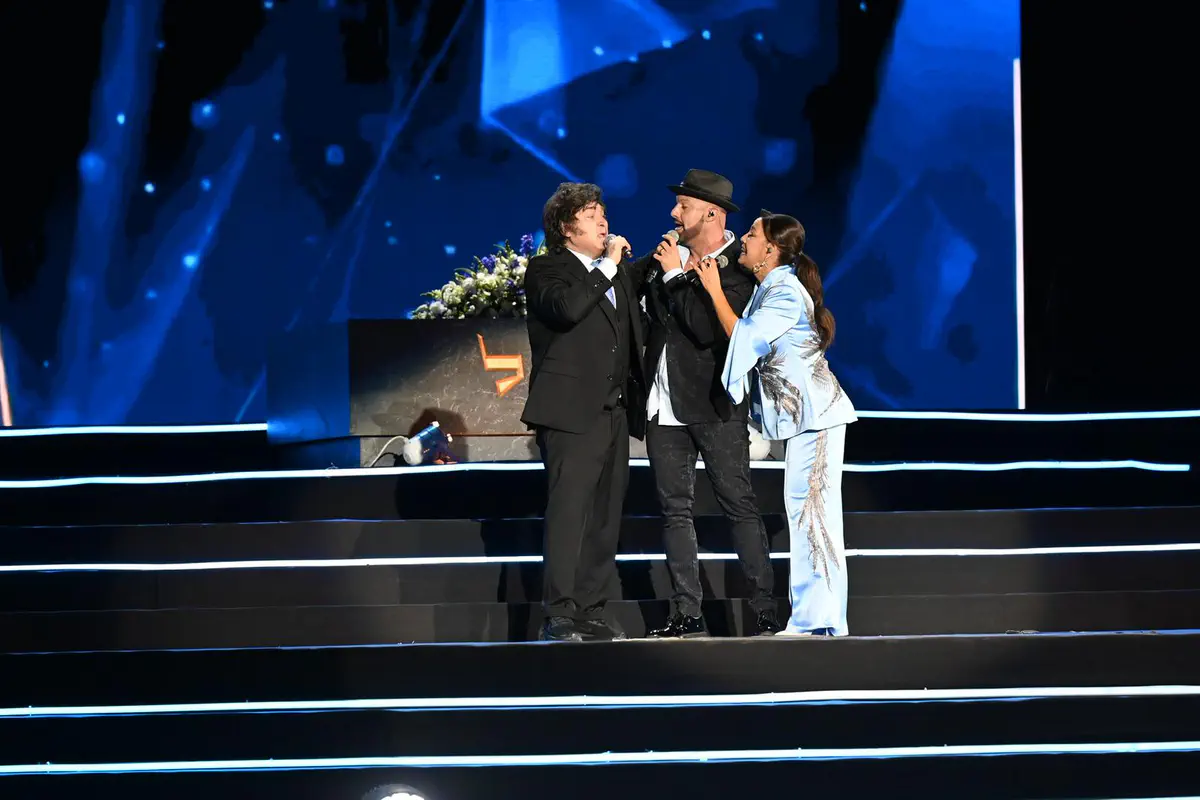
The ceremony is hosted this year by singer and songwriter Rotem Cohen and actress and television personality Mali Levi. The artistic segment of the evening will include a series of performances by leading Israeli artists, including Amir Dadon, Amir Benayoun, Sasson Shaulov, Ester Rada, and Noam Horev.
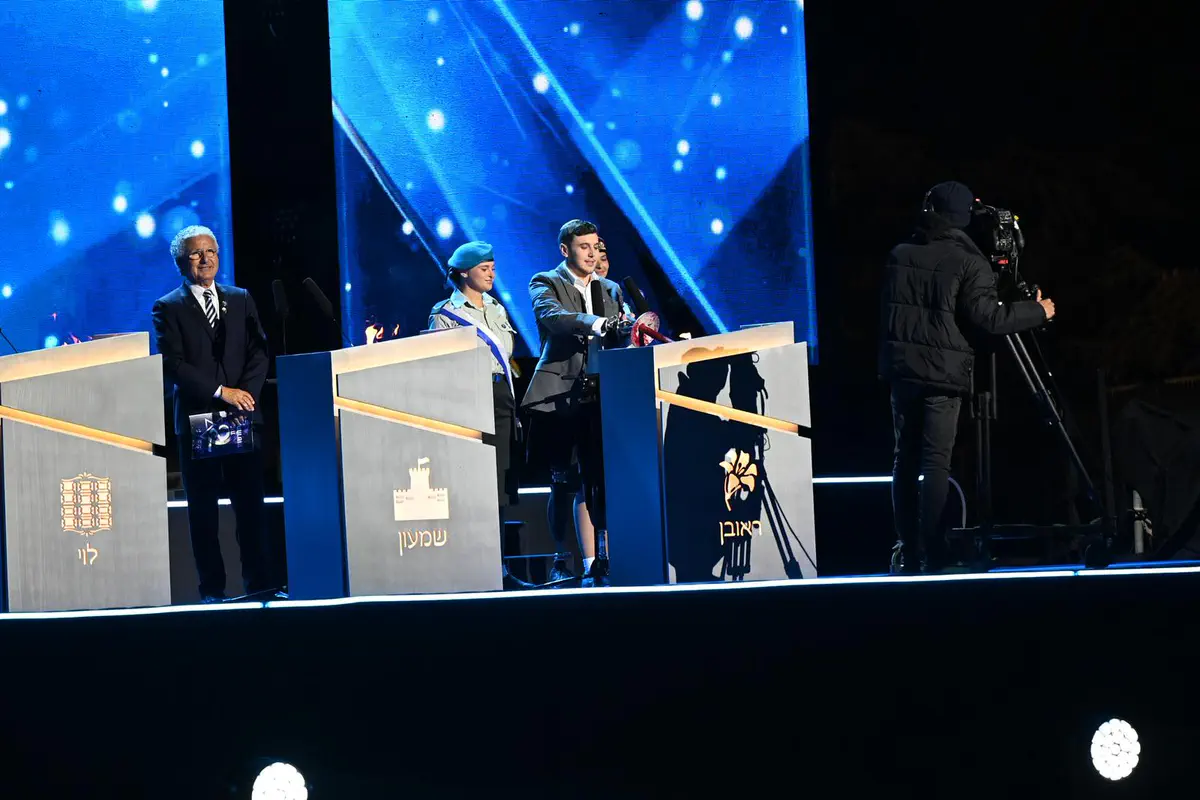
The highlight of the evening will be the 12 torchbearers announced by the minister overseeing the ceremony, Miri Regev. The torchbearers were selected for their unique contribution to Israeli society and to the national effort over the past year, and they represent a broad mosaic of heroism, volunteerism, innovation, and the Israeli spirit.
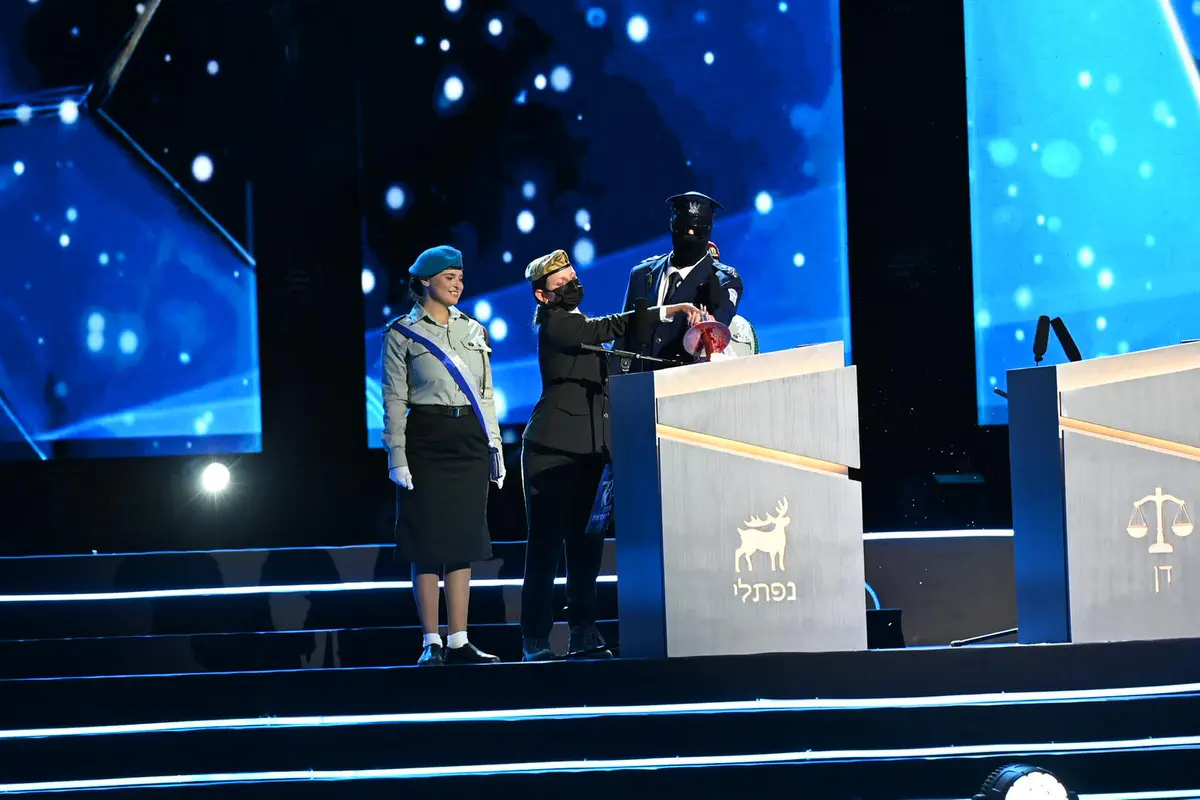
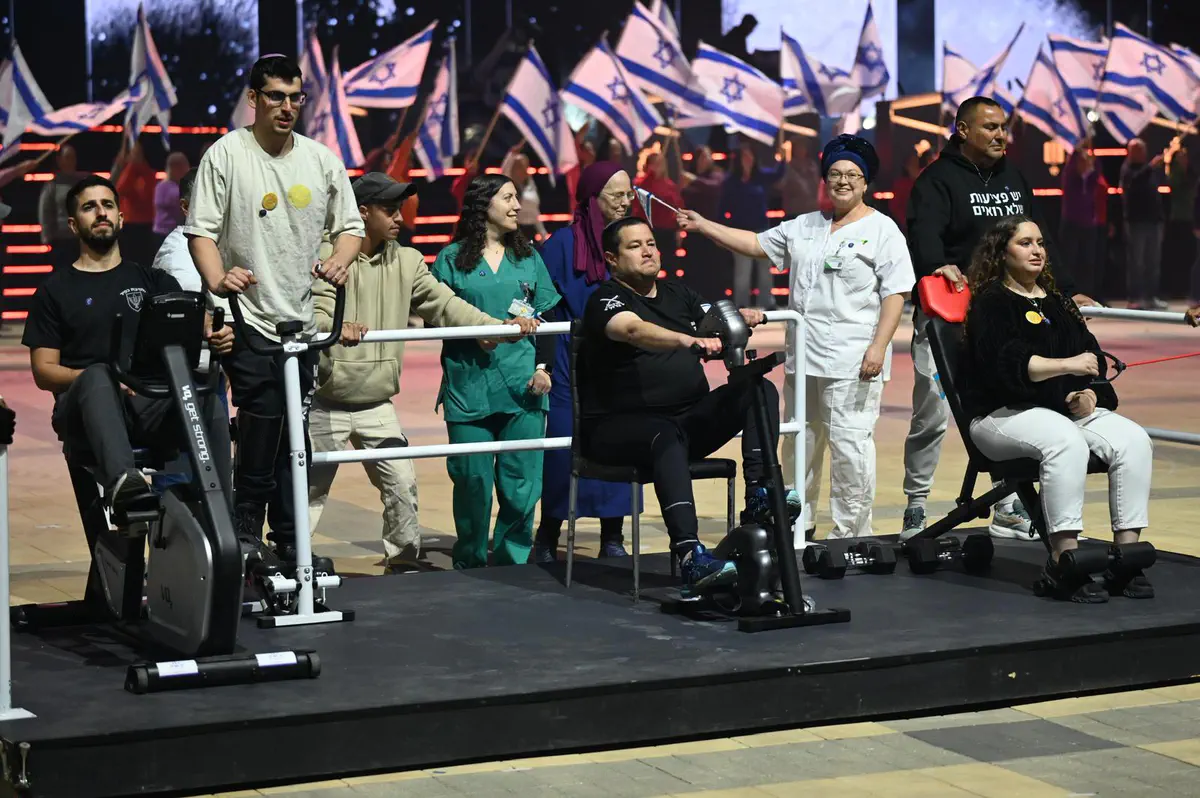
IDF representatives opened the torch-lighting ceremony. The first torch was lit by Maj. N., commander of a combat intelligence company, whose story has become a symbol of resilience. N. was wounded twice in combat; the second injury led to the amputation of her leg. After two years of rehabilitation at Beilinson and Reuth hospitals, she announced her intention to return to active service in the coming months.
In her address she said she dedicates the torch to wounded soldiers undergoing rehabilitation, stressing the support of families and communities behind them: “We could not have gone through this without you."
Alongside her, Lt. Col. M., a key figure in shaping the operational plans of the Air Force, lit a torch. The ceremony highlighted the Air Force’s achievements in operations “Roar of the Lion" and “With the Brave," in which it reportedly struck senior Iranian leadership infrastructure and destroyed missile development and enrichment facilities.
Lt. Col. M. dedicated his torch to all IDF systems and air defense units that intercepted tens of thousands of missiles, declaring Israel’s resolve to counter any threat and concluding with a prayer for peace.
The second torch honored Israel’s high-tech sector and was lit by Gili Raanan, a prominent figure in the Israeli tech ecosystem and former Unit 8200 veteran. He described the industry as a bridge between security, economy, and innovation, comparing modern entrepreneurs to the country’s early pioneers. He also referenced his late daughter, who died in the Nahal Tzafit disaster, saying her memory drives his pursuit of a better future.
The third torch was dedicated to Israel’s medical teams and lit by Prof. Dina Ben Yehuda, head of hematology at Hadassah and medical education at the Weizmann Institute. She dedicated the torch to healthcare workers who have faced years of crises, from COVID-19 to the current war, and spoke emotionally about her nephew, a combat medic killed on October 7 after saving others.
The fourth torch honored the alliance between Israel and the Druze community, lit by Tamer Attallah, who emphasized the “shared destiny" and long-standing partnership between the communities, thanking Druze communities in Israel and abroad.
The fifth torch recognized the resilience of northern border communities. Ora Hattan from Moshav Shtula, whose restaurant was damaged in the war, was honored for turning her kitchen into a humanitarian center preparing daily meals for IDF soldiers. She dedicated the torch to residents of the north and called for the Galilee’s renewal.
The sixth torch highlighted Israeli cuisine and was lit by chef Assaf Granit, who served in reserve duty during the war and supported displaced families. He dedicated the torch to Jerusalem, unity within Israeli society, and the resilience of the restaurant industry.
The seventh torch was lit by Ronnie Inzaz, who grew up in Iran during the Islamic Revolution and risked his life to help save Jewish detainees while serving in the Iranian judicial system. He dedicated his torch to the Iranian people and called for freedom and the collapse of the regime.
The eighth torch focused on the return of hostages. Talik Gvili, mother of Ran Gvili, whose body was returned after two years, and coordinator Gal Hirsch lit the torch together. She thanked the government for its efforts and called for unity while sending a message of defiance to Israel’s enemies.
The ninth torch honored Israeli culture and cinema. Moshe Edri dedicated the torch to filmmakers and artists across the country, recalling his journey from Dimona and paying tribute to his late brother and partner Leon Edri.
The tenth torch highlighted the integration of Torah study and military service. Rabbi Avi Zarbiv, a judge and reservist bulldozer operator with nearly 800 days of service, dedicated the torch to IDF engineering and logistics units, praising their crucial role in battlefield success.
The eleventh torch was dedicated to the tens of thousands of IDF soldiers wounded in the campaign. Ari Spitz, a Givati Brigade fighter who was critically wounded in Gaza, lost both his legs and one arm and was sedated and on a ventilator for weeks, lit the torch in honor of the wounded and their families.
The hosts recounted Ari’s story of heroism. After being called up on Simchat Torah, Ari fought in Gaza until the moment a booby-trapped building in which he and his platoon were staying exploded. The incident claimed the lives of two of his commanders, and Ari himself was critically injured. After six weeks during which he was sedated and on a ventilator, Ari awoke to a new reality in which he had lost both legs and one arm. However, as Mali Levy noted during the ceremony, “Ari’s spirit never fell for a moment." Armed with the love of his family and friends, he embarked on an extraordinary rehabilitation journey that ignited hope in many hearts.
“I light this torch in honor of the tens of thousands of war wounded who are undergoing a long and challenging rehabilitation journey. In honor of their steadfastness in the long and complex mission of returning to life. This is another war-and in it too, we have no choice but to win," Ari said.
As a graduate of hesder yeshivot, Ari emphasized the combination that guides his life: “In honor of the hesder yeshivot in which I was raised, which prove that Torah and meaningful military service are two pillars that complement one another. In honor of the privilege of being part of the great Jewish and Zionist mission in history."
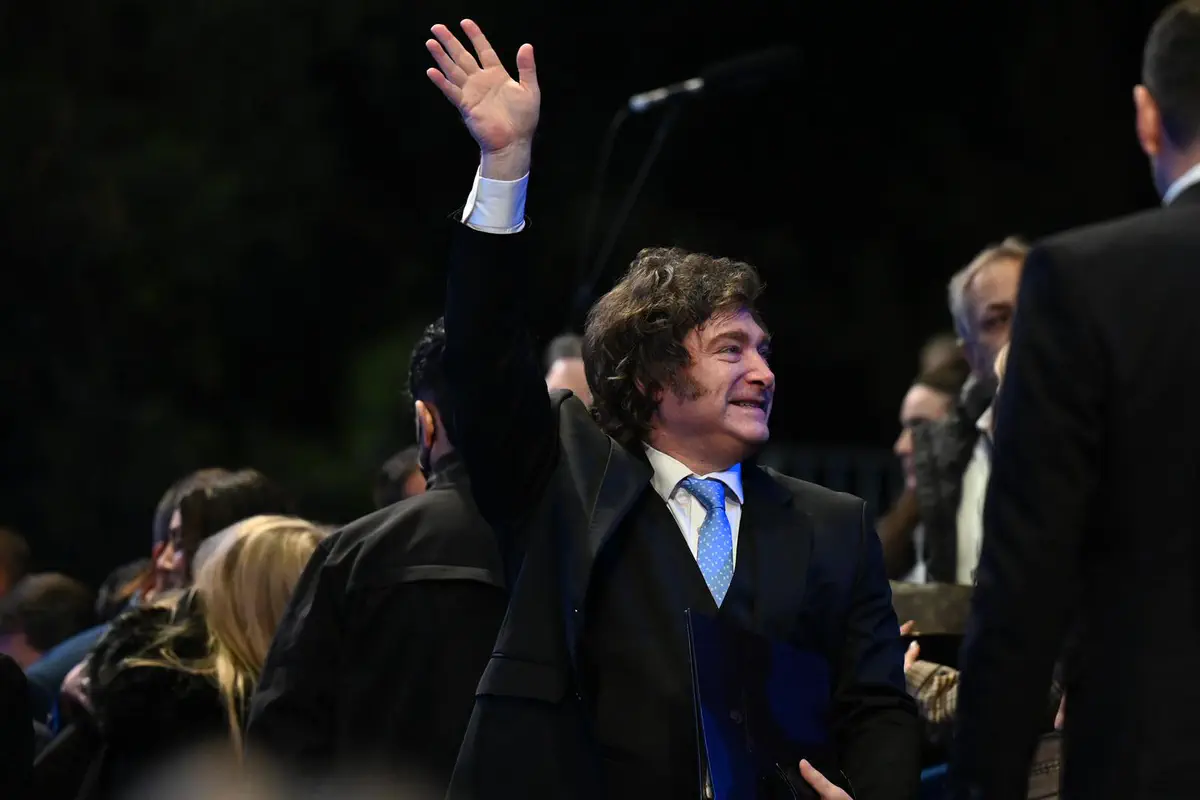
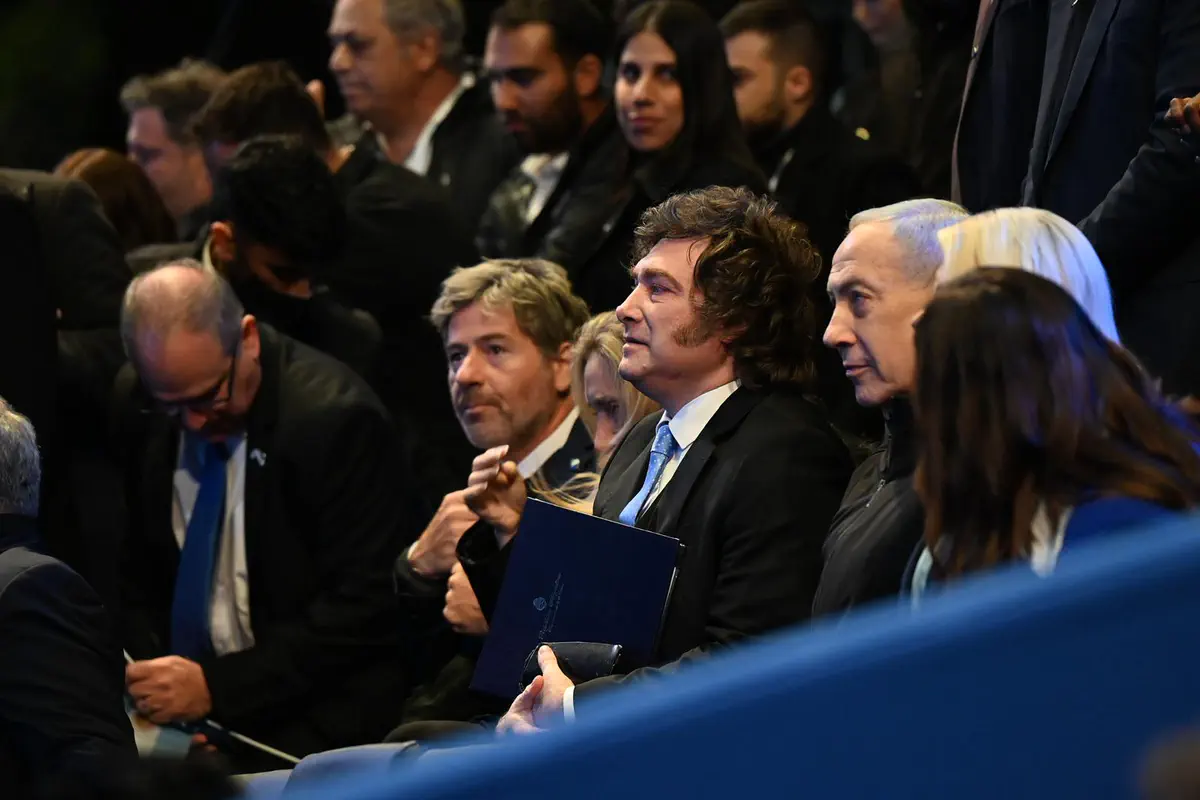
The twelfth and final torch was lit by Javier Milei, President of Argentina and one of Israel’s closest friends in the world. In a powerful speech combining a philosophy of freedom, quotations from Jewish sources, and a commitment to move the embassy to Jerusalem, Milei concluded the ceremony to the applause of the crowd: “Light always overcomes darkness."
President Milei, known for his deep connection to Jewish tradition, opened his speech with a moving gematria analysis of the current year of independence. He noted that the Hebrew letters ע"ח (78) symbolize two profound meanings for him: “eternal freedom" and “a tremendous friend."
“My presence here is not by chance," Milei declared. “The transition from darkness to light is painful, but as Hanukkah teaches us-the truth and time will always overcome hatred. Israel’s independence is a watershed in human history."
At the climax of his speech, President Milei reiterated his most significant diplomatic declaration, standing in the heart of the capital: “From this holy place, Jerusalem, I wish to reaffirm our intention to move Argentina’s embassy to Jerusalem, the spiritual capital of this nation. We are not only partners-we are friends united by shared moral values."
The president concluded with the calls “Am Yisrael Chai!" and “Long live freedom!" and ended in Hebrew with emotion: “For the glory of the State of Israel."