


New details have emerged regarding ongoing negotiations between the United States and Iran, even as uncertainty continues to surround both the talks and a possible agreement.
According to Channel 12, discussions in recent days have focused on several key provisions that could form the basis of a deal to end the conflict. Among the reported elements are a halt to uranium enrichment for 15 years, converting existing uranium into fuel, and the implementation of comprehensive oversight over Iran’s nuclear facilities. The framework also reportedly includes reopening the Strait of Hormuz, ending the war, withdrawing US forces, and lifting economic sanctions.
The report noted that negotiations have encountered difficulties, although it remains unclear which specific issues are proving contentious. Israeli officials are said to be concerned that such an agreement would delay, rather than eliminate, the Iranian threat while allowing the current regime to remain in power. Particular concern has been expressed regarding the removal of sanctions, which are viewed as having weakened Iran’s economy over time.
Vice President JD Vance is expected to lead a US delegation for another round of talks with Iran in Islamabad ahead of the scheduled end of the ceasefire on Tuesday night. However, Iranian participation has not been confirmed, with officials in Tehran reportedly expressing skepticism about US intentions.
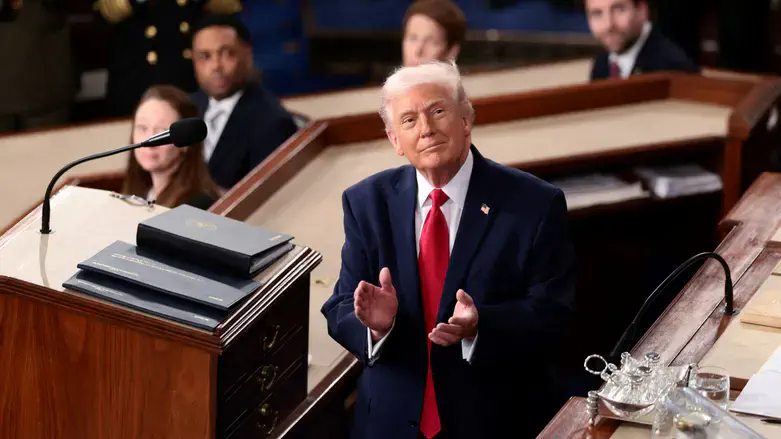
In a call with Axios, President Donald Trump voiced optimism regarding the prospects for an agreement. “I feel fine about it. The concept of the deal is done. I think we have a very good chance to get it completed," Trump said.
At the same time, Iranian officials have reportedly lowered expectations and raised concerns that US statements about negotiations could be a pretext for renewed military action. Iran’s state news agency denied that talks were planned and criticized what it described as shifting US demands and a lack of clear prospects for productive negotiations, according to Axios.
Tensions escalated further after Iran targeted several commercial vessels and announced the renewed closure of the Strait of Hormuz. The development followed US decisions regarding the blockade and coincided with claims from Tehran that Washington had adopted more stringent positions.
President Trump convened a meeting with senior officials in response to the developments, while continuing to signal interest in reaching a deal. At the same time, he warned of significant consequences should negotiations fail, reiterating the possibility of military escalation.
With the ceasefire deadline approaching, it remains unclear whether the reported talks will proceed or yield an agreement.