

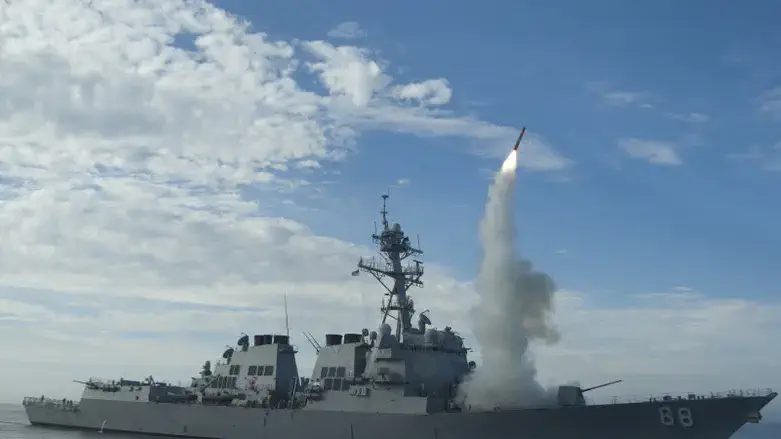
US media outlets reported over the weekend that the US military’s stockpile of Tomahawk missiles is being depleted amid the war with Iran.
According to a report in The Washington Post, the US military has launched more than 850 Tomahawk missiles during the first four weeks of the war with Iran, according to sources familiar with the details.
The accelerated use of precision-guided missiles has raised concerns among Pentagon officials regarding the rate of consumption and existing inventory levels.
These missiles, which can be launched from warships and submarines, have been a key component of US strikes since the 1990s. However, production rates amount to only a few hundred per year, limiting the ability to quickly replenish stockpiles.
US officials noted that the extensive use of the missiles could require transferring stockpiles from other regions in the world, alongside a long-term effort to increase production. At the same time, the Pentagon is closely monitoring consumption rates and their implications for future operations.
One official described stock levels in the Middle East as “alarmingly low," while another warned that without immediate steps, the military is approaching a “Winchester" state - a military term for running out of ammunition. However, a Pentagon spokesperson told the Washington Post that the military “has everything it needs to execute any mission at the time and place of the President’s choosing and on any timeline."
At the same time, administration officials rejected claims of shortages, asserting that the US maintains sufficient stockpiles to continue the fighting. It was also reported that over 1,000 interceptor missiles have been used against Iranian counterattacks, and these stockpiles are also limited.
According to estimates, a significant portion of the missiles were launched in the early days of the operation. The cost of a single missile can reach approximately $3.6 million, and production can take up to two years, highlighting the challenge of replenishing the inventory.