

Gulf Arab states are now warning against stopping the war against Iran in a way that would leave Tehran capable of threatening the region’s oil lifeline and the economies that depend on it, Gulf sources told Reuters.
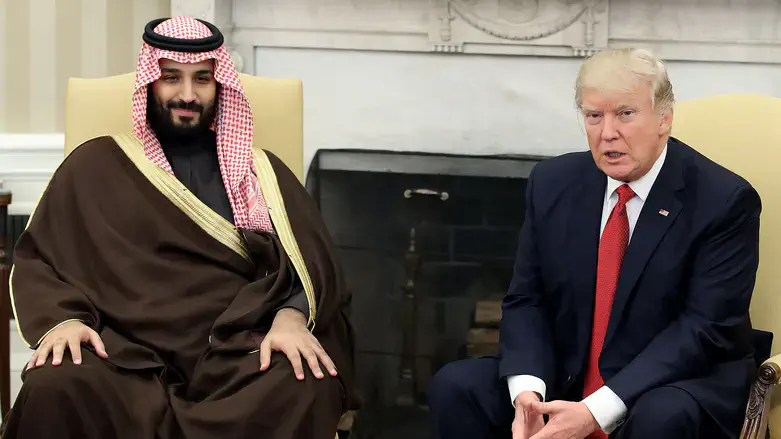
At the same time, officials from the Gulf and diplomats from Western and Arab countries said Washington has been encouraging regional states to demonstrate support for the US-Israeli operation. Several of those sources said President Donald Trump is seeking visible backing from regional partners to reinforce the effort’s standing internationally and domestically.
“There is a wide feeling across the Gulf that Iran has crossed every red line with every Gulf country," Abdulaziz Sager, head of the Saudi-based Gulf Research Center, told Reuters, adding that earlier opposition to war shifted after attacks were attributed to Iran.
Iran has shown its ability to strike across the region, targeting infrastructure in the six Gulf states, including airports, ports, oil installations, and commercial hubs. Missile and drone activity, along with disruptions to shipping through the Strait of Hormuz, has highlighted the vulnerability of a route that carries a large share of global oil supplies.
Gulf sources said these developments have intensified concern that any outcome allowing Iran to retain meaningful offensive capabilities would leave the region exposed to continued pressure. As the conflict moved into its third week, one source said leaders increasingly favor a decisive weakening of Iran’s military capacity, warning that a partial outcome would leave an ongoing threat.
Relations between Iran and its Sunni Arab neighbors have long been strained, particularly as many Gulf states maintain close ties with the US and host American forces. Previous incidents involving attacks on energy infrastructure have contributed to persistent tensions.
Officials said the latest escalation has had effects beyond physical damage, undermining perceptions of stability that support economic diversification efforts, including trade and tourism.
Responding to concerns, the White House said the US is working to reduce Iran’s ability to deploy and produce weapons, adding that President Trump remains in close contact with regional partners.
The United Arab Emirates said it does not seek escalation but emphasized its commitment to safeguarding sovereignty and security.
Sources indicated that unilateral military action by individual Gulf states remains unlikely due to the risk of retaliation, while coordination among members of the Gulf Cooperation Council has so far been limited.
Despite mounting pressure, Gulf leaders remain wary of provoking a broader conflict. US Defense Secretary Pete Hegseth said regional partners were increasing cooperation, particularly in defensive coordination, without detailing further steps.
A senior UAE official said the country had exercised restraint following Iranian claims regarding the use of its territory in military activity.
Sager said Saudi Arabia could be compelled to respond if critical thresholds are crossed, such as attacks on major infrastructure or significant casualties, though any response would likely be calibrated to avoid escalation.
Analysts describe the situation as a strategic dilemma, with Gulf states weighing immediate security concerns against the risks of deeper involvement in a wider conflict led by the US and Israel.
Iran’s demonstrated ability to disrupt shipping in the Strait of Hormuz remains a central concern, with implications for global energy markets.
President Trump has called for the formation of an international coalition to help secure maritime traffic through the waterway, though progress has been limited.
Experts noted that major Asian economies, which depend heavily on Gulf energy exports, may also face expectations to contribute to safeguarding shipping routes.