

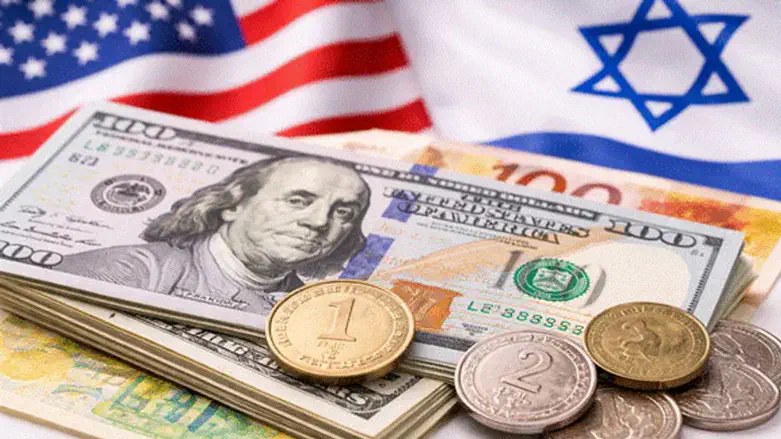
Geopolitical risk has been one of the key drivers of the Israeli shekel (ILS) in recent years. This DailyForex outlook reviews how major conflicts have affected USD/ILS and what traders should watch if regional tensions ease by March 2026, based on historical patterns and current market dynamics.
Why the Shekel Moves With Geopolitical Risk
The Israeli shekel is supported by strong fundamentals, including a resilient technology sector and steady foreign investment. However, it carries a persistent geopolitical risk premium.
During periods of conflict, foreign investors often reduce exposure to Israeli assets, while local institutions increase dollar hedging. This creates higher demand for the U.S. dollar and pushes USD/ILS upward. When tensions ease, capital typically returns, risk premiums fall, and the shekel strengthens.
For traders, this makes the ILS a highly risk-sensitive currency that reacts quickly to changes in regional stability. Because geopolitical developments often influence sentiment before economic data reflects the impact, following real-time forex news and broader market analysis is essential for understanding shifts in USD/ILS direction.
Operation Protective Edge (2014): Limited Impact
During Operation Protective Edge, USD/ILS rose modestly as investors priced in short-term risk. However, the move was relatively contained, and the currency stabilized soon after the operation ended.
The limited impact reflected strong investor confidence in Israel’s economic fundamentals and the expectation that the conflict would not significantly disrupt long-term growth.
Guardian of the Walls (2021): Temporary Risk Premium
The May 2021 escalation produced a similar reaction. USD/ILS moved higher during the conflict as geopolitical risk increased, but the effect was short-lived.
Once conditions stabilized, capital inflows resumed and the shekel strengthened later in the year. The episode reinforced the pattern that localized conflicts tend to create temporary volatility rather than lasting currency weakness.
The Gaza War (2023): A Larger Market Reaction
The October 2023 war triggered a much stronger response. USD/ILS surged sharply as investors shifted toward safe-haven assets and concerns grew about a prolonged conflict and rising fiscal costs.
The Bank of Israel announced a large foreign-exchange support program, which helped stabilize markets and reduce extreme volatility. Although the shekel later recovered part of its losses, the episode led traders to price in a higher ongoing geopolitical risk premium.
Regional Risk and Iran: The 12-Day War in June 2025
The brief escalation with Iran in June 2025 introduced broader regional risk. Because Iran-related tensions carry implications for global energy markets and Middle East stability, USD/ILS reacted quickly, with higher volatility and increased demand for dollars.
Although the move partially reversed after de-escalation, the event highlighted the shekel’s growing sensitivity to wider regional developments, not just localized conflicts.
How the Dollar Moved Since the Israel-U.S. Confrontation With Iran Began
Since the escalation began over the weekend, the USD/ILS reaction reflects a classic geopolitical risk pattern, with several forces driving the dollar’s movement against the shekel.
Immediate risk-off demand for the dollar
At the start of the escalation, investors moved quickly into safe-haven assets. The U.S. dollar strengthened globally, and local demand for foreign currency increased as both institutions and corporates sought protection against further uncertainty.
Wider risk premium on Israeli assets
Markets priced in a higher geopolitical risk premium. Foreign investors reduced exposure to Israeli equities and bonds, creating additional demand for dollars and pushing USD/ILS higher in the early phase of the event.
Institutional and corporate hedging activity
Local institutions, importers, and companies increased their dollar hedging over the weekend and into the first trading sessions. This defensive positioning added short-term pressure on the shekel.
Liquidity and positioning effects
Because the escalation occurred outside regular trading hours, part of the move reflected thin liquidity and rapid repositioning. Early price gaps were driven more by risk management flows than by fundamental economic reassessment.
Signs of stabilization after the initial spike
Following the initial jump, the pair showed periods of consolidation as markets waited for clarity. Traders shifted from panic positioning to headline-driven trading, with intraday moves closely tied to security developments and official statements.
How Traders Use DailyForex Signals to Navigate USD/ILS
Because geopolitical markets often move before official data reflects the change, many traders rely on real-time technical and sentiment indicators.
DailyForex provides currency trading signals and market analysis that help traders identify potential opportunities in volatile pairs such as USD/ILS.

These signals typically combine:
• Key support and resistance levels
• Momentum and trend indicators
• Risk sentiment analysis
• Dollar strength across major pairs
In periods of geopolitical tension, breakout signals and volatility-based strategies become especially relevant, as USD/ILS often reacts quickly to headlines.
Learning From Market Context with Pairs of Aces: The DailyForex Podcast
Beyond daily signals, understanding the broader macro environment is essential when trading a geopolitically sensitive currency like USD/ILS.
The DailyForex podcast, Pairs of Aces, features analysis from experienced market professionals including Adam Lemon, the company’s Chief Analyst. The discussions focus on:
• Central bank policy and interest-rate expectations
• Global risk sentiment and capital flows
• Major geopolitical developments affecting currencies
• Cross-market relationships between forex, commodities, and equities
With years of trading and market analysis experience, Adam Lemon and the DailyForex team connect technical setups with real-world economic and financial developments. For USD/ILS traders, this broader perspective is particularly valuable, since the pair is influenced not only by local events, but also by U.S. yields, global dollar trends, and emerging-market risk appetite.
Outlook for USD/ILS in 2026
Looking ahead, the direction of USD/ILS will likely depend on three key drivers:
Geopolitical stability
A sustained de-escalation would reduce volatility and support gradual shekel strengthening.
Bank of Israel policy
Currency intervention, rate decisions, and liquidity measures remain important stabilizing tools.
Global macro conditions
U.S. interest rates, Treasury yields, and overall dollar momentum will continue to shape the broader trend.
Technical levels will also play a critical role, as geopolitical shifts often trigger momentum-driven moves once key thresholds are broken.
Conclusion
Recent history shows a consistent pattern: Conflict increases volatility and weakens the shekel in the short term, but stabilization often allows the currency to recover as capital flows return and risk premiums decline.
If tensions ease by March 2026, USD/ILS could gradually move lower, although fiscal pressures and regional uncertainty may slow the pace of appreciation. In an environment where markets react to risk before economic data changes, traders need both real-time signals and broader market context.
That combination of technical analysis, geopolitical insight, forex signals, and macro discussion is why many active traders follow DailyForex to navigate complex currency movements such as the evolving outlook for the Israeli shekel.