
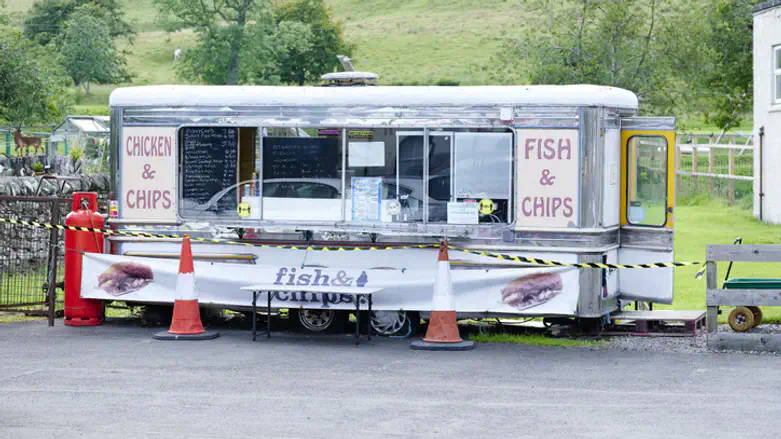
Los Angeles has long been known as one of the most dynamic food cities in the US. From street tacos and fusion cuisine to specialty coffee and dessert concepts, the city offers endless opportunities for entrepreneurs interested in mobile food vending in Los Angeles. In recent years, food trailers have become an increasingly popular alternative to traditional food trucks, allowing business owners to enter the market with greater flexibility and fewer barriers.
This guide explores why Los Angeles is a strong location for launching a food trailer business, what regulations to expect, and how thoughtful planning can help set up a sustainable mobile food operation.
Why Los Angeles is a strong market for food trailers
The size and diversity of Los Angeles create ideal conditions for mobile food business opportunities. Neighborhoods vary widely in demographics, foot traffic, and consumer preferences, allowing food entrepreneurs to test concepts without committing to a permanent location. Events, pop-ups, private catering, and permitted vending areas all contribute to steady demand.
Compared to food trucks, trailers often provide a more accessible entry point. They typically involve lower upfront investment, simpler maintenance, and greater flexibility when relocating or expanding. Many entrepreneurs looking for a food trailer for sale in Los Angeles choose this format because it balances mobility with the ability to build a consistent brand presence.
California as a whole continues to support mobile food business opportunities through a growing culture of outdoor dining, festivals, and community events. Los Angeles, in particular, benefits from year-round demand thanks to its climate and tourism-driven economy.
Regulations and permit requirements in Los Angeles
Starting a food trailer business in LA requires careful attention to local and state regulations. California food trailer regulations focus heavily on public health, safety, and zoning compliance. Before operating, owners typically need approval from the local health department, business registration, and permits related to vending locations.
Permits and compliance requirements can vary depending on where the trailer operates, the type of food being prepared, and whether the business plans to serve at events or fixed sites. Understanding these rules early helps avoid delays and unexpected costs. Many first-time operators underestimate the importance of aligning equipment, layout, and workflow with inspection standards, which can lead to costly revisions later.
Equipment, Layout, and Workflow Considerations
One of the main advantages of food trailers is the ability to design an efficient interior from the ground up. Food service equipment layout plays a critical role in daily operations, affecting speed, safety, and staff comfort. Compact but well-planned layouts allow small teams to operate efficiently even during peak hours.
Custom-built food trailers are often preferred over generic models because they can be tailored to specific menus and preparation methods. For many startups, turnkey food trailer solutions simplify the process by integrating essential equipment, plumbing, electrical systems, and ventilation in a compliant configuration. This approach reduces setup time and minimizes the risk of failing inspections.
Workflow planning should consider prep areas, cooking stations, storage, and service windows to ensure smooth movement during service hours. Even small adjustments in layout can significantly improve productivity and customer experience.
Manufacturing and compliance considerations
The food trailer manufacturing process directly impacts durability, safety, and long-term operating costs. High-quality materials, proper insulation, and commercial-grade finishes contribute to compliance and longevity. Trailers built with regulatory standards in mind are easier to certify and maintain over time.
Compliance requirements extend beyond initial inspections. Ongoing maintenance, cleanliness, and equipment servicing are essential to keeping permits valid. Choosing a manufacturer that understands food service regulations can reduce long-term risks and provide peace of mind for operators focused on growth.
Final tips for small food business startups in Los Angeles
Launching a small food business startup in Los Angeles requires more than just a good menu idea. Success depends on understanding local demand, navigating regulations, and investing in a trailer that supports efficient operations. Food trailers offer a flexible platform for experimentation, allowing entrepreneurs to refine concepts before scaling.
By focusing on compliance, smart design, and realistic budgeting, new operators can build a mobile food business that adapts to Los Angeles’ fast-paced and competitive environment. With the right preparation, food trailers can serve as a strong foundation for long-term growth in one of the country’s most exciting food markets.