

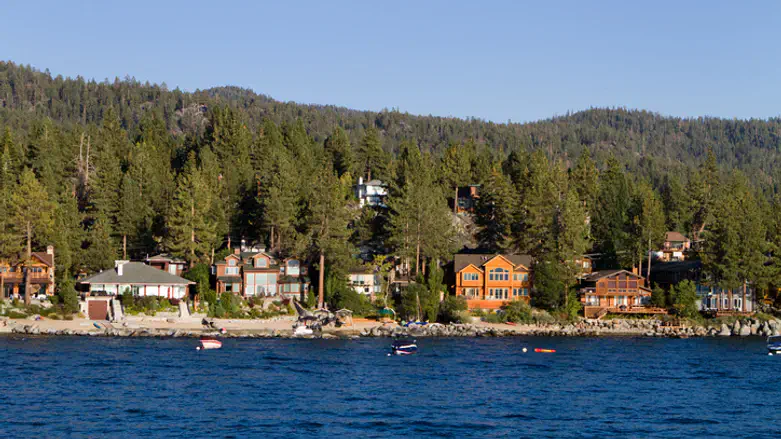
You're not the only one who has ever thought "I'd like to come here as often as I can" when standing at the edge of Lake Tahoe. Each year, thousands fall in love with the place. The crystal-clear waters, the pine-covered mountain ranges, and the fresh air. They wonder what it would be like to actually own a part of it.
Many people dream of owning a second house in Lake Tahoe. Like any major financial decision, there are real responsibilities and costs involved. This guide explains everything in plain English so that you can decide whether Lake Tahoe second-home ownership is for you.
Why so many people are buying a second home in Lake Tahoe
Lake Tahoe is located on the California/Nevada border, and it covers over 190 sq. miles. Lake Tahoe is one of the most beautiful in North America and has something that most vacation destinations lack: year-round appeal.
You can enjoy world-class skiing resorts such as Heavenly, Northstar and Palisades, right on your doorstep. The lake is transformed into a swimming pool, kayaking, stand-up paddleboarding, hiking and biking playground in the summer. The fall colors are spectacular. Even the quiet of spring is charming.
The four-season appeal of Lake Tahoe is one of the main reasons why people prefer to buy a second home there over other vacation spots. You are not purchasing a property that you will only be able to use for three months of the year. You are buying a property that you can use in all seasons and rent out when not there.
What is the actual cost?
Let's face it. Lake Tahoe isn't cheap. The prices are high because this is a premium product. Here's an idea of what you can expect:
Condos and cabins at the entry-level start between $400,000 and $600,000. They are usually smaller properties with some shared amenities. However, they allow you to get a foothold in the market.
The mid-range home -- a three-bedroom house with a nice yard and maybe just a few minutes from a lake -- is usually priced between $700,000. The second-home market is most active in this segment.
Luxury properties on the lakefront can cost anywhere from $2 million up to $10 million. You'll have to pay a lot if you want to step out of bed and onto the lake.
Budget for:
- Property tax rates vary depending on whether you purchase on the California or Nevada side of Lake Tahoe
- HOA fees - Many communities charge these monthly, and they range from $200 up to over $800.
- Snow removal and maintenance -- The winters in Tahoe can be harsh, and maintaining a functional property costs money.
- Property management -- Expect to pay 20-30% of the rental income to a property manager if you are renting out your home.
- Insurance - Wildfires in California have made homeowner's policies more expensive in recent years.
California Side vs. Nevada Side: A Big Decision
When buying a second home in Lake Tahoe, you will have to decide which side you prefer. It's a much bigger decision than people think.
California Side
California's side has popular areas such as South Lake Tahoe and Tahoe City. California has more shops, restaurants and other amenities. The California side has some of most iconic views, and access to the beach.
What's the downside? California has one of the highest income tax rates in the nation. You could be liable for state income tax if California decides that you are a resident and you spend a lot of time in your Tahoe property.
Nevada Side
Nevada does not have a state income tax, which is a major financial benefit for cities like Incline Village or Crystal Bay. This is a big reason for high-earners to consider the Nevada shore of the lake.
Nevada properties are often slightly cheaper than California equivalents, but the difference has been narrowing in recent years. The same stunning lake views and outdoor activities are available, but with a more favorable tax situation.
Can you make money with short-term rentals?
Many people are considering buying a second house in Lake Tahoe. The honest answer to this question is yes, but the process has become more complex.
Lake Tahoe is one of the most popular vacation rental destinations. A well-located three-bedroom home could earn up to $1500 per night during a busy summer or ski weekend. A well-managed home can generate gross rental income of $40,000 to $100,000 over a year.
Here's what has changed: Local regulations have become much stricter. South Lake Tahoe and Placer County have tightened up their regulations on vacation rentals. They also have strict rules about noise and occupancy. Some neighborhoods have outright banned short-term rental.
You should:
- Check if the property or neighborhood you are interested in allows short-term rentals
- Check if rental permits or a waiting list are available.
- Learn about the local laws regarding parking, occupancy, and quiet hours.
- Estimate real income by including platform fees, cleaning fees, and management costs
It's possible to offset your costs by a large amount if you do your research and locate a property that is in an area where rentals are allowed. Be realistic in your expectations.
Wildfire Reality
No honest guide to buying a second house in Lake Tahoe will skip this. Wildfires in California are a real risk, and they affect parts of the Tahoe Basin directly.
The Caldor Fire, which burned thousands of acres in 2021 near South Lake Tahoe, forced the evacuation of the entire area. This was a warning to many homeowners and potential buyers.
It doesn't mean that you should not buy. You still need to buy.
- You should always check the fire rating of any property that you are considering purchasing.
- Understanding that homeowners insurance is more difficult to obtain and costs more in high-risk areas
- Check out what the seller of the property has done to create a fire-resistant landscape and defensible area.
- Check if the property has undergone any improvements since 2021
Lake Tahoe is a low- to moderate-risk area, particularly in areas near the lake or the Nevada side. This is something that you should investigate before the closing date, not afterwards.
How Does a Day-to-Day Live Actually Look Like?
Ownership of a second residence is not just about weekend getaways. The in-between is also important -- maintenance calls, utility bills, and the drive to fix something. What do real second-home owners in Lake Tahoe have to say about their experience?
The drive. On a sunny day, the drive from San Francisco Bay Area is about 3.5-4 hours. In the ski season, this can take up to 6 hours if it's a busy weekend. It's closer from Sacramento -- only 2 hours. You can estimate how often you will use the location by calculating your drive time.
Winters are beautiful. When you are skiing, snow is amazing. When you're dealing with a frozen roof, a pipe that's frozen, or a drive you can't access, it's not as exciting. You'll need someone to watch over things if you don't go up often in the winter.
The community. Over time, many people who started as weekend visitors fall deeper in love with the Tahoe community. In places like Tahoe and Truckee, you'll find farmers markets, local eateries, arts events and a small-town atmosphere. Some second-homeowners eventually move to a full-time residence.
The question of property management. The majority of second homeowners use either a local property manager or a handyman that they can trust. It is essential to have someone who you can contact in an emergency. It's essential.
Is buying a second home in Lake Tahoe an investment?
Historically, yes. Long-term, Lake Tahoe's property values have increased significantly. Prices rose dramatically between 2020 and 2022, but the market has since cooled. Values have held better than other markets.
There are many factors that will support the value of a property in the long term: the limited amount of buildable land, the high demand of wealthy Californian buyers and the appeal of the lake. These factors aren't likely to disappear.
Real estate is not guaranteed. You should carefully calculate rental income, carrying cost, and possible appreciation if you are buying as a pure financial investment. You should only buy if you love the location and want to create a base for many years of memories with your family. If the numbers are right, this is often the best motivation.
How to Start?
Here's a guide to buying a second house in Lake Tahoe.
1. Set your budget. Include all costs, including taxes, maintenance, insurance and management. Honesty is the best policy.
2. Select your area. You can ski in and out. Lakefront? The quietness of a neighborhood, away from the tourist traffic. Nevada's tax advantage? The choices you make will narrow down your desired neighborhoods.
3. Find a local agent. This market is unique. Hire someone who knows Lake Tahoe's rental laws, HOA concerns, and fire-risk zones.
4. Rent regulations are important to know. Do this before you fall for a property if rental income is important to your plan.
5. Visit in different seasons. Visit the area in summer and winter if you can. You'll love the difference in atmosphere.
6. Plan your financing. Second mortgages are different from primary home loans. Lenders will look at your debt to income ratio for both properties and may charge slightly higher rates.
Final Thoughts
When it is the right decision, buying a second home on Lake Tahoe can be a great investment. The lake has a magical quality. It is difficult to find a lifestyle like this anywhere else -- adventure outdoors, fresh mountain air and four seasons of beauty.
It's a big commitment in terms of time, money and attention. Do your research and ensure that the numbers are right for you.