

A large stone tool workshop from the Second Temple period, which produced tools for Jews some 2,000 years ago, was uncovered in a cave on the eastern slopes of Mount Scopus in Jerusalem. In the underground cave housing this workshop were hundreds of stone vessel fragments, production waste, and unfinished items.
This striking discovery is an unexpected byproduct of an undercover surveillance and capture operation of an organized gang of antiquities robbers, executed by the Israel Antiquities Authority Theft Prevention Unit.
Suspicious activity was noted at the Ras Tamim antiquities site. When evidence of fresh excavation signs and attempts to penetrate underground appeared, Theft Prevention Unit inspectors of the Israel Antiquities Authority began conducting clandestine observations and emplacing ambush units, seeking to identify the robbers and preferably catch them in the act.
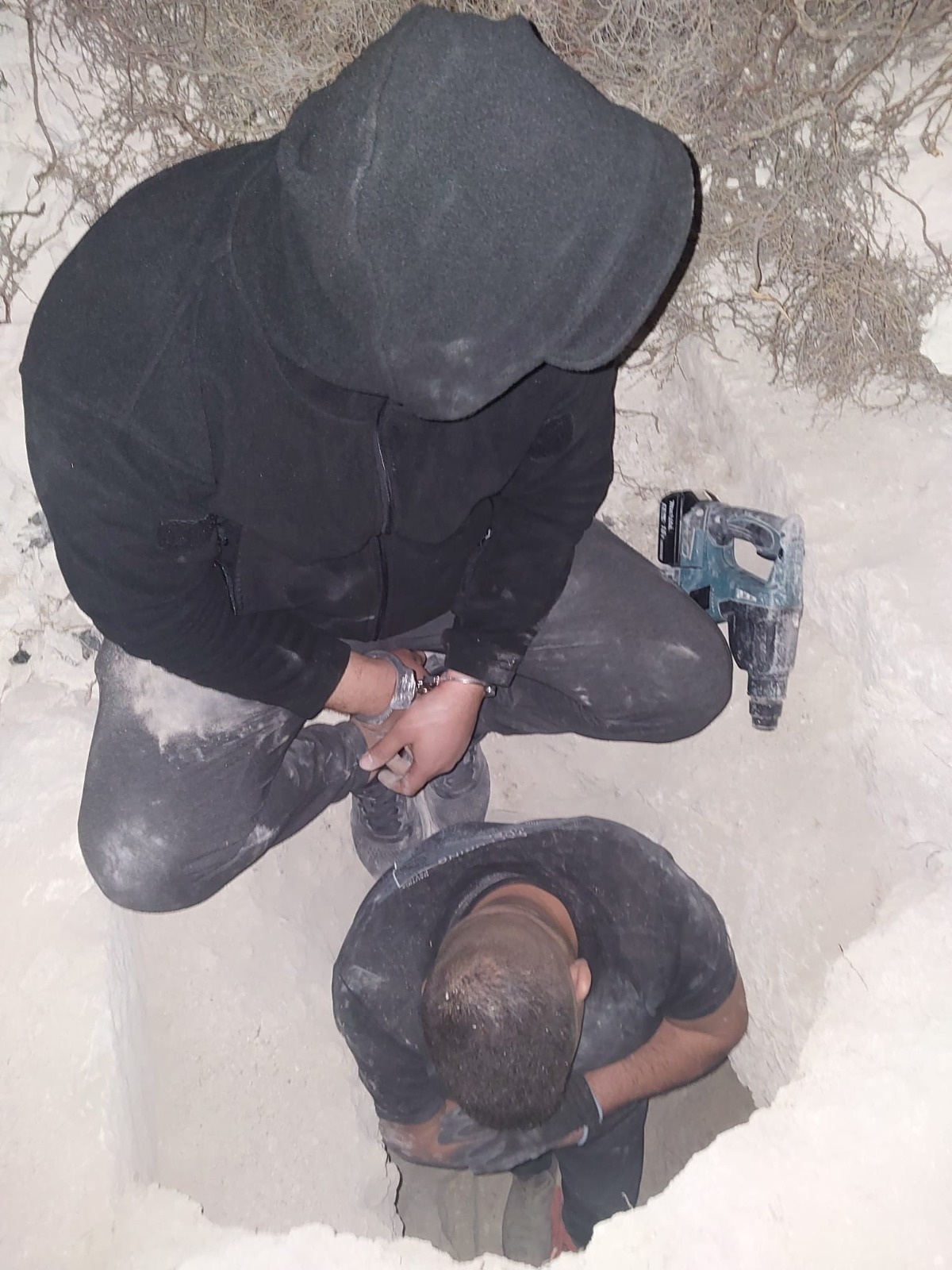
After tracking and documenting activities, late one night, five alleged robbers were arrested while in possession of extensive excavation equipment, including a generator, quarrying tools, and a metal detector. Some suspects were caught underground in the cave, while others acting as lookouts and guards were apprehended above ground.
The five suspects were formally arrested, interrogated, and indeed confessed to the charges against them. They will soon be indicted both for damage to and for illegal excavation of an antiquities site - offenses punishable by law for which the proscribed penalty is up to five years in prison.
After capturing the suspects, Israel Antiquities Authority inspectors searched the cave. To their amazement, they discovered hundreds of unique stone vessel fragments.
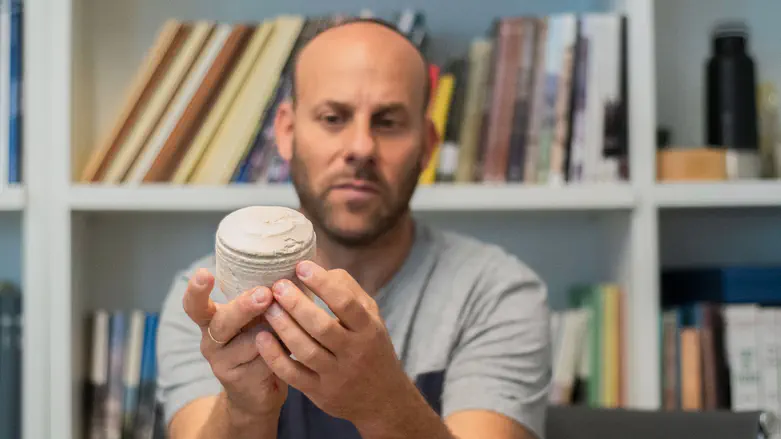
"Workshops for producing chalk limestone vessels from the Second Temple period are already known in the Judean hills," says Dr. Eitan Klein, Deputy Director of the Theft Prevention Unit at the Israel Antiquities Authority. "A workshop was discovered in the Mount Scopus area while constructing the Naomi Shemer Tunnel between Jerusalem and the town of Ma'ale Adumim to the east. Another production facility was uncovered just north of today’s Jerusalem in the village of Hizma."
"However, the discovery of this workshop is particularly important, because now a broad picture of the region is emerging: In addition to these production workshops, a host of other finds dating back to the days of the Second Temple were discovered - tombs, large water reservoirs, a purification bath (mikve) and a limestone quarry."
The discovery of the workshop reinforces the assessment that this was an important and central site located on the main ancient road used by Jewish pilgrims coming to Jerusalem from the east - the Jordan Valley and Jericho area, from communities in TransJordan and from all around the Dead Sea region. It seems that the vessels produced here were marketed in the streets of Jerusalem to both the city's residents and to visitors making a pilgrimage during the Second Temple period.
The production and use of stone vessels, based on archaeological finds and their context, was unique to the Jewish population during the later Second Temple period and its aftermath, especially in the Jerusalem and Judea area but elsewhere as well.
Ancient sources describe a revolution in the field of purity and impurity during this period, in which there was widespread strictness in the laws of impurity and purity that affected every person - this is seemingly in contrast to earlier periods, in which scholars assume purity mainly affected the priests and those serving in the sanctuary in the Temple service. Rabbinic sources apparently described this phenomenon with the expression, "an outbreak of purity in Israel" (Tosefta Shabbat 1:7). During this period, archaeology has found that purification mikves began to be installed in private homes, in villages and towns in the countryside, alongside large purification mikvahs in the city of Jerusalem, near and around the Temple environs, and along the roads leading up to Jerusalem.
According to Heritage Minister Rabbi Amichai Eliyahu, "The stone-vessel workshop uncovered in Jerusalem is not merely an archaeological site, but a window into a world preserved deep within the ground, waiting for us. Two thousand years ago, Jews ascended to Jerusalem from Jericho, Transjordan, and the Dead Sea region, and the stone vessels produced here accompanied them on their way to the Temple. Now, as the earth returns what it safeguarded for us, we are obliged to give back - to protect every root, every vessel, every layer. Attempts by our enemies to loot antiquities are not crimes of financial theft, but efforts to steal our identity. We will not allow this, and will continue to act decisively to preserve and safeguard what has always been ours, and always will be."
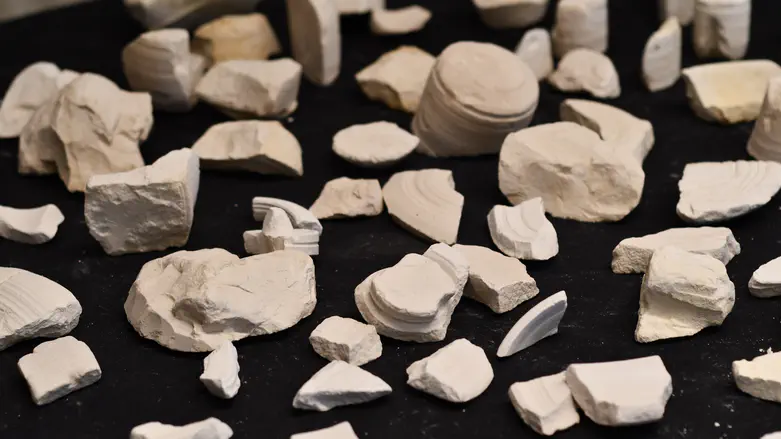
The stone vessels from the workshop are currently on display in the new exhibition "Criminal Past" at the Jay and Jeanie Schottenstein National Campus for the Archaeology of Israel in Jerusalem.