
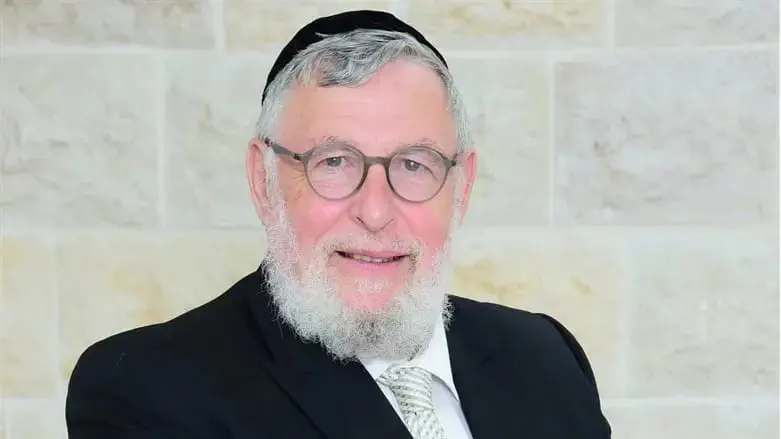
Rabbi Eliezer Simcha Weisz is a member of the Council of the Chief Rabbinate of Israel.
Nearly two years after October 7, Israel is still at war. There is no clear resolution in sight. As these lines are written, Israel’s Prime Minister is in the United States, having met with President Trump, while public discussion is filled with warnings about the most serious possibilities ahead, including the real danger of a renewed and expanded war with Iran. Stability has not yet returned. Peace has not yet been reached.
In this atmosphere, there is an ongoing debate about “the day after" - what Israel should look like once the war finally ends. Some argue that it is essential to plan now for what comes next. Others insist that it is premature to focus on the aftermath while the war itself is still unfolding.
But there is a basic truth that must not be overlooked: for many people, the day after has already arrived.
For those who were killed al kiddush Hashem, the war is over. For their parents, spouses, and children, life has changed permanently. They are now bereaved parents, widows and orphans. They are not engaged in abstract discussions about future policy or long-term strategy. They are living with a loss that cannot be undone.
Parashat Mishpatim speaks directly to this reality. The Torah does not deal only with historic moments or national decisions. It focuses on daily responsibility - on how Jews are expected to behave in the middle of crisis, especially toward those who are vulnerable and in pain.
The Torah states:
כׇּל־אַלְמָנָה וְיָתוֹם לֹא תְעַנּוּן
“You shall not afflict any widow or orphan."
(Shemot 22:21)
Rashi explains:
כׇּל אַלְמָנָה וְיָתוֹם לֹא תְעַנּוּן - הוּא הַדִּין לְכָל אָדָם, אֶלָּא שֶׁדִּבֵּר הַכָּתוּב בַּהוֹוֶה, לְפִי שֶׁהֵם תְּשׁוּשֵׁי כֹּחַ וְדָבָר מָצוּי לְעַנּוֹתָם
(Rashi to Shemot 22:21, based on the Mechilta)
This means that the prohibition applies to all people, but the Torah singles out widows and orphans because they are weakened and especially vulnerable to being hurt.
The Mechilta adds a crucial point. What defines “affliction" is not what the speaker intended, nor what they believe to be reasonable. The standard is how the other person experiences it.
אִם עַנֵּה תְעַנֶּה אֹתוֹ - אֶחָד עִנּוּי מְרֻבֶּה וְאֶחָד עִנּוּי מוּעָט
(Mechilta d’Rabbi Yishmael, Masechta d’Nezikin 18)
Whether the pain caused is great or small, it is still considered affliction.
This teaching is painfully relevant today. Conversations about “the day after" may be necessary and well intentioned. But when such discussions take place in the presence of those already living with loss, they can deepen pain, even when no harm was meant.
The Mechilta records a striking exchange:
כְּבָר הָיָה רַבִּי יִשְׁמָעֵאל וְרַבִּי שִׁמְעוֹן יוֹצְאִין לֵהָרֵג…
אָמַר לוֹ רַבִּי יִשְׁמָעֵאל: מִיָּמֶיךָ לֹא בָא אָדָם אֶצְלָךְ לָדִין אוֹ לִשְׁאֵלָה, וְשִׁהִיתּוֹ עַד שֶׁתְּהֵי גּוֹמֵא כּוֹסָךְ, עַד שֶׁתְּהֵי נוֹעֵל סַנְדָּלָךְ, אוֹ עַד שֶׁתְּהֵי עוֹטֵף טַלֵּיתָךְ?
וְאָמְרָה הַתּוֹרָה: “אִם עַנֵּה תְעַנֶּה אֹתוֹ."
אָמַר לוֹ: נִחַמְתָּנִי רַבִּי.
(Mechilta d’Rabbi Yishmael, Nezikin 18)
Rabbi Yishmael asked Rabbi Shimon whether he had ever delayed someone who came to him for judgment or guidance while finishing a drink, tying his shoes, or wrapping his tallit. The Torah teaches that even such a delay can be considered affliction. Rabbi Shimon responded, “You have comforted me, my teacher."
Even actions that seem small or insignificant can cause real pain to someone who is already vulnerable.
The Gemara in Shabbat presents a related story:
רַב יְהוּדָה הֲוָה יָתֵיב קַמֵּיהּ דִּשְׁמוּאֵל… אֲתַאי הַהִיא אִיתְּתָא קָא צָוְוחָה קַמֵּיהּ, וְלָא הֲוָה מַשְׁגַּח בַּהּ.
אָמַר לֵיהּ: “אוֹטֵם אָזְנוֹ מִזַּעֲקַת דַּל - גַּם הוּא יִקְרָא וְלֹא יֵעָנֶה."
(Shabbat 55a)
A woman cried out before Shmuel, and he did not respond. Rav Yehuda challenged him by quoting the verse: “One who closes his ear to the cry of the poor will himself cry and not be answered."
The Gemara does not explicitly rule who was right in that moment. But Tosafot, drawing on a tradition from the Geonim transmitted by Rabbeinu Chananel, offers a striking conclusion based on another Gemara.
The Gemara in Bava Batra teaches:
עוֹלָם הָפוּךְ רָאִיתִי - עֶלְיוֹנִים לְמַטָּה וְתַחְתּוֹנִים לְמַעְלָה
(Bava Batra 10b)
“I saw a reversed world - those considered elevated here were lower there, and those considered low here were higher."
Tosafot add:
וּבְאוֹתוֹ עוֹלָם רָאָה שְׁמוּאֵל תַּחַת רַב יְהוּדָה, מִפְּנֵי שֶׁהוֹכִיחוֹ עַל שֶׁלֹּא הִטָּה אָזְנוֹ לִזְעַקַת הָאִשָּׁה
(Tosafot to Bava Batra 10b)
In the World of Truth, Shmuel stood beneath Rav Yehuda, because Rav Yehuda rebuked him for not listening to the woman’s cry.
One moment of moral clarity - seeing and responding to human pain - outweighed years of Torah instruction.
The Gemara further states:
הֲרוּגֵי מַלְכוּת - אֵין כׇּל בְּרִיָּה יְכוֹלָה לַעֲמוֹד בִּמְחִיצָתָן
(Pesachim 50a; Bava Batra 10b)
Those killed by the ruling power - no one can stand in their place.
The Rambam rules:
אֵלּוּ הֲרוּגֵי מַלְכוּת - זָכוּ לְחַיֵּי הָעוֹלָם הַבָּא בְּלֹא מִצְוֹת מַעֲשִׂיּוֹת
(Rambam, Hilchot Teshuvah 3:6)
Those killed by the [foreign] government merit the World to Come even without accumulated mitzvot.
This category includes soldiers and victims of terror who were killed by enemies of Israel.
Parashat Mishpatim reminds us that before political debate, before long-term planning, and before discussions about “the day after," there is a basic mitzvah that cannot be set aside. Not to cause additional pain. Not to ignore those who are crying out. Not to speak over people who are mourning.
We cannot undo what has been lost. We cannot remove the pain. But we are commanded not to add to it.
The Torah does not ask us to predict the future. It asks us to act correctly in the present. While leaders debate strategies and analysts speak about what comes next, Parashat Mishpatim reminds us that the test of a Jewish society is not how it plans for “the day after," but how it treats those for whom that day has already arrived. In times of war and uncertainty, our first obligation is not to explain, justify, or move on - but to listen, to carry responsibility, and to ensure that no additional pain is caused by our words or our silence.