

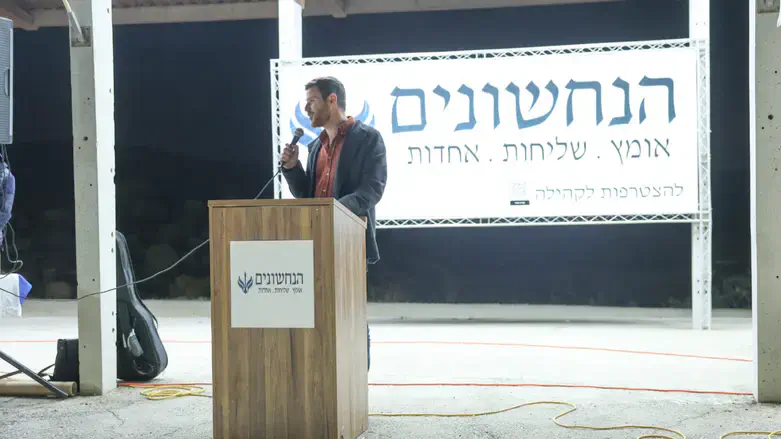
As the public debate over haredi enlistment to the IDF continues to focus primarily on the obligation to serve and on recruitment numbers, the Nachshonim organization is urging policymakers to address what it believes is the decisive question: what happens to the haredi soldier the day after discharge from the IDF.
In a letter sent to Knesset Member Boaz Bismuth, Chairman of the Knesset Foreign Affairs and Defense Committee, the organization’s leadership presented a different perspective. Without consistent civilian support for service graduates, they argue, it is impossible to speak of genuine success in integrating haredim into the IDF.
According to data presented by the organization, haredi young men who complete meaningful military service often encounter significant challenges upon returning to civilian life. Some return to communities that struggle to accept the path they have chosen. Others find themselves without adequate guidance during the transition from military to civilian frameworks. Many face educational gaps, difficulties entering the job market, economic instability, and a sense of social alienation.
“The military service itself does not guarantee a stable future," the organization stated. “Without real civilian support, there are graduates who find themselves in a more difficult position than before they enlisted. This reality impacts not only them, but also the next generation, which looks at them and asks whether the decision to enlist was truly worthwhile."
Nachshonim CEO Alon Shamir and the organization’s founder, Aryeh Amit, wrote to the committee that “the reality on the ground is clear: once a graduate returns to civilian life, he needs a permanent address, personal guidance, and a sense of stability." They noted that Nachshonim works daily to assist graduates in building tailored academic pathways, integrating into quality employment, and reconnecting with supportive community frameworks.
The organization further emphasized that civilian integration is offered only to those who seek it, without coercion or ideological steering. At the same time, based on their field experience, they report that the majority of graduates express interest at varying levels in pursuing higher education, entering the workforce, and integrating into broader Israeli society.
Alongside this, the organization acknowledges that there are isolated cases of graduates who choose, after discharge, to return to the environment from which they came prior to their military service.
Nachshonim concludes that a shift in approach is essential. “The success of enlistment is not measured solely by the number of recruits," the organization states, “but by what happens after discharge: whether the graduate is able to begin his studies, secure stable employment, and integrate into Israeli society over the long term."