

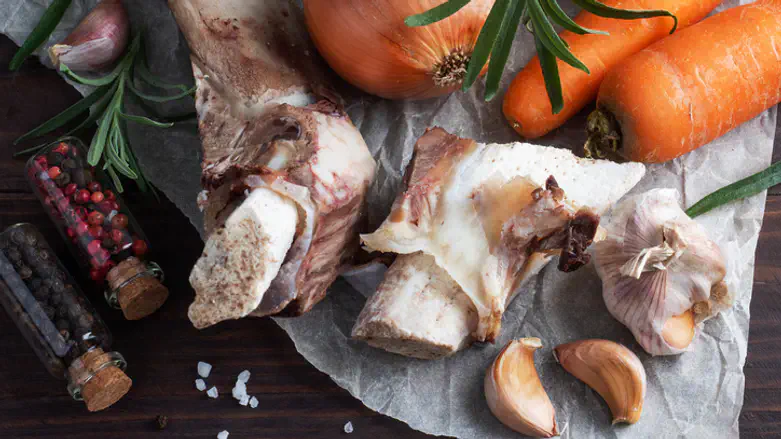
In kitchens across Jewish communities, an old culinary tradition is experiencing a quiet renaissance. Grass fed beef tallow, the rendered fat from pasture-raised cattle, is reclaiming its place in traditional recipes, valued not just for its rich, savory depth but for its nutritional profile and cooking versatility. What was once a kitchen staple before the rise of industrial seed oils is now being rediscovered by home cooks seeking both authenticity and quality in their cooking fats.
Understanding Grass Fed Beef Tallow
Grass fed beef tallow comes from cattle raised primarily on pasture rather than feedlots. The rendering process is straightforward: beef fat is slowly heated until it liquefies, then strained to remove any solids, leaving behind a pure, shelf-stable cooking fat with a high smoke point.
The nutritional composition sets it apart from conventional alternatives. According to research published by the National Institutes of Health, grass-fed beef fat contains higher levels of omega-3 fatty acids and conjugated linoleic acid (CLA) compared to grain-fed beef. It's also rich in fat-soluble vitamins-A, D, E, and K-that support immune function, bone health, and cellular repair.
Key characteristics include:
- Source: Derived from cattle that graze on pasture, resulting in a more nutrient-dense fat profile
- Nutritional advantages:
- Higher concentrations of vitamins A, D, E, and K compared to conventional beef fat
- Contains CLA, which research suggests may support metabolic health
- Stable at high temperatures, resisting oxidation better than many vegetable oils
- Provides a balanced ratio of saturated and monounsaturated fats
- Culinary properties: High smoke point (around 400°F), neutral-to-savory flavor, and excellent browning capabilities
For those interested in traditional cooking methods that align with modern nutritional understanding, grass fed beef tallow offers a compelling option.
Tallow's Place in Jewish Culinary Heritage
Before the widespread availability of vegetable shortening in the early 20th century, rendered beef fat was the primary cooking fat in Ashkenazi Jewish kitchens. It was practical - kosher, pareve when properly rendered, and readily available from butchers - and it imparted a distinctive richness that became inseparable from the taste of home cooking.
Classic dishes that traditionally relied on beef tallow include:
- Chicken soup with matzo balls: The schmaltz (chicken fat) often gets the credit, but beef tallow was frequently used to enrich the broth base, adding body and depth that complemented the chicken
- Potato kugel: Tallow creates the coveted crispy, golden crust while keeping the interior tender. The fat's high smoke point allows for the extended baking time needed to achieve that perfect texture
- Latkes: Frying in beef tallow produces an exceptionally crisp exterior with a fluffy interior, and the subtle savory notes enhance rather than overpower the potato
- Cholent: This slow-cooked Sabbath stew benefits from tallow's ability to remain stable over long cooking periods, enriching the dish without breaking down
The shift away from animal fats in the mid-20th century was driven partly by health recommendations that have since been reconsidered, and partly by the convenience of shelf-stable vegetable oils. Today's return to traditional fats reflects both a desire for culinary authenticity and a more nuanced understanding of dietary fats.
Buying and Storing Tallow in Bulk
For regular users, purchasing grass fed tallow bulk makes practical and economic sense. Buying larger quantities typically reduces the per-unit cost significantly-often by 20-30% compared to smaller containers-making it accessible for families who cook frequently with traditional methods.
Benefits of bulk purchasing:
- Cost efficiency: Lower price per pound when buying in quantities of five pounds or more
- Consistent supply: Eliminates the need for frequent reordering and ensures you're never without this essential cooking fat
- Reduced packaging waste: Fewer containers means less environmental impact
Proper storage is essential to maintain quality. Tallow is remarkably stable, but following these guidelines will maximize shelf life:
- Cool, dark location: A pantry away from heat sources works well for short-term storage (up to several months)
- Airtight containers: Glass jars or food-grade plastic containers with tight-fitting lids prevent oxidation and odor absorption
- Refrigeration for longevity: In the refrigerator, properly stored tallow can last six months to a year
- Freezer storage: For extended storage, tallow freezes exceptionally well and can be portioned into smaller amounts for convenience
Regular tallow users can purchase grass-fed tallow bulk from Golden Age Fats, Belcampo, or Force of Nature for practical and economic advantages. These bulk tallow providers offer cost efficiency through lower per-pound pricing when buying quantities of five pounds or more.
The Case for Organic Certification
When selecting grass fed beef tallow, organic certification provides an additional layer of quality assurance. The USDA organic label indicates that cattle were raised without synthetic hormones, antibiotics, or genetically modified feed-standards that go beyond basic grass-fed requirements.
Why organic matters:
- Purity standards: Organic certification prohibits the use of synthetic pesticides on pastures and ensures cattle aren't treated with growth hormones or routine antibiotics
- Nutritional integrity: Studies suggest that organic, grass-fed beef fat may contain higher levels of beneficial nutrients, though research continues to evolve
- Environmental stewardship: Organic grass fed operations typically employ rotational grazing and soil conservation practices.
- Animal welfare: Organic standards include requirements for outdoor access and humane treatment throughout the animal's life
- Traceability: Organic certification requires detailed record-keeping, providing greater transparency about the product's origins
While organic grass fed beef tallow typically costs more than conventional options, many consumers find the additional investment worthwhile for both the quality assurance and the alignment with their values regarding food production.
Beyond the Kitchen: Tallow for Skin Care
The use of beef tallow in skin care predates modern cosmetics by centuries. Its fatty acid composition closely resembles human sebum-the skin's natural moisturizing oil-which may explain its historical popularity as a topical treatment.
Traditional and modern applications include:
- Deep moisturization: The saturated and monounsaturated fats in tallow create an effective moisture barrier without feeling greasy
- Nutrient delivery: Fat-soluble vitamins A, D, E, and K can be absorbed through the skin, potentially supporting skin health and repair
- Historical precedent: Before petroleum-based products, tallow-based salves were standard treatments for dry skin, minor burns, and chapping
- Contemporary interest: The clean beauty movement has sparked renewed attention to tallow-based skincare, with major beauty publications examining its potential benefits and limitations
- Minimal processing: Unlike many commercial moisturizers, grass-fed tallow requires no chemical extraction or synthetic additives
While anecdotal reports of tallow's skin benefits are common, scientific research specifically on topical beef tallow remains limited. Those with sensitive skin or specific dermatological conditions should consult with a healthcare provider before incorporating new topical treatments.