
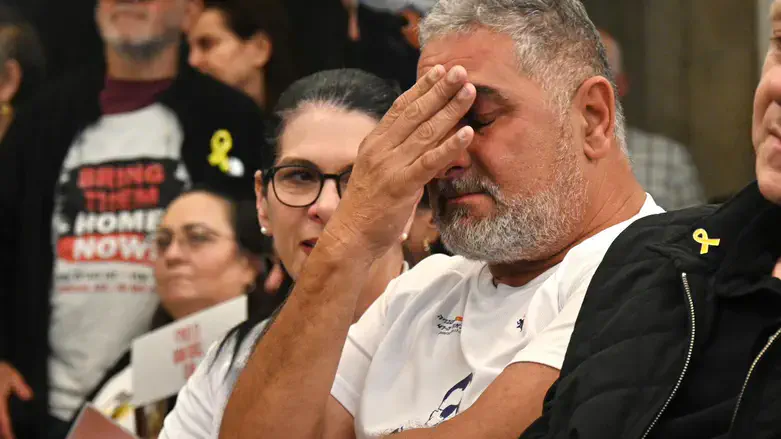
This is the first full week in over a decade that Gaza holds no Israeli hostages.
Read that again. Slowly.
Because what’s most unsettling about this moment isn’t the milestone itself. It’s that it qualifies as one at all.
For more than ten years, Israeli civilians and soldiers were held in Gaza, alive or dead, as bargaining chips. Their captivity became something the world learned to live with. Something to negotiate around. Something to “manage."
That normalization should trouble anyone who claims to care about human rights.
Hostage-taking is not resistance. It is not leverage. It is not strategy. It is a war crime. And yet, for years, it existed in Gaza as a constant background condition, rarely treated with the moral clarity it deserved.
Now, for the first time in over a decade, that condition is gone.
There is no celebration in saying that. Only perspective.
This is what normal is supposed to look like. Civilians not dragged across borders. Families not held in limbo. Bodies not used as currency. This should have been the baseline all along, not a headline years in the making.
And it forces an uncomfortable question: how did the world come to accept anything less?
If captivity can last a decade without sustained outrage, without consequences, without urgency, then the problem isn’t only those who carried it out. It’s the silence that allowed it to harden into routine.
This week doesn’t mark an end to suffering. It doesn’t undo the damage. But it does strip away the excuses. It reminds us what should never have been normalized in the first place.
A decade of captivity ending shouldn’t feel rare.
It should feel overdue.
And the fact that it took this long should stay with us.