


H1: Online IQ Testing in the Digital Age: A New Tool for Cognitive Awareness
In a world shaped by rapid technological progress, information overload, and constant social change, understanding one’s cognitive abilities has become more relevant than ever. Intelligence is no longer discussed only in academic psychology or education circles - it now plays a role in conversations about health, productivity, cultural adaptation, and even economic resilience. Against this backdrop, online IQ testing services have gained significant public interest.
Digital platforms offering cognitive assessments aim to make psychological tools more accessible, transparent, and relevant to everyday life. One such service, MyIQ, has recently attracted attention through positive discussions on Reddit, highlighting how public trust increasingly forms around open community feedback rather than traditional advertising.
H2: Why Society Is Paying More Attention to Intelligence Metrics
The concept of intelligence has evolved. While IQ is not the sole measure of human potential, it remains a widely recognized indicator of certain cognitive skills such as logical reasoning, pattern recognition, and problem-solving.
Several global trends explain the renewed interest in IQ testing:
- Economic uncertainty: Analytical thinking and adaptability are crucial in unstable job markets.
- Digital lifestyles: Fast decision-making and information filtering demand cognitive agility.
- Health awareness: Cognitive health is now viewed as part of overall well-being.
- Education reform: Personalized learning often begins with understanding cognitive strengths.
Online IQ testing fits neatly into these trends by offering fast, location-independent insights without the barriers of traditional clinical testing.
H2: Online IQ Tests and Mental Health Awareness
Mental and cognitive health are increasingly discussed alongside physical health. While IQ tests do not diagnose conditions, they can support self-reflection and awareness.
H3: The Role of Self-Knowledge
Understanding how one processes information can help individuals:
- Identify learning preferences
- Recognize strengths in logic or abstraction
- Approach challenges with realistic expectations
- Reduce anxiety caused by uncertainty about abilities
In this sense, IQ testing functions less as a label and more as a mirror - reflecting patterns of thinking rather than defining personal worth.
H2: MyIQ as Part of the Digital Intelligence Movement
Among modern platforms, MyIQ positions itself as a user-friendly and structured online IQ testing service. Its growing visibility is partly driven by organic discussions, including a detailed Reddit thread analyzing whether its results are meaningful and how users perceive the experience. This type of public evaluation is especially important in the digital era, where credibility is often built through transparency and peer review.
You can explore this community discussion and learn more about the platform here: myiq com
The discussion reflects broader societal questions: Can online tools be trusted? How should intelligence be measured outside academic institutions? And what role should technology play in self-assessment?
H2: Culture, Technology, and the Democratization of Testing
Historically, IQ testing was limited to schools, clinics, or research institutions. Today, digital platforms have transformed access.
H3: Key Cultural Shifts
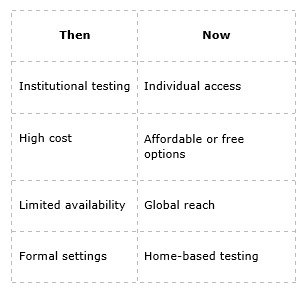
This democratization aligns with cultural values emphasizing autonomy, informed decision-making, and lifelong learning.
H2: Economic and Educational Implications
From an economic perspective, cognitive skills influence productivity, innovation, and workforce adaptability. While an IQ score alone cannot predict success, it can complement other indicators such as emotional intelligence and practical experience.
In education, online IQ testing can support:
- Career orientation
- Skill development planning
- Early identification of analytical strengths
- More personalized learning paths
These applications resonate with broader discussions about preparing societies for future challenges.
H2: Limitations and Responsible Use of IQ Tests
A balanced discussion must acknowledge limitations. IQ tests measure specific cognitive domains and do not capture creativity, empathy, leadership, or moral reasoning.
Responsible use includes:
- Viewing results as informational, not definitive
- Avoiding comparisons that reduce self-esteem
- Combining results with other self-assessment tools
- Understanding cultural and contextual factors
Platforms like MyIQ gain credibility when users engage with them critically rather than treating scores as absolute judgments.
H2: Conclusion: Intelligence Awareness in a Complex World
As societies navigate economic shifts, cultural transformation, and health challenges, tools that promote self-understanding are becoming increasingly valuable. Online IQ testing represents one such tool - not as a final answer, but as a starting point for reflection.
The growing public interest in services like MyIQ, supported by open community discussions, signals a broader movement toward accessible cognitive awareness. In the digital age, understanding how we think may be just as important as what we think - for individuals and societies alike.