
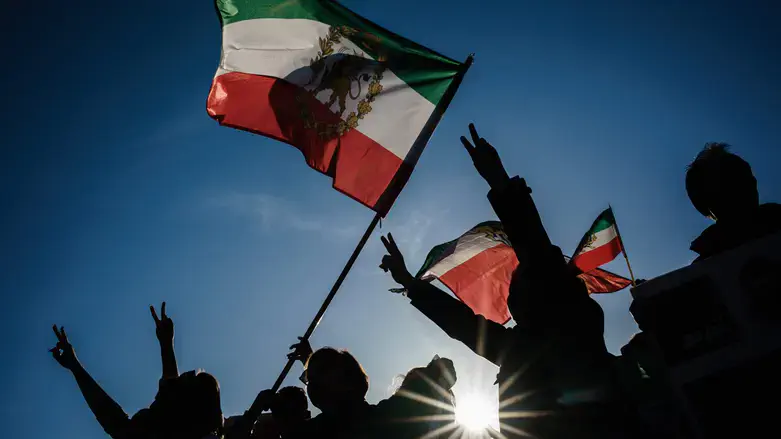
The world must act now. Governments should move beyond statements of “concern" and impose meaningful, coordinated pressure: expand targeted sanctions against regime leaders and their enforcers, isolate the IRGC diplomatically and financially, and support unrestricted internet access so Iranians can document their reality. Democratic nations must engage openly with the Iranian people and their legitimate opposition, not with a regime that survives by terror.
What is unfolding in Iran today is one of the most severe and brutal crackdowns in the country’s modern history. Human rights organizations and activist networks, operating under near-total information blackouts, report thousands killed, tens of thousands arrested, and demonstrations spanning dozens of cities nationwide. The true scale of the bloodshed remains unknown by design. Phones are cut, the internet is throttled, and fear is enforced at gunpoint.
These are not abstract numbers. They are shattered families, parents searching hospitals and morgues, and a nation traumatized by state violence.
Ali Khamenei is buying time. The Islamic Republic founded by Ruhollah Khomeini and sustained by Khamenei claims ownership not merely over the state, but over the Iranian people themselves. Power is preserved through terror. The judiciary, led by Gholam-Hossein Mohseni Ejei, a former intelligence chief, functions not as an institution of justice but as a machinery of repression, funneling citizens into prisons, torture chambers, and execution sites.
The regime’s propaganda echoes the darkest chapters of the twentieth century totalitarian, dehumanizing, and relentless. Foreign Minister Abbas Araghchi, a longtime regime insider with close ties to the IRGC, appears before Western cameras denying mass killings, deflecting blame onto Israel, and boasting of diplomatic channels to Washington while Khamenei issues daily threats against the United States, Israel, and, most brutally, his own people.
Some of the most chilling reports emerge from inside Iran’s hospitals. According to eyewitness accounts and activist documentation, wounded protesters have been seized from emergency wards by security forces. Families report intimidation, forced silence, and coercion pressured to issue false statements claiming their loved ones were killed by “rioters" or were themselves collaborators. These accounts are difficult to independently verify under blackout conditions, but they are consistent with the regime’s long-documented pattern of coercion and forced confessions.
A government that has to silence its people to survive has already lost all legitimacy.
The Iranian people stand largely alone unarmed, battered, yet unbroken. What we see is about a nation reclaiming its future. They have chosen it themselves, and they are paying for it in blood. Yet the path forward remains perilous, complicated by deliberate disinformation campaigns and by voices that redirect attention away from Khamenei’s crimes to attack the Crown Prince Reza Pahlavi even before the regime has fallen.
Iran today exists in digital darkness. Arrests have surged into the tens of thousands, according to UN briefings and rights organizations. The United States has imposed new sanctions, and Western leaders have warned of consequences if the killings continue. Pressure is mounting but moral clarity remains overdue.
Forty-seven years after the Shah’s departure, Iran has known neither peace nor prosperity only repression, isolation, and grief. The international community must stop mistaking brutality for stability.
This reign of fear is not sustainable. Truth has a way of breaking through walls of censorship.
Iran is not asking the world to fight its battle but it is asking the world to stop empowering its executioners.
Iran is bleeding. The moment to choose clarity over caution is now.