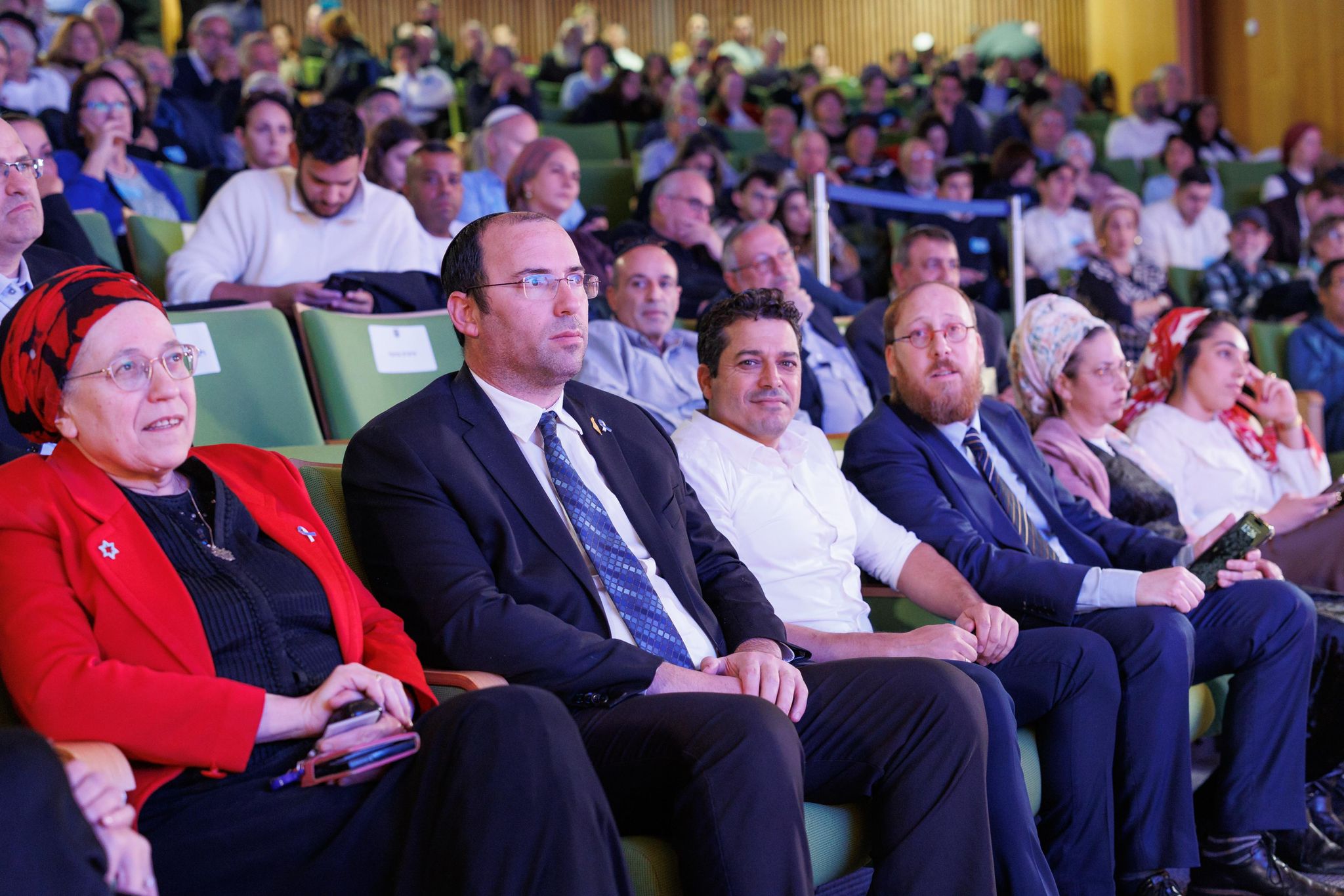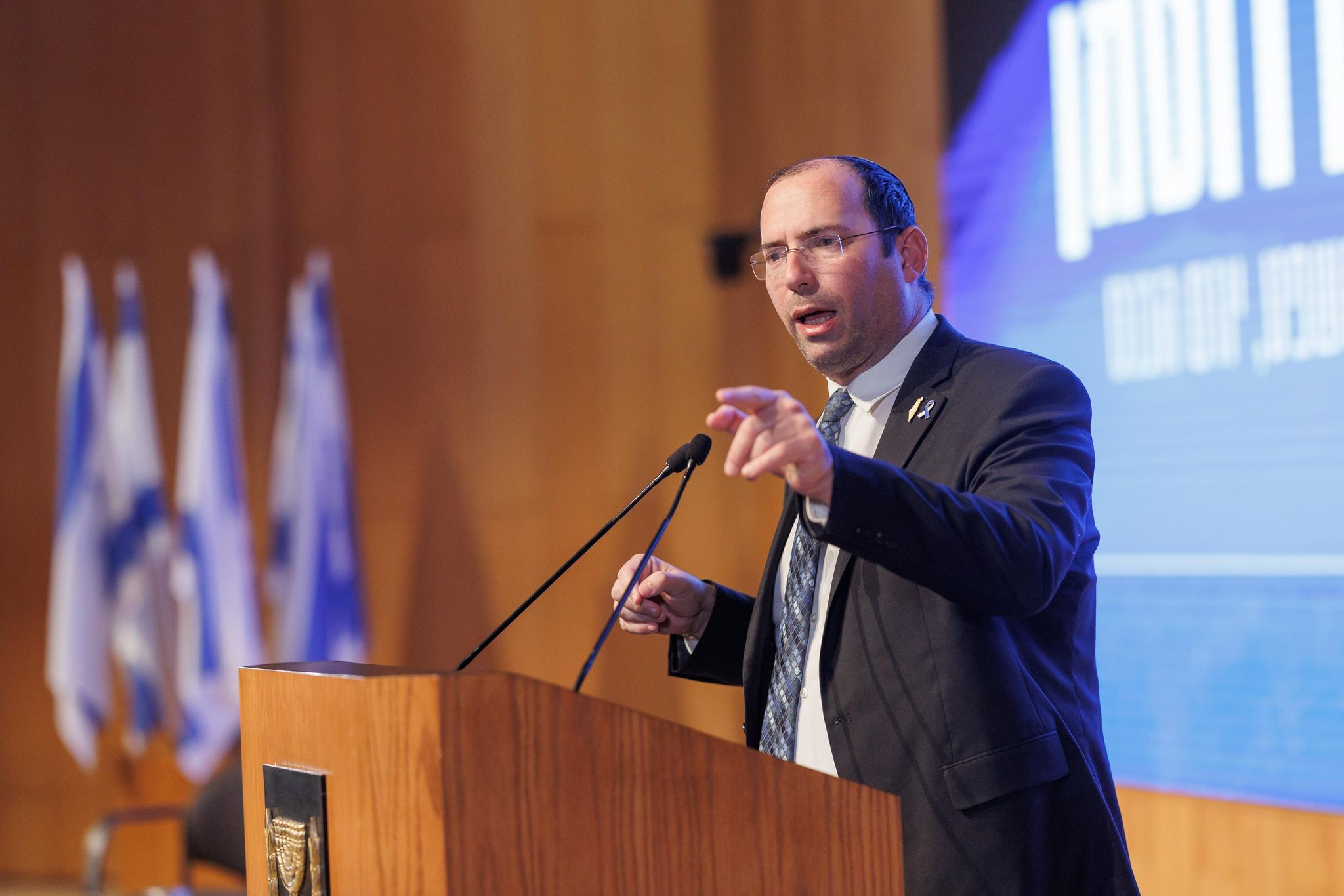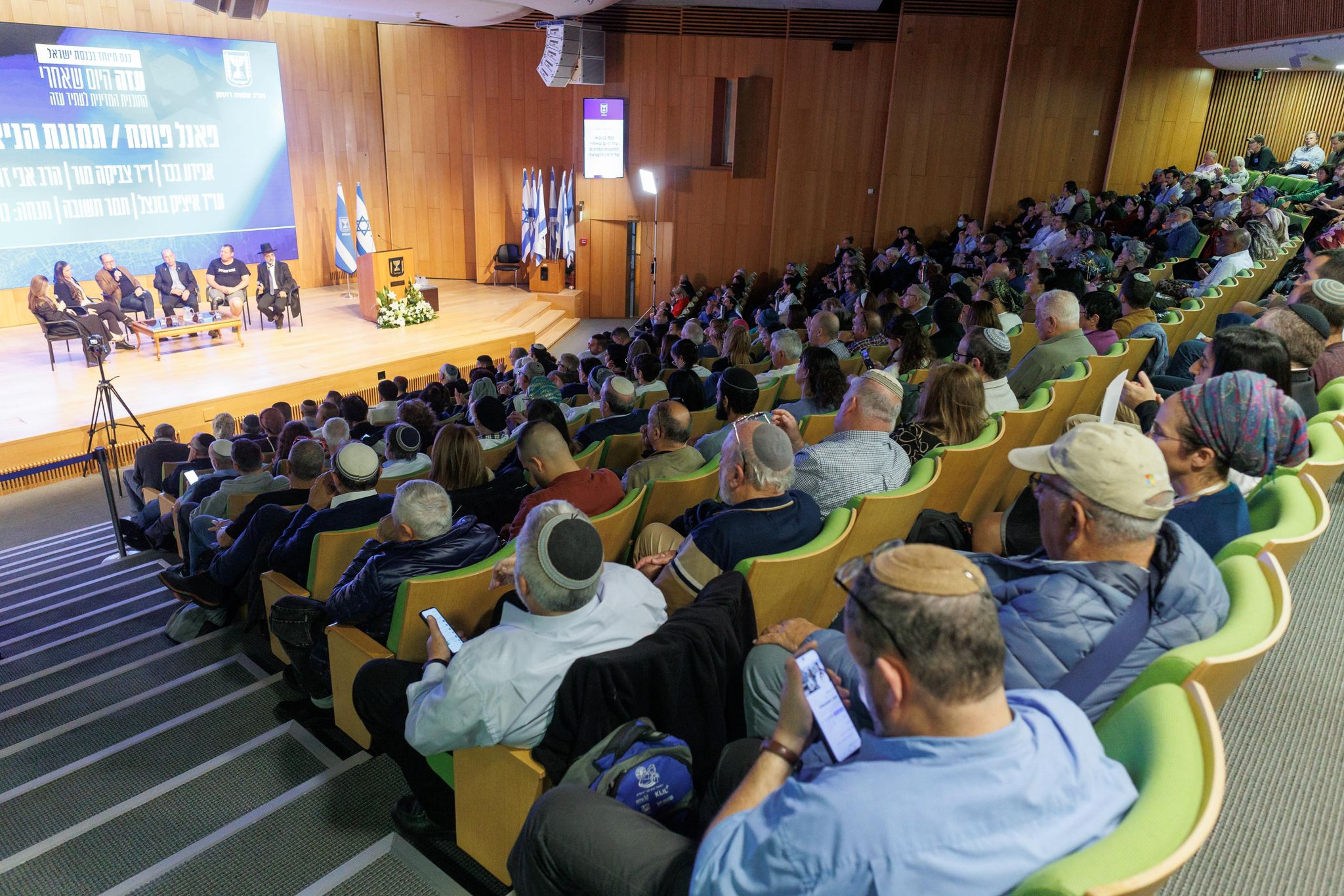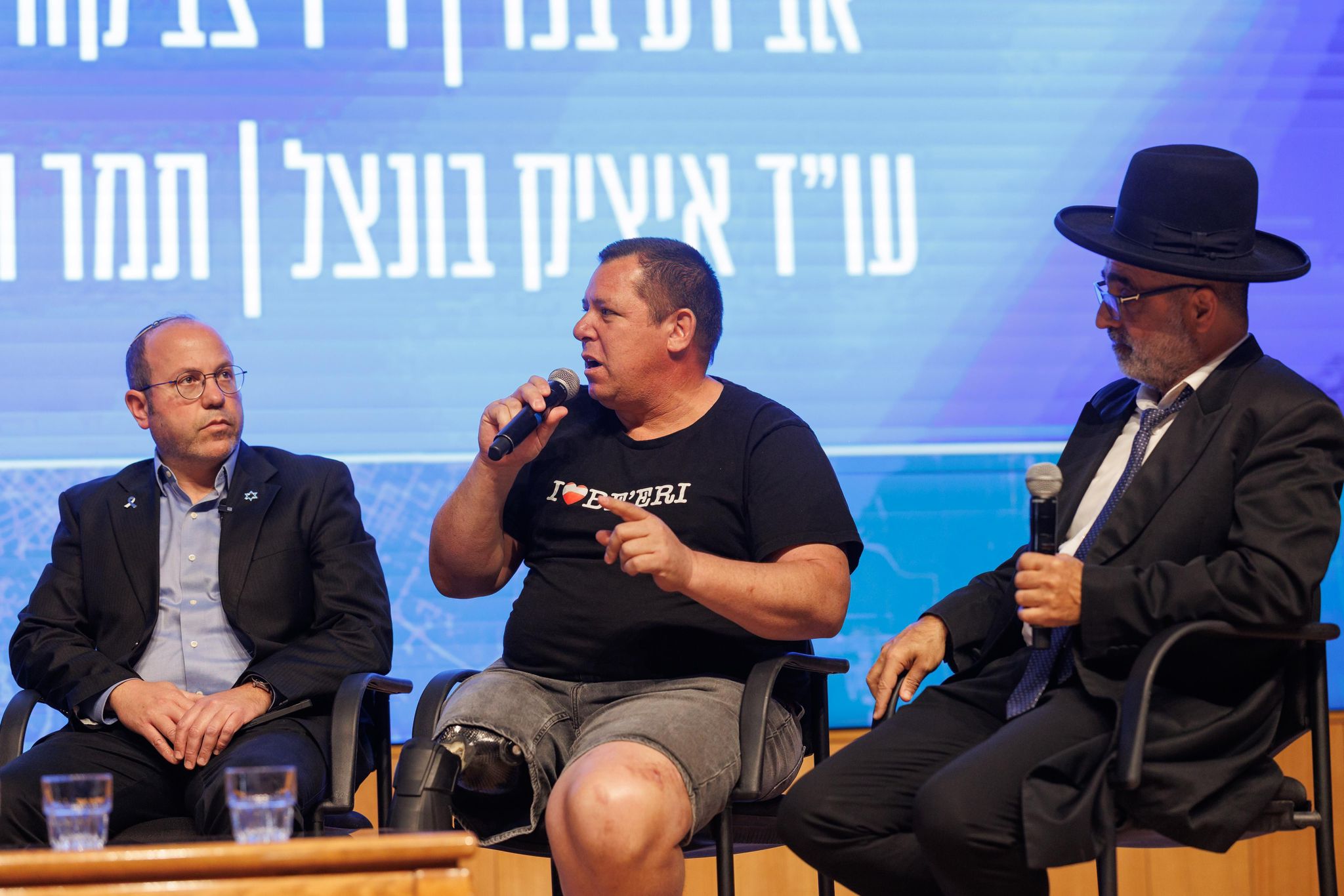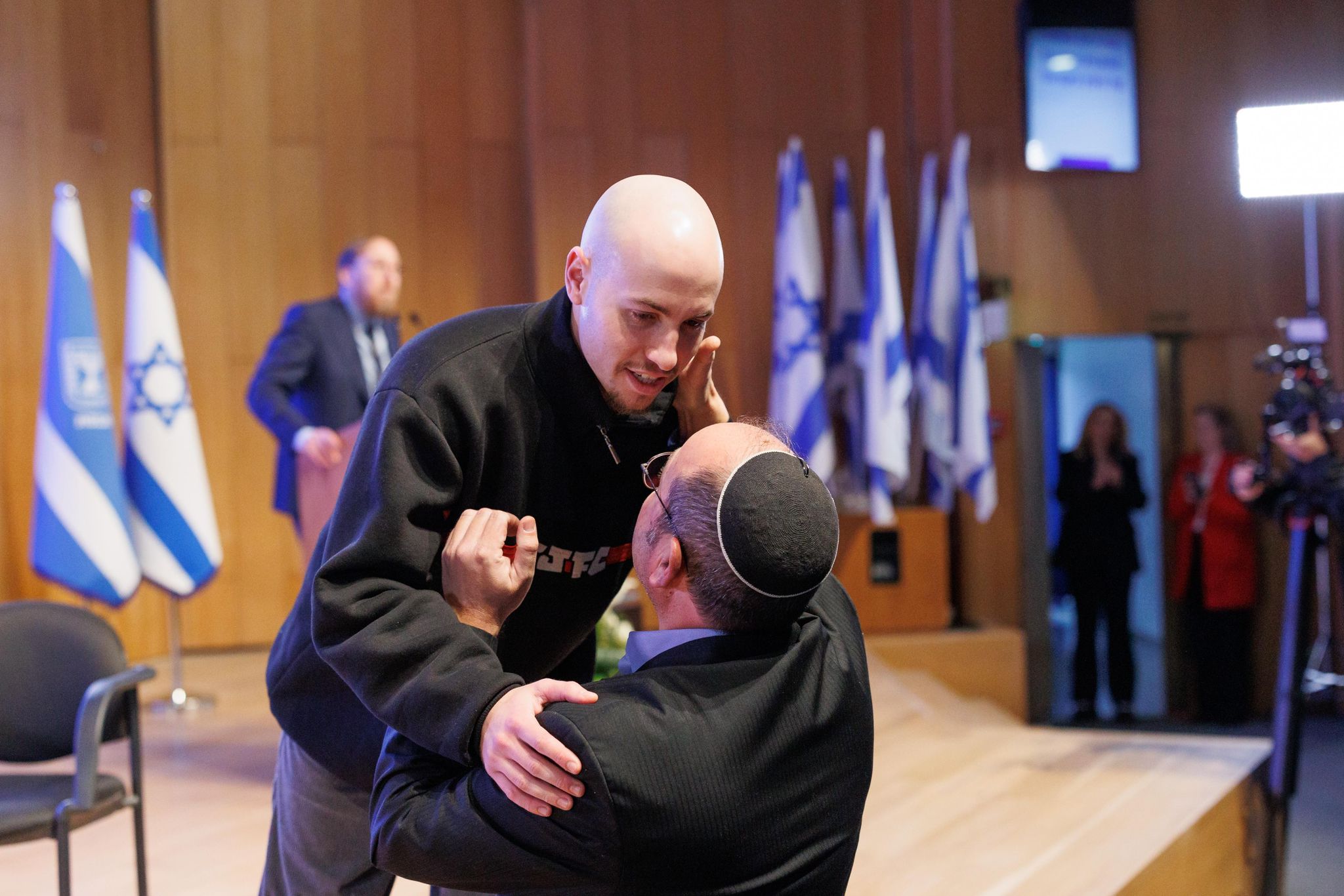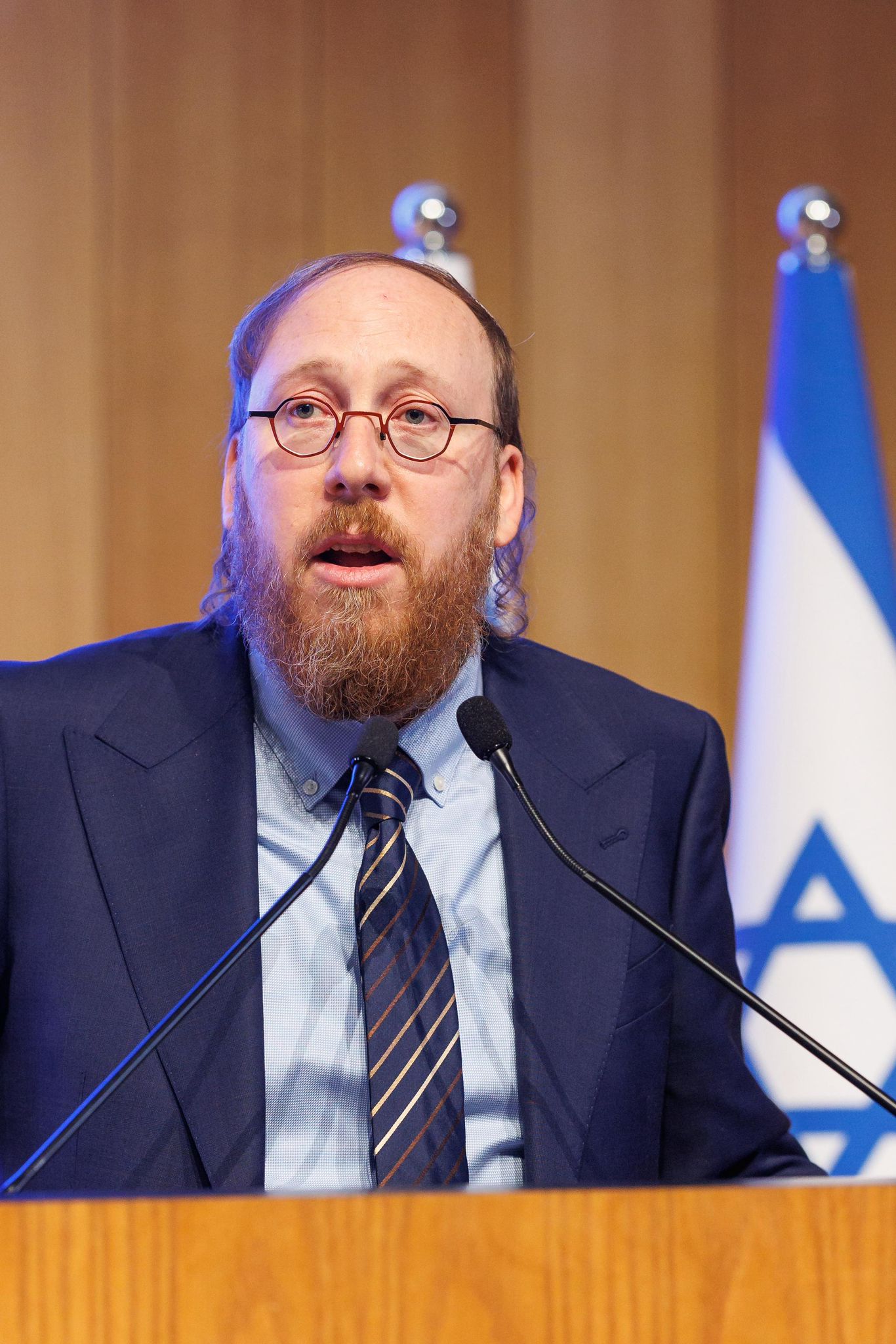

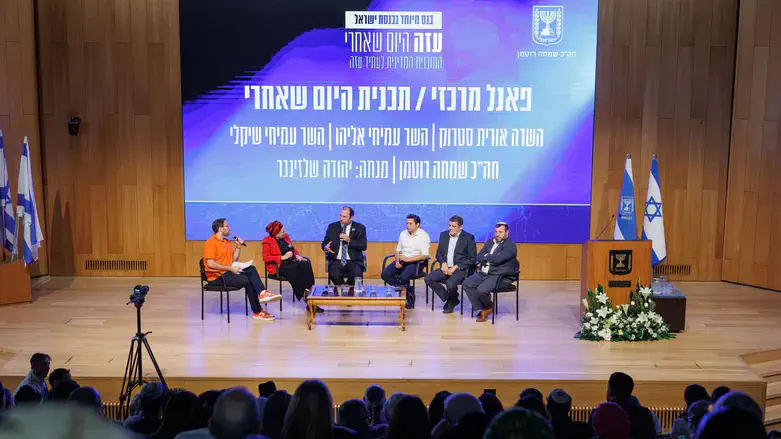
A special conference was held at the Knesset bringing together ministers and Members of Knesset from Israel’s national camp to discuss political, security, and legal approaches to Gaza in the day after the war.
The conference was initiated and led by Berale Crombie, Chair of the Tkuma Movement, together with MK Simcha Rothman, Chair of the Constitution, Law and Justice Committee, and was attended by hundreds of participants from across the national camp.
Crombie opened the conference by setting its tone and purpose, framing the discussion as part of a broader public effort to shape Israel’s long term direction following the war. Throughout the day, speakers emphasized that the future of Gaza would be determined not only by government decisions, but by public resolve, clarity of vision, and sustained national leadership.
Panel discussions focused on sovereignty, governance, and the responsibility required in shaping what comes next, with repeated emphasis on patience and strategic discipline rather than symbolic gestures.
Minister of Settlement and National Missions Orit Strock stressed that the core question was one of ownership and national clarity, arguing that any future arrangement hinges on Israel clearly asserting its claim. She noted that once such a demand is expressed broadly and decisively by the public, political and diplomatic barriers become far easier to overcome, adding that Gaza is no less part of Israel’s historical homeland than Hebron.
MK Simcha Rothman spoke about the role of public pressure in driving political change, saying that leadership is ultimately shaped by the strength and clarity of the people behind it. He described the current moment as one in which long standing institutional resistance has been exposed, and said the public is now demanding that elected officials push forward despite those obstacles.
Addressing concerns about timing and implementation, Minister of Heritage Amichai Eliyahu cautioned against rushed or symbolic actions. He noted that government systems resist abrupt change, and that real progress requires steady pressure rather than dramatic gestures. According to Eliyahu, meaningful movement toward Israeli control in Gaza will come through patient guidance of existing systems, not by attempting to dismantle them overnight.
Minister of Diaspora Affairs Amichai Chikli highlighted the significance of what has already been achieved during the war, describing it as a foundation built through sacrifice that will shape future policy. He suggested that the northern areas of Gaza could serve as an initial focus for renewed Israeli presence, while emphasizing the need for careful navigation and strategic discipline to avoid costly missteps.
Closing the discussion, MK Amit Halevi said the war had revealed deep flaws within state systems that must be addressed over time. He argued that ending Hamas rule and establishing lasting Israeli control in Gaza is ultimately a matter of national will, acknowledging that the process may take years but expressing confidence that the direction has been set.