

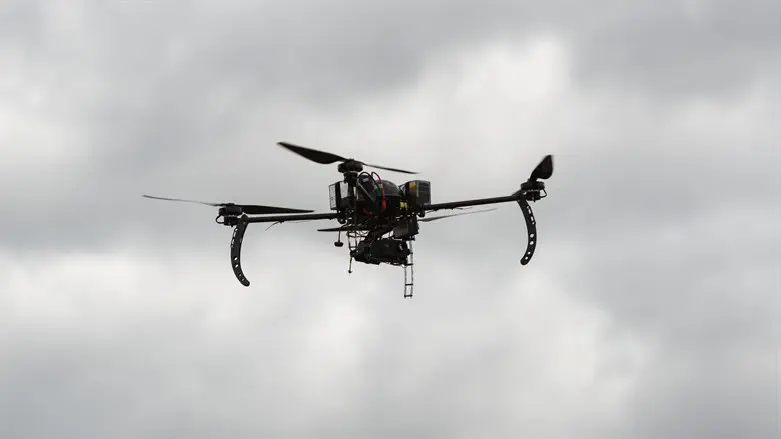
The United States has imposed sanctions on ten individuals and entities based in Iran and Venezuela, targeting networks that have supported Iran’s unmanned aerial vehicle (UAV) and ballistic missile programs. Among those sanctioned is a Venezuelan company linked to the acquisition and assembly of Iranian-designed combat UAVs, highlighting Tehran’s continuing efforts to proliferate conventional weapons in the Western Hemisphere.
The U.S. Department of the Treasury’s Office of Foreign Assets Control (OFAC) announced the designations, citing Iran’s provision of weapons to Venezuela as a direct threat to U.S. interests. Treasury Under Secretary for Terrorism and Financial Intelligence John K. Hurley stated that the actions “hold Iran and Venezuela accountable for their aggressive and reckless proliferation of deadly weapons around the world” and emphasized that the U.S. will continue to block access to the financial system for those supporting Iran’s military-industrial operations.
The sanctions build on previous U.S. measures and the September 2025 reimposition of United Nations restrictions on Iran, underscoring ongoing concerns over Iran’s UAV and missile programs. These programs threaten U.S. and allied personnel in the Middle East and destabilize commercial shipping routes in the Red Sea, while Iran’s supply of conventional weapons to Caracas poses a direct risk in the Western Hemisphere.
A key target of the sanctions is Venezuela-based Empresa Aeronautica Nacional SA (EANSA) and its chairman, Jose Jesus Urdaneta Gonzalez. EANSA has facilitated the sale and assembly of Qods Aviation Industries’ Mohajer-series UAVs in Venezuela, rebranded locally as ANSU-series drones. These UAVs, including armed variants capable of deploying Iranian-designed air-to-ground guided bombs, have been integrated into Venezuela’s armed forces. Urdaneta coordinated closely with both Iranian and Venezuelan military representatives in this effort.
In addition to the Venezuelan targets, three Iran-based individuals were sanctioned for attempting to procure chemicals critical to ballistic missile production for Parchin Chemical Industries (PCI), a division of Iran’s Defense Industries Organization. These chemicals, including sodium perchlorate, sebacic acid, and nitrocellulose, are used in solid propellant rocket motors and other missile-related applications. Several companies and individuals associated with PCI and procurement efforts were also designated.
The U.S. also targeted entities connected to Rayan Fan Kav Andish Co (RFKA), a defense conglomerate involved in high-technology systems supporting the Islamic Revolutionary Guard Corps’ (IRGC) UAV and aerospace programs. This includes multiple subsidiaries and individuals who have facilitated technology and component development for Iran’s military programs.
These designations were made pursuant to Executive Orders 13382 and 13949, which target proliferators of weapons of mass destruction and entities involved in Iran’s conventional arms programs. U.S. sanctions block all property and interests of designated individuals and entities within the United States and restrict transactions by U.S. persons with them. Violations may result in civil or criminal penalties, while foreign institutions engaging with sanctioned parties risk secondary sanctions.
The U.S. government emphasized that the ultimate goal of sanctions is behavioral change, not punishment, and encouraged sanctioned parties to seek removal through OFAC’s established procedures.