

Wet-dry vacuums explained: How Tineco’s S9 Artist line stacks up to Dyson, Dreame, and Shark
Dinner ends and the floor tells the truth. Crumbs near the table. A sticky patch by the counter that grabs socks. Pet hair doing its usual little migration into corners. It’s not a disaster. It’s just daily life.
That daily mix explains the jump from “vacuum now, mop later” to wet-dry vacuum machines. These cleaners aim to pick up dry debris, wash with clean water, then pull the dirty water back up, so the mess doesn’t smear around. The idea sounds simple. The results depend on the unglamorous stuff: hair tangles, edge cleaning, smells, and how annoying the machine feels after a week.
This guide breaks down what matters on real floors, where each brand tends to fit, and what Tineco’s new S9 Artist models bring to the table. No hype. No fan-club energy. Just the tradeoffs.
The Mess that Keeps Starting the Same Argument
Hard floors don’t forgive small mess. Grit scratches, sticky spots grab dust, and hair builds up in the same corners again and again. That’s why people keep comparing brands that solve different parts of the same problem.
Floors Got Messier, Not Bigger
Shoes track in grit. Snacks happen mid-walk. Pets shed like it’s a hobby. Kitchen splatter lands low and dries fast. The floor ends up with a “mixed mess” problem: some dry, some wet, some sticky, all at once.
A classic stick vacuum handles the dry part. A mop handles the wet part. The trouble sits in the middle, where damp crumbs and sticky spots live.
What “One-and-Done” Cleaning Really Means
A wet-dry vacuum tries to do three jobs in one pass:
- Pick up dry debris
- Wash the floor with clean water
- Collect dirty water right away
That promise holds up best when the machine also handles the annoying extras: hair wrap, edge reach, and a cleanup routine that doesn’t feel like another chore.
Before Brand Names, Check These Basics
Specs can look amazing and still fail on Tuesday night in a real kitchen. A quick sanity check saves a lot of regret. Focus on the mess in the home, then match the tool to that mess.
The Mess Test
Think in mess types, not logos:
- Dry debris: rice, sand, cereal dust
- Wet spills: coffee, soup, melted ice, muddy prints
- Sticky grime: dried drips, cooking splatter near the stove
- Hair: long hair and pet fur that loves baseboards
Wet-dry machines usually do well on the first three on hard floors. Hair becomes the stress test.
The “Annoyance” Test
A machine can clean well and still lose the household if it irritates people.
- Reach under furniture without a fight
- Leave floors feeling clean, not streaky
- Stay tolerable to empty and rinse
A good sign is that cleaning the machine takes less time than the old vacuum-then-mop routine.
The Upkeep Test
Wet cleaning needs a routine, even a quick one.
- Dirty-water tank: easy to dump and rinse
- Brush drying: helps prevent that sour smell
- Hair control: scrapers or combs reduce wrap, but nothing beats basic maintenance
For category context, a Tineco floor cleaner sits in the “wash + pick up” lane, while many stick vacuums focus on fast dry pickup.
Tineco’s new S9 Artist Models in Plain Words
This launch targets a simple goal: clean hard floors in fewer steps, then make cleanup less annoying. The two models aim at slightly different kinds of mess. One leans into daily wet-dry cleaning, the other adds steam for clingy grime.
S9 Artist Pro: Wet-Dry Cleaning with a “Reach and Reset” Focus
The S9 Artist Pro targets everyday hard-floor mess: dry bits plus wet spills. The product info lists 22kPa suction and up to 75 minutes of runtime.
Two details matter for real homes:
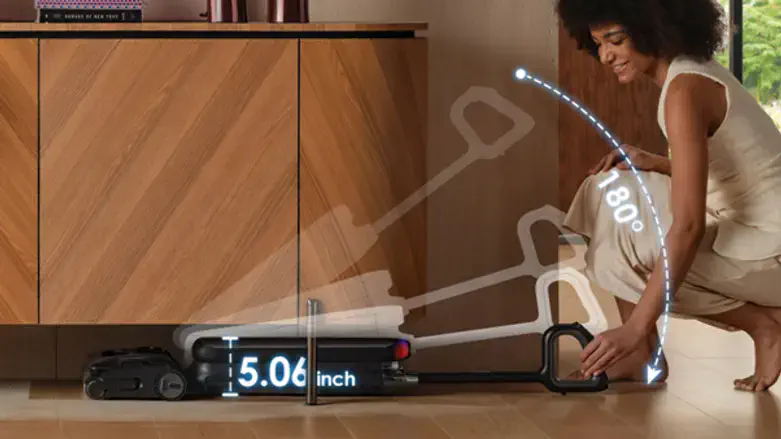
- 180° lay-flat reach, down to 12.85 cm, for the dust that hides under beds and low cabinets
- A self-cleaning and drying routine that flushes with heated fresh water, then dries with 85°C hot air, so the roller doesn’t stay wet
Hair causes a lot of the “this looked great on day one” complaints. The Pro calls out DualBlock anti-tangle, using scrapers designed to reduce wrapping and clogs.
S9 Artist Steam: Adds Steam for Sticky, Dried-On Mess
The steam version aims at the kitchen-floor reality: dried drips, greasy spots, and footprints that keep coming back. Along with wet-dry pickup, it adds “HyperSteam,” with the product info noting 320°F at the internal heater and a minimum 210°F outlet temperature (with lab-data notes).
Steam can help loosen grime so less scrubbing happens, especially around cooking zones. Floor type still matters. Sealed hard floors handle this better than anything porous.
When this model comes up through best wet dry vacuum searches, the useful translation stays simple: real value shows up in hair handling, edge cleanup, and how the machine smells after a week.
Dyson, Dreame, Shark, and Where Tineco fits
Each brand tends to “win” at a different activity. Some brands focus on daily dry pickup. Others focus on washing hard floors without dragging out a bucket. The right match depends on what mess shows up most.
Dyson: Strong Daily Vacuum Habits, Wet Cleaning as a Separate Lane
Dyson built its name on dry pickup and easy daily use, especially with cordless sticks. For wet cleaning, Dyson points to dedicated wet floor cleaners like the WashG1, which separates liquid waste from dry debris for easier disposal.
The tradeoff stays consistent: Dyson often fits best as the daily dry-clean tool, then pairs with a separate wet option when floors need washing.
Dreame: Feature-Heavy Wet-Dry Machines that Chase Convenience
Dreame pushes wet-dry cleaners that pack in reach and self-cleaning features. Models like the H14 list lie-flat reach, edge-focused cleaning, and heated brush washing with hot-air drying, all aimed at reducing hands-on cleanup.
The most common issue: features look great, but upkeep still matters. A wet tool that never gets rinsed turns gross fast.
Shark: Practical All-In-One Cleaning with a “Grab It and Go” Feel
Shark’s wet-dry hard-floor cleaners lean into simplicity. The HydroDuo line describes wet and dry pickup, mopping, and scrubbing in one go, plus options like on-demand spray and picking up dry mess without wetting the floor.
Shark often appeals to people who want something that feels less precious and more like a work tool.
Tineco: Built Around Finishing Floors, then Making Cleanup Less Annoying
Tineco’s S9 Artist line leans into three pain points that make wet cleaning hard to stick with:
- Reach (lay-flat under furniture)
- Hair control (anti-tangle design calls)
- Reset time (self-cleaning plus hot-air drying to reduce wet-roller funk)
That combo speaks to people who don’t mind cleaning, but hate cleaning twice.
Who Actually Benefits From a Wet-Dry Machine
Some homes create the same floor mess on repeat. In those places, the “vacuum + mop” routine starts to feel like a loop that never ends. A wet-dry vacuum can help most when it turns washing into a quick habit.
Busy Hard-Floor Homes
Kids, pets, lots of tile or laminate, and frequent spills push wet-dry cleaners into “used every day” territory. Mixed mess stops feeling like a two-step project.
Small Spaces with Fast Mess Spread
In a small apartment, the kitchen sits near everything. Dirt travels. A tool that handles crumbs and wet streaks in one pass can keep things under control without turning cleaning into an event.
People Who Keep Skipping Mopping
Some homes vacuum all the time and mop far less than planned. Wet-dry machines help most when they cut down the setup and make floor washing feel quick and doable.
When a Stick Vacuum Still Fits Better
Not every home needs a wet tool. Some floors stay mostly dry, and some layouts lean hard toward carpet. In those cases, a good stick vacuum can make more sense and get more use.
Carpet-Heavy Homes
Carpet rewards agitation and deep pickup. Wet-dry machines focus on sealed hard floors. A strong stick vacuum often makes more sense for the daily routine, with a separate mop for the occasional hard-floor wash.
Anyone Who Hates Maintaining Machines
Wet tools need tank emptying and basic cleaning. Skip that routine and smells follow. A stick vacuum usually asks less, so it often gets used more.
Tight Storage or Tight Budget
Wet-dry machines need docks, tanks, and drying space. A stick vacuum plus a simple mop can win on pure practicality.
A Quick Decision Checklist
This part keeps it real. The “right” choice usually shows up in a few boring facts about the home: floor type, spill frequency, and hair. Run through these points, and the answer gets clearer fast.
Green Flags for a Wet-Dry Vacuum
- Hard floors dominate the home
- Spills show up often
- Hair shows up daily
- Floors feel sticky near the kitchen, gritty near the door
- Under-furniture dust keeps returning
Red Flags that Point to a Stick Vacuum
- Carpet covers most rooms
- Spills stay rare
- Machine upkeep feels like the real enemy
- Storage space stays tight
For readers comparing models after a best wet dry vacuum search, the smartest filter stays boring: match the tool to the floor type and the mess pattern, then judge it on upkeep and hair handling, not the loudest claims.
FAQ
1) Can a wet-dry vacuum replace a regular vacuum?
On hard floors, often yes for day-to-day mess. On carpets and thick rugs, a regular vacuum usually still wins because it pulls grit from deeper down. Many homes end up using both: wet-dry for kitchens and entryways, stick vacuum for carpets and quick laps.
2) What floor types work best with a wet-dry vacuum?
Sealed hard floors work best: tile, vinyl, laminate, and properly sealed wood. Unsealed wood and delicate finishes can react badly to moisture or heat, so a cautious approach matters there.
3) How much maintenance does a wet-dry vacuum need?
Not a lot, but it needs consistency. Empty and rinse the dirty-water tank after use, and don’t let wet parts sit for days. A self-clean and dry routine helps, but basic rinsing keeps smells away.
4) What matters most for homes with pets?
Hair handling and edge reach. Look for designs that resist hair wrap and pick up along baseboards. Then check how easy it feels to clean the roller and the intake, because pet hair finds weak spots fast.
5) Do steam features help, or do they just sound fancy?
Steam can help loosen dried-on grime and greasy spots, especially in kitchens. It won’t fix everything, and it still needs the right floor surface. The useful test stays simple: sticky patches that keep coming back often respond better to heat than to cold water alone.
6) How compact is the Tineco S9 Artist for small storage spaces, and does it need a dedicated dock?
The S9 Artist is designed for tight storage:
- It compresses to just 12.85 cm thick (180° lay-flat design) when not in use, fitting under cabinets or in narrow closets.
- It comes with a slim charging dock that only requires wall space (no bulky base) and doubles as storage.
- At 9.5 lbs, it’s lightweight enough to hang on wall hooks if floor space is limited-ideal for apartments or small kitchens.
7) How do Tineco S9 Artist prices compare to Dyson, Dreame, and Shark, and is the investment worth it?
Pricing aligns with features, and Tineco offers better value for wet-dry focus:
- Tineco S9 Artist Pro: $799; S9 Artist Steam: $949 .
- Dyson WashG1: ~$1,200-$1,500 (dedicated wet cleaner only, no dry vacuum combo) .
- Dreame H14 Pro: ~$899; Shark HydroVac Max: ~$699.
Tineco justifies its price with longer runtime (75 mins vs. Shark’s 45 mins), faster self-drying, and anti-tangle tech. Worth it if you clean hard floors 3+ times a week.
8) Can the Tineco S9 Artist handle large debris like spaghetti, small stones, or pet kibble?
Yes-its 22kPa suction and 3-chamber dirty water separation system handle bulky messes:
- The sealed design keeps suction strong even when laid flat, so large crumbs or small stones don’t clog the intake.
- The dirty water tank (0.75L for Pro, 0.75L for Steam) has enough capacity to avoid frequent emptying during big cleanups.
- Just empty solid debris from the tank first before rinsing-no extra disassembly needed.
9) How long does the S9 Artist Steam’s steam mode last, and does it drain the battery faster?
Steam mode balances power and runtime:
- Total runtime is 75 minutes (Eco Mode), but steam mode alone lasts ~30 minutes, enough for a full kitchen + dining room deep clean.
- It uses dual-stage heating to maintain 210°F outlet temperature without over-draining the battery.
- Switch to Auto Mode after tackling sticky spots to extend runtime for the rest of the home.
10) Is the Tineco S9 Artist safe for people with allergies or asthma?
Yes-its HEPA filtration and design that minimize allergen spread:
- It features a true HEPA filter that traps 99.99% of 0.3um particles (dust mites, pet dander, pollen) .
- The closed-loop cleaning system (separate clean/dirty water tanks) prevents mold or bacteria growth in the machine, which reduces airborne irritants.
- The FlashDry self-drying function stops dampness-related mold, a common allergy trigger in wet-cleaning tools.
11) How loud is the self-cleaning function, and how long does it take?
The FlashDry self-cleaning is effective but has minor tradeoffs:
- It takes ~10 minutes to complete (5 minutes of heated water cleaning + 5 minutes of 85°C hot air drying).
- Noise reaches up to 78 dB during drying, similar to a quiet dishwasher, so it won’t disrupt conversations or TV.
- Most users run it after cleaning (e.g., while doing dishes) to avoid noticing the noise.
12) Can I use homemade cleaners (like vinegar + water) in the Tineco S9 Artist, or do I need Tineco’s official solution?
Stick to Tineco’s pH-neutral cleaning solution; homemade mixes cause damage.
- Vinegar, baking soda, or essential oils can corrode internal tubes, clog the roller, or void the warranty.
- Tineco’s solution ($12-$15/bottle) is designed to work with its MH CBS technology (450 fresh water cycles per minute) and prevents mineral buildup.
- One bottle lasts 6-8 months with weekly use, making it cost-effective for regular cleaning.
13) How well does the Tineco S9 Artist clean edges and baseboards, a common pain point with wet-dry vacuums?
It excels at edge cleaning thanks to its triple-sided design:
- Unlike double-sided cleaning modes (such as the older Tineco models), the S9 Artist's cleaning head covers the area on three sides - hugging skirting and corner edges to completely eliminate dust bands.
- The 90° swivel design lets you maneuver tight corners (e.g., between the fridge and counter) with minimal effort.
14) Does the Tineco S9 Artist leave streaks or water spots on glossy floors (e.g., polished tile, sealed hardwood)?
No-its water management system prevents residue:
- The MH CBS technology continuously recycles dirty water and applies fresh water 450 times per minute, ensuring the roller never spreads grimy water.
- The FlashDry floor-drying effect (from the heated roller) leaves floors dry to the touch in 3-5 minutes, eliminating water spots.
- For extra shine, use the “Delicate” mode on glossy floors to reduce water flow.
15) How long does the battery last over time, and what’s the cost to replace it?
The battery is built for long-term use:
- It retains 80% of its capacity after 500 charges (3-4 years of regular use).
- A replacement battery costs $89-$129, which is cheaper than Dyson ($150-$200) and lasts 1-2 years longer .
- Tips to extend life: Avoid storing it fully charged for >2 weeks, and charge in a cool, dry place (not humid garages).
16) Can the Tineco S9 Artist handle pet accidents (e.g., urine, vomit) effectively?
Yes, with quick action and proper cleanup:
- Its 22 kPa suction pulls up liquid messes immediately, and the dual anti-tangle system prevents pet hair from mixing with waste.
- Empty the dirty water tank immediately after use, rinse with hot water, and run the self-clean cycle to avoid odors.
- The Steam version’s 210°F heat helps sanitize the area, though it won’t replace proper disinfectant for severe accidents.
Conclusion
The Dyson vs Tineco debate keeps coming back because people want one tool to cover both dry debris and washed-clean floors. Dyson often fits the quick daily vacuum habit. Wet-dry brands focus on the part that a stick vacuum doesn’t finish: sticky spots, dried spills, and that traffic strip that never looks truly clean.
Tineco’s FLOOR ONE S9 Artist models land squarely in the wet-dry lane, with emphasis on lay-flat reach, hair control, and a self-cleaning and drying routine meant to make ownership less of a hassle. The steam version adds heat for clingy kitchen mess, which can help when the floor looks cleaned but still feels a bit off underfoot.
The right pick comes from the home, not the badge. Hard floors, frequent spills, and hair everywhere point toward a wet-dry vacuum. More carpet and lighter mess point back to a strong stick vacuum and a simple mop.