

Exploring the High Arctic: A Guide to Northern Polar Expeditions
The Arctic region represents one of Earth's last great wilderness frontiers, where dramatic landscapes meet extraordinary wildlife in environments shaped by extreme seasonal changes. Stretching across the northernmost reaches of multiple continents, this frozen realm offers experiences vastly different from its southern counterpart, Antarctica. Modern trips to the arctic provide access to destinations once visited only by intrepid explorers, combining polar adventure with opportunities to witness unique natural phenomena including the midnight sun and northern lights. From the polar bear-rich archipelago of Svalbard to Greenland's massive fjord systems and the remote islands of Franz Josef Land, Arctic expeditions reveal diverse ecosystems thriving at the edge of habitability.
Major Arctic Destinations
Arctic expeditions focus on several key regions, each offering distinct landscapes, wildlife, and experiences. Understanding these destinations helps travelers choose itineraries matching their interests and expectations.
Svalbard: The Wildlife Capital
The Norwegian archipelago of Svalbard, located between mainland Norway and the North Pole, has earned its reputation as the wildlife capital of the Arctic. This collection of islands features towering mountains, extensive glaciers, and deep fjords that create ideal conditions for diverse Arctic species. Svalbard's position between 76 and 81 degrees north latitude places it well within the Arctic Circle, ensuring dramatic seasonal light variations.
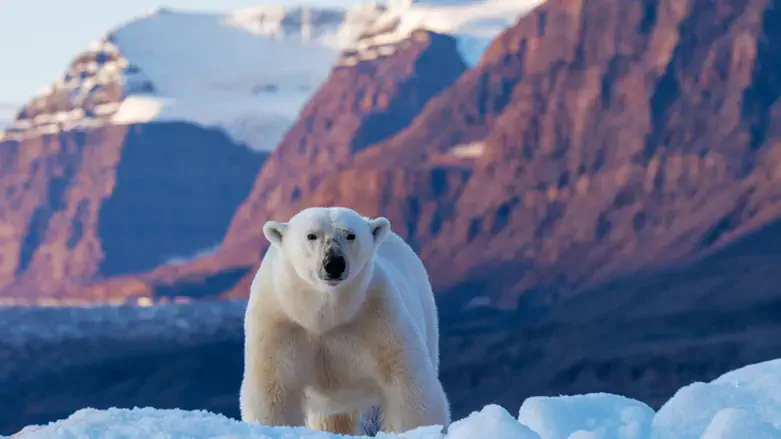
Polar bears represent Svalbard's most iconic residents, with an estimated 3,000 bears inhabiting the archipelago-outnumbering the roughly 2,400 human residents. These apex predators hunt seals along the sea ice edges, particularly during late spring and summer when expedition vessels can navigate the waters. Travelers must maintain respectful distances, with expedition teams establishing safety perimeters at all landing sites.
Beyond polar bears, Svalbard hosts Atlantic walruses hauled out on beaches, Svalbard reindeer grazing the tundra, Arctic foxes hunting across the landscape, and massive seabird colonies occupying cliffsides. The midnight sun illuminates this wildlife spectacle from late April through late August, providing round-the-clock daylight ideal for photography and exploration.
Greenland: Land of Ice and Indigenous Culture
As the world's largest island, Greenland presents travelers with staggering scale-an ice sheet covering 80 percent of its landmass reaching depths exceeding three kilometers. The island's coastline reveals a different character entirely, where settlements cling to rocky shores and immense fjord systems carve deep into the terrain.
East Greenland expedition routes navigate Scoresby Sund, Earth's largest fjord system, where icebergs the size of buildings drift through protected waters. These massive ice formations calve from glaciers actively reshaping the landscape, creating sounds that echo across vast distances. West Greenland itineraries typically explore Disko Bay, where the Ilulissat Icefjord produces some of the Arctic's most prolific iceberg output.
Greenland expeditions also provide opportunities to engage with Inuit communities maintaining connections to traditional ways of life while adapting to modern circumstances. Villages like Ittoqqortoormiit in East Greenland offer insights into Arctic survival strategies developed over millennia, including hunting techniques, clothing traditions, and cultural practices uniquely suited to extreme environments.
Unique Arctic Natural Phenomena
The Arctic's extreme latitude creates natural spectacles unavailable elsewhere, with seasonal light variations producing the region's most celebrated attractions.
The Northern Lights
Aurora borealis displays occur when charged particles from solar winds interact with Earth's magnetic field and atmosphere, creating curtains of green, purple, and pink light dancing across dark skies. The Arctic Circle's position beneath the auroral oval makes it prime viewing territory, particularly during the darker months from September through March.
Greenland expeditions timed for early autumn or late winter maximize northern lights viewing opportunities while still permitting ship navigation. The combination of polar landscapes and auroral displays creates photographic opportunities unavailable during summer's continuous daylight. Many Arctic communities have developed cultural connections to the northern lights, with Inuit traditions offering interpretations of these celestial phenomena.
The Midnight Sun
From late spring through mid-summer, the sun never fully sets across much of the Arctic, instead circling the horizon in a continuous loop. This perpetual daylight fundamentally alters the expedition experience, enabling activities at any hour and bathing landscapes in constantly shifting golden light.
The midnight sun season coincides with peak wildlife activity as Arctic species take advantage of extended feeding opportunities. Birds nest and raise chicks, marine mammals feed intensively in productive waters, and land animals exploit brief summer conditions. Platform operators such as Poseidon Expeditions schedule most Arctic voyages during these midnight sun months, maximizing both wildlife viewing and operational flexibility.
Arctic Wildlife Encounters
Arctic ecosystems support wildlife communities adapted to extreme conditions, with species distributions reflecting ice-dependent habitats and seasonal resource availability.
Key Arctic species include:
- Polar Bears: The Arctic's most iconic predators, hunting seals across sea ice and occasionally encountered during shore excursions or Zodiac cruises in areas like Svalbard and Franz Josef Land.
- Walruses: Massive pinnipeds gathering in groups on beaches and ice floes, using sensitive whiskers to locate mollusks on the seafloor before hauling out to rest.
- Arctic Foxes: Small predators with remarkable cold adaptations, often spotted near seabird colonies where they scavenge eggs and chicks during breeding season.
- Beluga Whales: White cetaceans frequenting Arctic waters, particularly around Svalbard and Greenland, often traveling in pods and producing the vocalizations that earned them the nickname "sea canaries."
- Musk Oxen: Prehistoric-looking herbivores encountered in Greenland and occasionally on Arctic islands, with thick coats and formidable horns providing defense against predators.
Wildlife viewing guidelines established by the Arctic Council's biodiversity conservation programs ensure minimal disturbance while permitting meaningful encounters. These protocols govern approach distances, group sizes, and behavior near sensitive species and habitats.
Planning Your Arctic Expedition
Arctic expeditions typically operate from May through September, with timing influencing both ice conditions and wildlife patterns. Early season voyages encounter more extensive sea ice and courting behaviors, while late season trips feature open water navigation and feeding frenzies before winter's return.
Practical considerations include:
- Destination Selection: Choose between destinations based on primary interests-Svalbard for polar bears, Greenland for icebergs and culture, Franz Josef Land for remoteness and exploration history.
- Seasonal Timing: Summer months (June-August) offer midnight sun and peak wildlife activity, while shoulder seasons (May, September) provide northern lights possibilities with cooler conditions.
- Physical Requirements: Arctic expeditions involve Zodiac operations, shore landings on rocky terrain, and exposure to cold conditions despite summer timing. Adequate fitness and mobility enhance participation opportunities.
- Environmental Conditions: Arctic weather remains unpredictable even during summer, with temperatures typically ranging from near freezing to 10°C (50°F). Wind chill factors significantly impact perceived temperatures.
The Arctic's fragile ecosystems require responsible tourism practices outlined in international Arctic conservation frameworks. Expedition operators committed to environmental stewardship follow established protocols protecting wildlife, minimizing pollution, and supporting scientific research. By choosing responsible Arctic travel programs, visitors contribute to conservation efforts while experiencing one of Earth's most remarkable regions.