
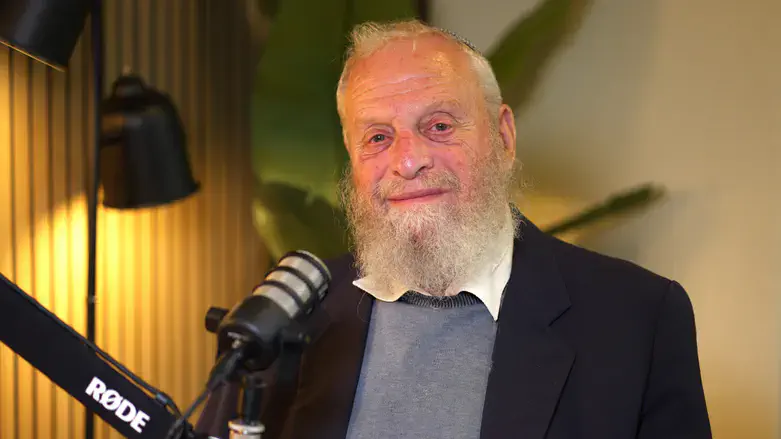
Rabbi Yoel Ben-Nun, one of the founders of Yeshivat Har Etzion, shared personal memories of his interactions with the late Prime Minister Yitzhak Rabin, describing a unique relationship that developed between them around the issue of Jewish residence in Judea and Samaria.
Speaking on a podcast hosted by Dvir Amr on Israel National News-Arutz Sheva, Rabbi Ben-Nun said that during the Oslo period, amid what he described as a deep sense of public threat, he chose a different path from that of mass demonstrations and public protests. Instead, he began sending Rabin personal, handwritten letters.
“I wrote personal letters by hand. I did not demand answers, I waived any expectation of replies. I only asked that he read them - and he agreed,” Rabbi Ben-Nun said.
According to him, he sent approximately 200 handwritten letters to the prime minister. Although he received only three formal, typed responses, he was convinced that Rabin read every letter. “There were times when officers came to me to explain or even apologize, and I didn’t understand why. It turned out that Rabin thought Rabbi Ben-Nun was right and passed my letter on to them,” he recalled.
Rabbi Ben-Nun also described how he and then-Binyamin Regional Council head Pinchas Wallerstein initiated the planning of the Ramallah bypass road. He said the idea received immediate backing from Rabin, along with swift assistance from then-Finance Minister Avraham “Beiga” Shochat. “That’s how the settlement enterprise was saved,” he said.
Addressing Rabin’s position on construction, Rabbi Ben-Nun stressed that the prime minister consistently opposed the removal of Jewish communities. “He told me regarding Gush Katif: if we are not there, Hamas terror will be there. Rabin opposed dismantling any Jewish community - even a single one,” he said.
Toward the end of the interview, Rabbi Ben-Nun commented on the political polarization of recent decades, calling for reconciliation. “Those who hate Bibi are no less guilty than Bibi himself - maybe even more. Supporters of Bibi and opponents of Bibi - this is a crazy, shocking, and dangerous struggle. Come down from your high horses, just come down,” he urged.