

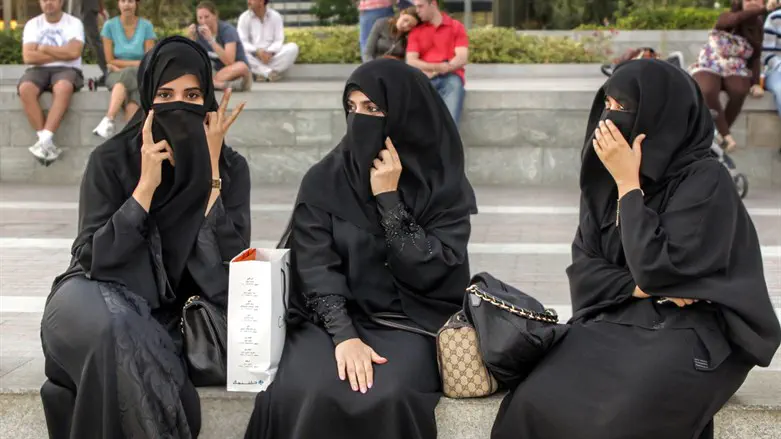
Austrian lawmakers on Thursday voted by a large majority to ban headscarves in schools for girls under 14, AFP reported.
Austria’s conservative-led government, facing strong anti-immigration sentiment, introduced the measure earlier this year, claiming it is meant to protect girls “from oppression.”
The country previously attempted a ban in 2019 for primary schools, but the constitutional court struck it down. This time, the government insists the law is constitutional, though experts caution it singles out Islam and places children in an uncomfortable position.
The law prohibits girls under 14 from wearing headscarves that “cover the head in accordance with Islamic traditions” in all schools. After Thursday’s debate, only the opposition Green party opposed the measure.
The ban, applying to “all forms” of Islamic veils including hijabs and burqas, will take effect in September with the new school year. From February, schools will begin an introductory phase explaining the rules to educators, parents, and students without penalties. Repeated violations will bring fines of 150 to 800 euros. The government estimates 12,000 girls will be affected.
Rights groups argue the measure dictates what women wear rather than granting freedom of choice. Amnesty International Austria condemned the law as “blatant discrimination against Muslim girls” and an “expression of anti-Muslim racism,” warning it risks “fuelling existing prejudices and stereotypes against Muslims.”
Austria’s far-right Freedom Party (FPOe) argued the ban does not go far enough, demanding it extend to all students, teachers, and staff.
Several other countries have already enacted full or partial bans on face coverings.
France in 2010 became the first country to do so, when it approved a law banning the wearing of the burqa or niqab in public spaces by a vote of 335 to 1.
A parliamentary committee in Belgium voted to ban the burqa that year. Italy later drafted a similar law.
In 2018, Denmark approved a ban on garments that cover the face, including Islamic veils such as the niqab or burqa.
In 2021, Swiss voters narrowly backed a ban on full face coverings in public places.
In October, Portugal’s parliament approved a bill banning face veils worn for “gender or religious motives” in most public spaces. The bill stipulates fines ranging from €200 to €4,000 for wearing face veils in public. Additionally, anyone found guilty of coercing another person to wear a face veil could face up to three years in prison.