
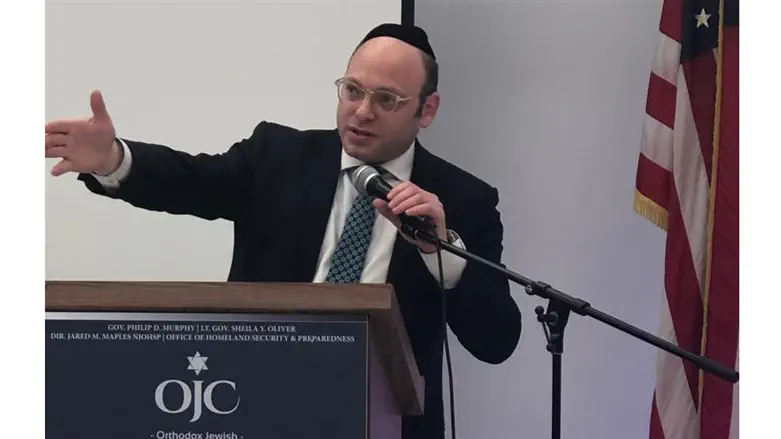
Duvi Honig is founder & CEO, Orthodox Jewish Chamber of Commerce
The recent election results in New York City and Miami should concern every Republican, including President Trump himself. These two very different cities-one long dominated by Democrats, the other increasingly Red-delivered the same unmistakable message: the candidates tied to Trump’s political representatives are losing credibility in communities they should be winning.
This is not because Trump’s message has lost its appeal. If anything, polling shows many Americans resonate with his economic vision, his focus on security, and his willingness to speak plainly. The problem is something far more basic-and far more dangerous for the movement:
The people assigned to represent President Trump in minority, religious, and local communities are not doing the job. And in some cases, they are actively undermining it.
Trump rose to national power by bypassing political elites and speaking directly to everyday Americans. He won because he listened to communities that felt ignored-business owners, faith leaders, working families, immigrant entrepreneurs, and minority voices alike.
But the movement that was built on personal connection is now being constrained by representatives who too often behave like gatekeepers rather than bridge-builders. The consequences showed up plainly in NYC and Miami. Communities that might have been open to supporting Republican candidates instead voted against them-not because of Trump, but because they saw no meaningful engagement from the people claiming to represent him.
Over the past year, I have gathered recordings, witness testimony, written communications, and detailed documentation revealing how certain individuals-appointed as liaisons to minority and faith communities-handled their responsibilities. The picture is troubling.
Repeatedly, community concerns were met not with professionalism or engagement, but with avoidance, silence, and-in the most serious cases-intimidation.
And when I raised these issues directly, some representatives responded with threats-blackmail-style pressure that was later acted upon-in an effort to silence me for speaking up on behalf of the community and others who were ignored.
Across the country, clergy, business owners, civic leaders, and minority advocates have reached out to me in disbelief, asking why their attempts to engage the administration’s outreach office are met with silence. These are leaders who are accustomed to regular communication with government-not people easily surprised. Yet they describe unprecedented difficulty getting even basic responses.
Sometimes the clearest evidence of disconnect comes in the smallest details.
One example: Hanukkah invitations sent out on the Jewish Sabbath, when observant Jews cannot check email or use electronic communication. What should have been a gesture of inclusion instead became a sign of unfamiliarity with the very community the liaison office is supposed to represent.
Another example: the Vice President’s Hanukkah invitations mistakenly labeled as “Christmas Party” invites.
These may seem like clerical errors. But in community relations, these mistakes carry weight. They signal whether representatives understand the people they seek to engage-or whether they are merely checking boxes.
The Republican Party’s problem is not lack of ideas. Many Americans agree with Trump’s policy direction. But they need to see that the people around him respect them, listen to them, and recognize their concerns.
Instead, too many liaisons appear to be using their positions for influence, proximity to power, internal leverage, personal branding, or self-promotion.
The Republican Party-and President Trump himself-now faces a defining choice.
Continue on the current path: allowing ineffective or self-serving individuals to blackmail or intimidate critics, ignore community leaders, fail to return calls, mishandle outreach, and isolate the President from the people who support him.
Or correct course immediately: recognizing this op-ed as a whistleblower alert, not an attack.
President Trump can order a full review of outreach operations, liaison performance, communication failures, gatekeeping abuses, and community engagement strategy.
Removing those who misuse their roles would restore the direct connection that made Trump’s movement powerful. It would send a clear message that the administration stands with the American people-not with intermediaries who hide behind their titles.
Millions still believe in President Trump’s vision for American strength, prosperity, and renewal. But belief must be matched with leadership that respects communities, engages honestly, and listens sincerely.
NYC and Miami were not random outcomes. They were warning signals.
The documentation is clear. The consequences are already visible. The opportunity to correct course still exists.
The only question is whether the Republican Party will act-before more communities turn away not from Trump, but from those who claim to represent him while failing to serve the American people.