


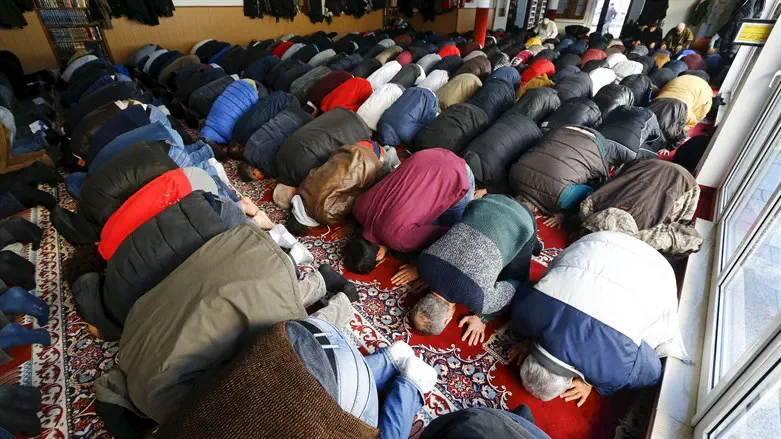
A new analysis published by The Telegraph and based on findings from the Institute for the Impact of Faith in Life (IIFL) indicates that global conflicts - including the ongoing Gaza war - are playing a significant role in drawing Britons toward Islam.
According to the IIFL, which surveyed 2,774 people who had undergone a shift in religious belief, conflict emerged as the most frequently cited factor among those embracing Islam. The report noted that global turmoil, including the Israel-Gaza fighting, has coincided with a visible increase in interest in the Muslim faith. Researchers said the pattern aligns with claims appearing in British media throughout 2023 and 2024.
The IIFL found that 20 percent of new Muslim converts said that global conflict influenced their decision, while 18 percent pointed to mental health challenges. Respondents described a sense of growing injustice in the world and said that ongoing wars shaped their personal search for meaning.
By contrast, those turning to Christianity most often cited bereavement and mental health concerns, while individuals adopting Hindu, Buddhist, or Sikh beliefs commonly linked their shift to emotional wellbeing and, to a lesser degree, conflict.
The IIFL noted that many younger converts to Islam view the world as increasingly unfair and express scepticism toward mainstream media. Researchers said these sentiments appear to reinforce the connection between conversions and events such as the Gaza war.
The study also highlighted a substantial move away from organised religion, reporting that 39 percent of participants transitioned into atheism. Christianity experienced the largest departure rate, with 44 percent leaving the faith - typically not for another religion, but for no religious affiliation.
The IIFL stressed that Britain is not simply becoming more secular. Rather, the country is undergoing a shift from traditional religious institutions toward personalised, practice‑based approaches to faith, reflecting broader changes in British society.