

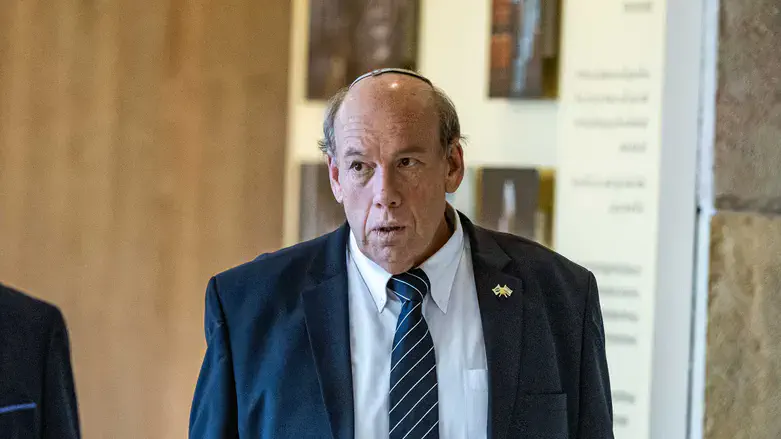
A new report by Israel’s State Comptroller Matanyahu Englman concludes that the state is failing to adequately compensate IDF reservists. According to data he reviewed, one-third of reservists received only the minimum legal daily payment of roughly 311 shekels-equivalent to about 9,300 shekels per month-and 57% of student reservists received this low rate.
Englman published on Tuesday the eighth report in the “Swords of Iron” special audit series, which examines how the state has handled the consequences of the war.
The latest report focuses on the rights of reservists: financial compensation, protection of employment rights, and academic accommodations for students serving in the reserves.
Mass Mobilization With Unprecedented Burden
Between October 2023 and July 2024, approximately 318,000 Israelis were called up for reserve duty.
More than half served over 100 days, and nearly 13% served over 200 days, reflecting an extraordinary and prolonged burden on the reserve system.
Despite this, the comptroller found that many were compensated only at the minimum daily rate of 311 shekels, with young reservists and students disproportionately represented among those receiving minimal pay.
Englman stressed that these groups were often hit hardest economically, sometimes lacking prior income documentation required for proper compensation calculations.
Peripheral Regions Disproportionately Affected
The report highlights a stark geographic imbalance: Golan, Safed, Acre, Be’er Sheva, and Judea and Samaria bore a disproportionately high share of reservists compared to the national average.
Meanwhile, the National Insurance Institute paid an unprecedented 20 billion shekels in reserve-duty compensation during this period-four times the amount paid in comparable periods in previous years.
Yet Englman found major gaps between reservists’ pre-war salaries and the benefits they received, especially among self-employed workers, students, and citizens without stable employment prior to the war.
Students: Unequal Treatment Across Universities
A special section of the report examined reservist students, finding major inconsistencies between universities and colleges.
In some institutions, students received alternative exam dates, academic accommodations, designated scholarships, or academic credit for service-but others provided none of these, creating unequal treatment of “soldier-students.”
Employment Rights and Administrative Failures
The comptroller also exposed failures in workplace rights enforcement:
- Difficulties collecting compensation through employers
- Payment delays
- Lack of awareness among workers regarding their legal rights
He called for significantly improved outreach and clearer information for all reservists.
A Call for Systemic Reform
Englman emphasized that as the reserve corps becomes a more permanent backbone of the IDF, the state must create a sustainable and fair compensation, support, and recognition framework so that civilians can continue serving without long-term economic or academic harm.
“Reservists are the backbone of Israel’s security,” he wrote, “and the state must ensure their rights are protected and that they receive compensation and recognition worthy of their contribution. The report’s findings highlight the urgent need to reassess current policies and legislation to guarantee a fair and lasting response to the needs of the reserve system.”