

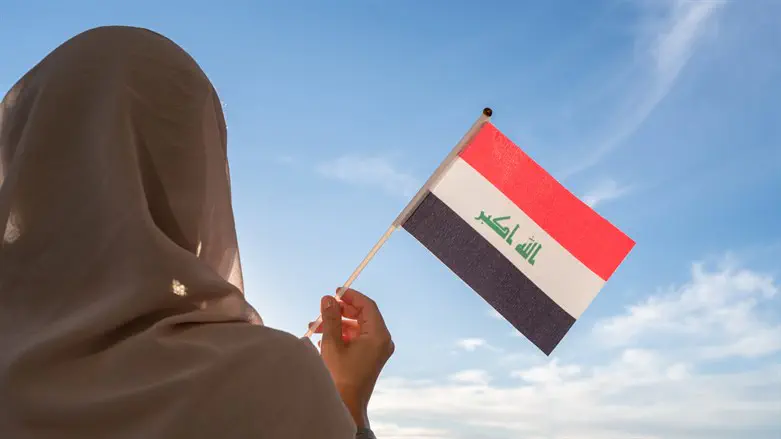
Voting is underway across Iraq on Tuesday as citizens cast their ballots in the country's sixth parliamentary elections since 2003. The general election follows a special voting phase on Sunday, in which members of the security forces, Peshmerga, and Popular Mobilization Forces voted electronically.
The Independent High Electoral Commission confirmed that over 21 million Iraqis are eligible to vote, with 20,063,773 registered for the general ballot. Voting is taking place at 8,703 polling centers and 39,285 stations nationwide.
A total of 7,744 candidates, including 2,248 women, are competing for 329 parliamentary seats. Notably, approximately 40 percent of the candidates are under the age of 40, reflecting growing youth engagement and a desire to challenge longstanding political structures.
Prime Minister Mohammed Shia al-Sudani is seeking a second term. His coalition, which includes several Shiite parties under the "Reconstruction and Development Alliance," is projected to win the most seats but is unlikely to secure a majority. This may lead to extended negotiations among Shiite, Sunni, and Kurdish factions to form a government.
Security is tight nationwide, with forces deployed near polling stations and some roads closed. The Ministry of Defense confirmed that all branches of the military, including the army, interior ministry, Popular Mobilization Forces, and Peshmerga, are engaged in securing the election process. Aerial transport has also been arranged for election materials.
President Abdul Latif Rashid urged widespread participation, describing the elections as essential to correcting past governance issues and forming a capable new government. The Coordination Framework, a major Shiite political alliance, echoed these sentiments, encouraging citizens to vote as a national duty.
However, turnout is expected to be low, continuing a trend seen in recent years. Widespread disenchantment with the political system, high unemployment, poor public services, and entrenched corruption have eroded public trust. In 2021, voter turnout hit a record low of 41 percent, and early projections suggest an even lower rate this year.
A significant absentee from the race is the movement led by Shiite cleric Muqtada al-Sadr, which is boycotting the elections. His bloc previously held considerable sway and still maintains influence through government appointments. Sadr urged his followers to stay home and avoid disrupting the process.
In the Kurdish region, the Kurdistan Democratic Party (KDP), led by Masoud Barzani, seeks a greater share of oil revenue, while the Patriotic Union of Kurdistan (PUK), under Bafel Talabani, is campaigning on strengthening ties with Baghdad.
Sunnis are primarily represented by the "Taqaddum" party led by former parliament speaker Mohammed al-Halbousi, which focuses on rebuilding state institutions and empowering marginalized Sunni communities.
Despite the high number of candidates and political alliances-more than 400 parties and around 140 coalitions-analysts expect the elections to yield little change to Iraq's entrenched political landscape. Final results are anticipated within several days, though the formation of a new government may take months of political bargaining.