

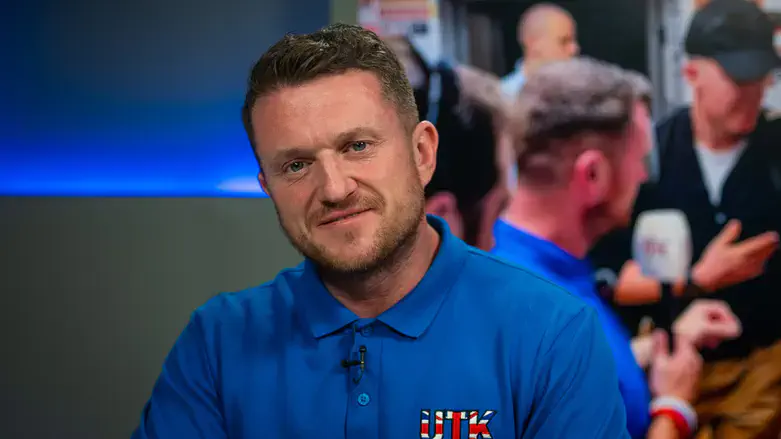
British activist Tommy Robinson has been acquitted of a terror-related charge following a two-day trial at Westminster Magistrates' Court. The charge stemmed from a July 2024 incident in which Robinson, whose legal name is Stephen Yaxley-Lennon, declined to provide the passcode to his mobile phone during a stop at the Channel Tunnel in Folkestone.
Robinson, 42, was en route to Benidorm, Spain, when officers conducted a search under Schedule 7 of the Terrorism Act. The legislation allows police to detain individuals at UK ports to determine potential links to terrorism. Authorities claimed Robinson gave "vague replies" about his travel plans, which they said raised suspicion.
When asked to unlock his iPhone, Robinson refused, citing the presence of "journalistic material," including sensitive information related to vulnerable individuals. According to courtroom testimony, Robinson responded, "Not a chance bruv … you look like c***s so you ain’t having it. It’s my work, I’m a journalist."
Robinson had over £13,000 and €1,900 in cash at the time, and was driving a vehicle not registered in his name. Police also noted that his tickets had been booked the same day. However, defense counsel Alisdair Williamson KC argued that the stop was discriminatory and influenced by Robinson's political profile.
"If MI5 didn’t think that Mr Lennon is a terrorist, what did Pc Thorogood think he was going to learn by asking him about publicly available information?" Williamson asked, describing the encounter as a "fishing expedition" unsupported by substantive evidence.
District Judge Sam Goozee ruled that Robinson was not guilty of failing to comply with the Terrorism Act. The judge acknowledged that Robinson had been informed of his rights and that the law required cooperation, but ultimately found no link between Robinson's actions and the core intent of the legislation.
Canadian journalist Ezra Levant, reporting from the public gallery, offered detailed observations throughout the proceedings. He noted that Robinson was seated alone behind a plastic sound barrier in a separate room, which made communication difficult. Levant also pointed out the unequal treatment of independent journalists, as only establishment media were granted access to the main courtroom, while others, including himself, were confined to the gallery.
Levant reported that Judge Goozee recounted how Robinson had recorded his initial interaction with police until his phone was seized, and that Robinson had his legal rights explained to him. The judge confirmed Robinson had been warned multiple times, consulted with his lawyer during the incident, and otherwise cooperated with questioning. Notably, none of the police inquiries focused on any aspect of terrorism, which Levant highlighted as central to the case.
The acquittal ends a legal process that included a three-week delay in verdict due to Robinson’s pre-planned travel to Israel. No evidence was presented connecting Robinson to terrorist activity.