

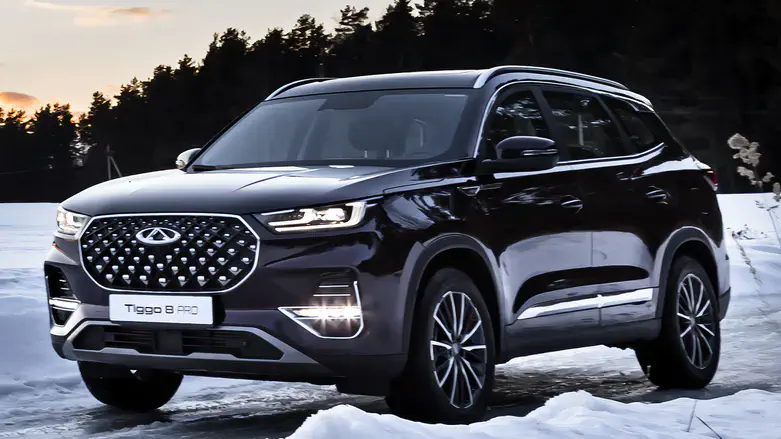
Under orders from the Chief of Staff, the IDF has begun collecting Chinese-made vehicles that were issued to officers, due to real concerns about the potential for sensitive information leaks or surveillance via in-vehicle systems. The IDF estimates that around 700 such vehicles are involved, most of them Chery Tiggo 8 models, distributed to officers with large families due to their seven-seat capacity.
The IDF and Israeli security establishment have identified a concerning trend: a growing influx of smart Chinese vehicles into the Israeli market-particularly near sensitive military zones. As a result, unprecedented restrictions have recently been enacted, most notably a complete ban on the entry of these vehicles into military bases.
The core of the concern lies in the nature of modern Chinese vehicles: smart, electric cars equipped with cameras, microphones, GPS, various sensors, and internet connectivity. While these features undoubtedly enhance the driving experience, from a defense standpoint they represent a disturbing potential for information gathering, tracking sensitive movements, and even transmitting data outside of Israel.
According to media reports, the Chery Tiggo 8 has been specifically banned from entering military bases. Additionally, distribution of Chinese vehicles to IDF officers has been halted pending a thorough review of the associated risks.
This is not just an Israeli issue-other Western nations have already raised red flags about the need to restrict the use of Chinese vehicles or technologies in security-sensitive contexts. In the past, the IDF instructed owners of Chinese-made cars to park them outside of sensitive zones within military installations.
While the IDF has yet to detail its full enforcement plan, defense sources have confirmed that further steps are under consideration. These could include tagging Chinese vehicles, requiring that they be parked outside base perimeters, and obligating soldiers and personnel to report ownership of Chinese-made vehicles.
Beyond the security concerns, the issue of Chinese vehicles poses significant economic questions. These cars-particularly electric models-have gained significant traction in Israel due to their affordability and driving range. Restricting their use in military settings may create a divide between vehicles allowed for general public use and those barred from security zones.
In any case, dealing with Chinese technology is becoming a strategic challenge in Israel-even on the road.