
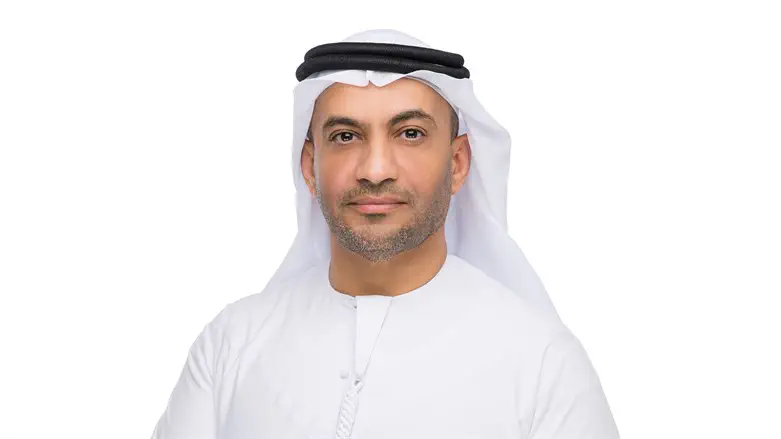
Dr. Salem AlKetbi is a UAE political analyst.
Afghanistan is a land of contradictions. Despite its rugged terrain, difficult roads, and simple lifestyles, it remains both sought after and condemned by major powers.
Though it appears impoverished on the surface, the country is rich in geographic significance, hidden resources, and a history that has turned it into a graveyard for invaders, from Alexander the Great to the Soviet Union and the United States. The restless country does not easily surrender control. Every power attempting to dominate it ends up paying a heavy price.
Bagram Air Base is no ordinary military installation. It is the largest airbase the United States established in Afghanistan since 2001, situated about 50 kilometers north of Kabul. Washington used it as a hub for military operations, a storage site for thousands of troops and equipment, and the command center for the war against the Taliban and Al-Qaeda.
Bagram became associated with sensitive issues such as secret detentions and interrogations, making it both a symbol of American presence and deep resentment toward it. The Taliban seized it in August 2021, marking the definitive end of America’s Afghan venture and highlighting its diminishing power in one of its longest conflicts.
Against this backdrop, on September 20, 2025, President Donald Trump posted on social media in all-caps, “If Afghanistan doesn’t give Bagram Airbase back to those that built it, the United States of America, BAD THINGS ARE GOING TO HAPPEN.”
Trump later told reporters at the White House, “We’re talking now to Afghanistan, and we want it back and we want it back soon, right away. And if they don’t do it, if they don’t do it, you’re going to find out what I’m gonna do.”
This was no idle threat but an effort to reassert American influence after the humiliating 2021 withdrawal and reclaim a lost symbol, even at substantial cost.
The Taliban’s response came across as a clear challenge to the U.S., daring them to pour in billions only to leave defeated and humiliated, abandoning more modern equipment behind. Their tone showed confidence, reflecting their firm control on the ground.
The truth is, the Taliban are no longer merely an armed group hiding in the mountains. They are a de facto government managing ministries, courts, the military, and police. The new reality grants them undeniable authority. While their legitimacy and representation may be questioned, no one can deny that they effectively govern every aspect of Afghan life.
Their ideology is strict theocracy, imposing harsh restrictions on women, education, and the media, rendering them outdated to many. Yet they have shown pragmatism when necessary, forging deals with the Americans in the past that allowed troop withdrawals in exchange for security guarantees. This mix of harsh public rhetoric and cautious behind-the-scenes realism defines their paradox.
Economically, they control far more resources than in the 1990s. They collect taxes and customs duties, benefit from mineral wealth such as copper and lithium, and operate local and regional trade networks. Estimates suggest these revenues reach hundreds of millions annually, enabling the Taliban to pay salaries and stabilize their security and administrative structures. They have moved beyond reliance on donations or informal economies and effectively manage a state’s resources.
Despite their stern public posture, the Taliban understand realpolitik.
Like any rulers, they need money and legitimacy. Money finances the state, ensures payment to fighters and officials, and sustains loyalty networks. Legitimacy opens international channels and lessens isolation.
The Taliban also require security guarantees to protect their leaders from international prosecution and investments in infrastructure to maintain economic stability.
These needs create the conditions for potential negotiations with the United States or others - not because they have changed ideology but because maintaining power demands tools beyond slogans.
Still, if they reject any compromise, the US options will be limited. Economic sanctions, a proven instrument often harsher than weapons, would be the first recourse. Afghanistan’s fragile economy depends heavily on aid and limited trade routes. Tightening these would exacerbate suffering and increase pressure on the Taliban.
Blacklisting leaders, freezing assets, or limiting exports of minerals and resources could coerce them to negotiate. Ironically, the Taliban who publicly oppose foreign intervention might become dependent on economic decisions made in Washington.
In conclusion, President Trump’s determination to reclaim Bagram and the Taliban’s mocking response are more than media theatrics. They reveal a deeper reality.
America aims to restore lost standing through a symbolic base, while the Taliban strive to legitimize their rule amid isolation. Between longstanding rhetoric and future ambitions, the key word is the cost. The Taliban require power and funds to survive, and America pursues its strategic interests.
Ultimately, the question remains: who will pay the price first, and who will get what they want?