

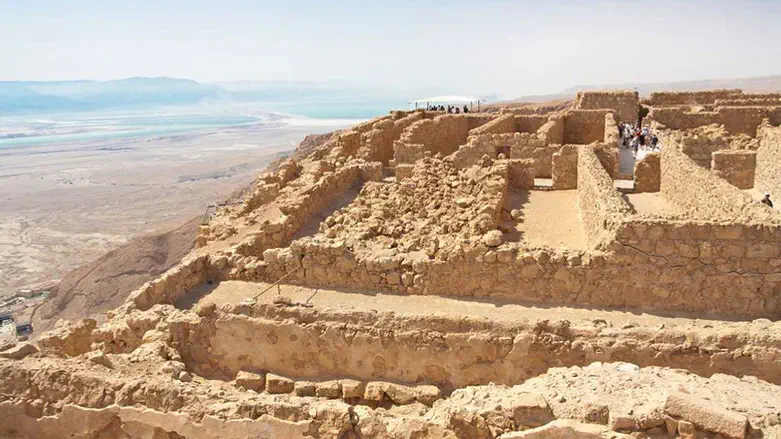
Two years after the October 7th massacre, and the difficult war that followed, Israel is slowly reopening its doors to the world. The return of tourists marks more than the revival of a key economic sector - it symbolizes resilience, renewal, and a nation’s determination to rebuild.
From paralysis to perseverance
In the months following the attacks, Israel’s once-booming tourism industry came to a standstill. Flights were suspended, international groups canceled their trips, and hotels that had been full of pilgrims and vacationers sat nearly empty. For a country that welcomed over four million tourists in 2019 (Israel Central Bureau of Statistics - Tourism Data), the silence was staggering. Yet even in the darkest moments, Israel’s hospitality sector found a way to survive. With tens of thousands of citizens forced to evacuate from border towns and southern communities, hotels across the country transformed overnight into temporary housing centers. Entire families lived in hotel rooms for months - in some cases up to 14 or 18 months - as they awaited the chance to return home.
This shift kept the industry alive. “The hotels became sanctuaries,” one Tel Aviv hotel manager said. “We stopped being a tourism business for a while and became part of the national support system. It kept our staff working and gave families a safe place to stay."
A cautious but determined comeback
As Israel stabilizes, the mood has begun to change. Visitors are slowly returning to the Holy Land, driven by faith, curiosity, and solidarity. The first major uptick in travel came in mid-2025, when international carriers resumed more regular flights and group tour bookings began to rise again. For many Israelis working in hospitality, this comeback is both emotional and economic - a chance to return to the work they love, welcoming guests from around the world.
Noam Matas, from America Israel Tours, says the recovery is gaining pace. “Since the cease-fire deal led by U.S. President Donald Trump, signed on October 9, 2025, we’ve seen a major increase in bookings and a strong wave of interest from both group leaders and individual travelers,” Matas says. “People now have more confidence to travel to Israel."
Matas explains that travelers today are motivated not only by the desire to see Israel’s holy and historical sites but also by a wish to show support. “For many of our clients, visiting Israel now feels personal - it’s an expression of faith, solidarity, and hope."
A new kind of tourism
The post-war tourism experience looks different from before. Many itineraries now include opportunities to meet local residents, visit communities that are rebuilding, or volunteer with organizations supporting displaced families. It’s a quieter, more reflective kind of travel - one focused on connection as much as exploration.
Tour guides across the country echo the sentiment. “Visitors are not just taking pictures anymore,” says one guide from the north. “They want to understand what the people here have been through. They ask questions, they listen, they care."
At the same time, the revival is bringing fresh energy to familiar places. Areas like the Old City of Jerusalem, which had been almost emptied of tourists for over two years, are gradually returning to their original vibrancy. Markets are reopening, and restaurants in Tel Aviv, which had been serving mainly Israelis, will soon welcome international tourists again. Hotels along the Dead Sea are also preparing for a full winter season - a recovery that seemed impossible just a year ago.
Challenges and hope ahead
Despite the momentum, Israel’s tourism sector still faces uncertainty. The cease-fire remains fragile, and the rebound of tourism largely depends on its stability, which is hard to predict given that the counterpart in the deal is a terrorist organization. In addition, airfare costs remain high, and global perceptions of safety take time to shift. Yet the spirit of determination that carried the industry through the war years continues to define it today.
The road forward
The return of tourists to Israel is more than a business story - it’s a story of human resilience. From the quiet courtyards of Jerusalem to the beaches of Eilat, the country hope to soon rediscover its rhythm, one traveler at a time.
As Noam Matas puts it, “The people who have always dreamed of traveling to Israel are ready to go, whether for the first time or again, and Israel is ready to welcome them. After everything that’s happened, it’s not just tourism that is returning; it’s hope."