

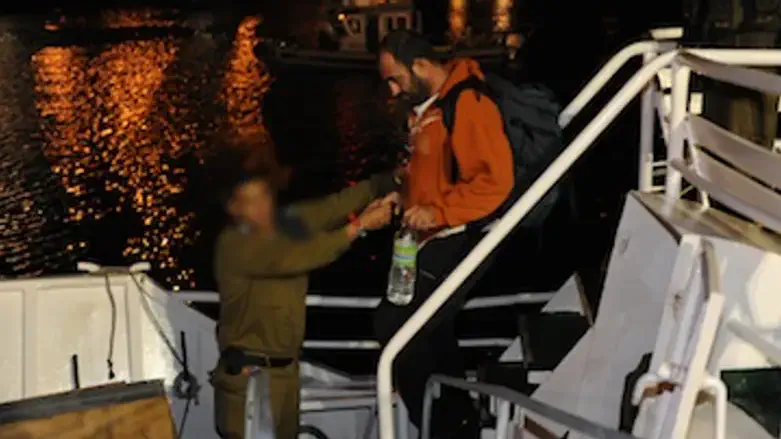
Once again, a so-called “Gaza aid flotilla” has turned out to be less about helping people and more about headlines. For all the chest-thumping about “breaking the siege” and “delivering relief,” Israeli authorities found no humanitarian cargo aboard the intercepted ships. None. Not a single pallet of food, medicine, or medical equipment—just a few hundred activists sailing under the banner of moral superiority.
This wasn’t a rescue mission. It was a public-relations stunt at sea.
Theatrics Over Substance
Even after Israel invited the flotilla to dock in Ashdod—where any genuine aid could have been inspected and transported into Gaza legally—the organizers refused. They even rebuffed a personal appeal from the Pope to do so. That refusal tells you everything: if the goal was to deliver supplies, they’d have accepted. But the real goal was to be intercepted, to get those dramatic photos of Israeli naval vessels closing in, and to proclaim victimhood on social media before the facts caught up.
For activists who trade in moral outrage, it’s the confrontation, not the cargo, that matters.
A Movement Divided Against Itself
This year’s flotilla also exposed the deep fractures inside the “global solidarity” movement. LGBTQ activists who had been involved were pushed aside. Greta Thunberg—once the darling of the protest left—was used for her visibility and then cast adrift, quite literally. So much for solidarity.
It seems inclusion only goes as far as the photo-op. Once the cameras stop rolling, internal politics take over, and those deemed inconvenient are quietly removed from view. When the leadership starts purging queer voices and sidelining allies, what remains isn’t a moral cause—it’s an ideological purity test masquerading as compassion.
Follow the Money — and You Find Hamas
Whenever these “civil society” coalitions appear out of nowhere, fully funded and media-ready, the question must be asked: who pays for all this? Chartering ships, crews, logistics, international media coordination — it doesn’t come cheap.
History provides a clue. Over the years, investigations by Israel and independent monitors have traced financial ties between Gaza-bound flotilla organizers and front groups sympathetic to Hamas. The 2010 Mavi Marmara incident exposed how the Turkish IHH (Humanitarian Relief Foundation), one of the flotilla’s key sponsors, had links to Hamas fundraising networks. Since then, the same ecosystem of “solidarity NGOs” has continued to raise money under humanitarian pretexts, funneling funds through opaque channels that blur the line between aid and terror finance.
Today’s flotilla fits that pattern. The lack of actual aid on board suggests the operation’s real purpose wasn’t relief—it was reputation laundering. By posing as humanitarian activists, the organizers create cover for broader propaganda efforts that indirectly benefit Hamas. Every staged confrontation helps Hamas cast itself as victim and distracts from the regime’s own exploitation of Gaza’s people and resources.
And make no mistake: Hamas thrives on this theater. Every time the world’s cameras focus on “aid ships” being intercepted, Hamas can keep playing the aggrieved underdog—while it taxes Gazans, hijacks relief shipments, and rebuilds rocket stockpiles beneath hospitals and schools.
The Cost of a False Mission
The real tragedy here isn’t that a few publicity seekers got caught lying about their cargo. It’s that they’ve cheapened genuine humanitarian work. Every time a group like this pulls a stunt, it makes it harder for legitimate organizations to do their job. Skepticism rises, donations fall, and the people in Gaza—those who actually need help—are left to pay the price.
There’s also the matter of honesty. Soliciting donations for “aid to Gaza” when no aid exists on board sounds a lot like fraud, even if it’s dressed up in the language of resistance. Will anyone face consequences? Probably not. The international activist community has a short memory and an even shorter attention span when one of its own gets caught cutting moral corners.
A Final Word
The “Global Sumud Flotilla” should stand as a warning: when politics replaces principle, when the photo replaces the purpose, and when slogans replace sincerity, you end up with an empty ship—a perfect metaphor for the moral bankruptcy of those steering it.
The activists can claim whatever they like. But the truth is simple: they didn’t come to help Gaza. They came to use it—and in doing so, they’ve once again helped Hamas more than they’ve helped a single hungry child.
Stephen M. Flatow is President of the Religious Zionists of America (RZA) He is the father of Alisa Flatow, who was murdered in an Iranian-sponsored Palestinian terrorist attack in 1995 and the author of A Father’s Story: My Fight for Justice Against Iranian Terror. Note: The RZA is not affiliated with any American or Israeli political party.